 Admin
AdminBy MindFitGreen Consultant – 25 Years of Experience in Mental Health and Wellness
Depression is more than just feeling sad,it is a complex mental health condition that affects emotional, physical, and cognitive functioning. Understanding how depression impacts mental health is crucial for recognizing its symptoms, identifying potential causes, and pursuing effective treatment options. According to mental health experts, untreated depression can significantly impair daily life, relationships, and overall well-being, highlighting the importance of early intervention and comprehensive care.
Key Symptoms of Depression
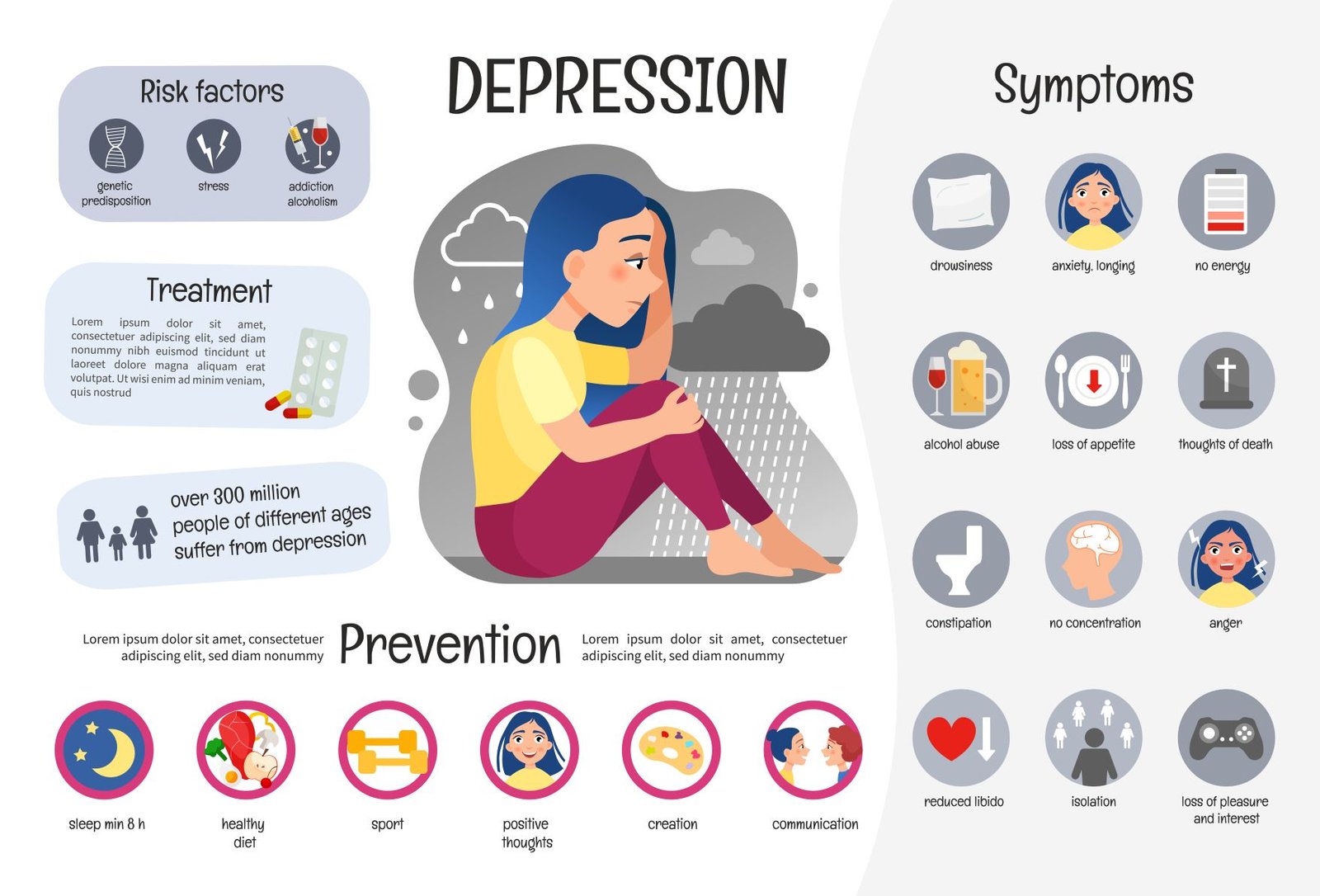
Depression manifests in a variety of ways, ranging from emotional and behavioral changes to physical symptoms. Common indicators include persistent sadness, loss of interest in previously enjoyed activities, fatigue, difficulty concentrating, and disruptions in sleep or appetite. Individuals may also experience feelings of hopelessness, guilt, or irritability, and in severe cases, thoughts of self-harm. Recognizing these symptoms early allows for timely professional evaluation and intervention, which can prevent worsening of the condition and improve long-term outcomes.
Causes and Contributing Factors
The development of depression is influenced by a combination of genetic, biological, environmental, and psychological factors. Genetics may predispose individuals to depression, while imbalances in brain chemicals such as serotonin and dopamine can exacerbate symptoms. Environmental stressors, including trauma, loss, chronic illness, or social isolation, can trigger depressive episodes, and psychological factors such as low self-esteem or persistent negative thought patterns often contribute to the condition.
Effective Treatment Options
Depression is treatable through a range of interventions tailored to the individual’s needs. Evidence-based approaches include psychotherapy, such as cognitive behavioral therapy (CBT) and interpersonal therapy, which help patients address thought patterns and improve coping mechanisms. Medication, including antidepressants, may be prescribed to correct chemical imbalances in the brain. Additionally, lifestyle interventions—regular exercise, balanced nutrition, sufficient sleep, and mindfulness practices—can complement medical and therapeutic treatments. Combining these approaches often yields the most effective and sustainable results for mental health recovery.
Depression is more than sadness; it is a profound disruption to life’s natural rhythm. From my 25 years as a mental health consultant, I have observed how depression impairs emotional well-being, cognitive clarity, energy levels, and the ability to complete even simple daily tasks. Activities such as returning phone calls, preparing meals, or stepping out of the house can feel overwhelmingly burdensome. Anxiety, guilt, and the perception that even small achievements are unattainable compound the challenge.
Depression manifests differently for everyone, but common experiences include lack of motivation, difficulty concentrating, and emotional numbness. After significant life events, loss of a loved one, career transitions, or relocation ,vitality, the energy to engage with the world, often diminishes. When vitality is compromised, the ability to maintain routines, enjoy social interactions, or find meaning in activities is profoundly affected.
Structured routines act as a stabilizing force. By organizing time, establishing consistent habits, and creating a predictable daily rhythm, individuals counteract the destabilizing effects of depression. Integrating purposeful actions into each day, no matter how small, enhances a sense of accomplishment and gradually restores the energy necessary for sustained engagement in life.
The Invisible Burden of Depression and Anxiety
Living with depression often involves an invisible burden. To outsiders, routine activities may appear trivial, yet for those affected, they require significant mental and physical effort. Simple tasks like making lunch or responding to emails can feel insurmountable. Anxiety compounds the challenge, creating persistent fear that is difficult to identify or articulate.
Acknowledging the functional impact of depression is critical. Without intervention, the inability to manage daily responsibilities erodes self-confidence, reduces productivity, and perpetuates emotional distress. Structured strategies such as time-blocking, mindfulness practice, and deliberate task management help individuals regain control. By breaking larger tasks into smaller, manageable steps and scheduling restorative breaks, people optimize time and rebuild confidence.
Understanding the intersection of depression and anxiety clarifies why consistent routines are essential. Routine provides predictability and structure, reducing cognitive burden and mental chaos that exacerbate depressive episodes. Paired with mindfulness, intentional planning, and reflective practices, routines restore emotional stability and enhance resilience.
The Role of Professional Support and Daily Practices
Professional support is a cornerstone of effective depression management. Psychotherapy, counseling, and medication form the foundation of treatment, but these interventions are most effective when combined with optimized daily routines, structured schedules, and purposeful activities. Questions of identity often arise during treatment, such as whether medication restores the authentic self or creates an altered version. Structured routines help individuals reclaim agency, providing a framework for self-care, physical activity, and cognitive engagement.
Recovery is rarely linear. Relapse is common, and resilience is built through sustained engagement with routines, mindfulness practices, and deliberate time management. Evidence from decades of clinical work and consulting highlights that even small, intentional daily habits, walking, journaling, or scheduling social interactions, can significantly improve mood regulation, cognitive performance, and life satisfaction.
Daily practices that integrate movement, creativity, and social interaction provide measurable improvements in emotional regulation. For example, dedicating 15 minutes to stretching or yoga in the morning primes the body and signals a positive start. Pairing this with brief journaling reduces rumination and reinforces intentionality throughout the day.
Differentiating Depression, Grief, and Sadness
Distinguishing depression from grief or temporary sadness is critical. Grief is an adaptive response to loss and typically diminishes over time. Depression is persistent and impairs functioning. Severity does not always correspond to outward appearances; individuals experiencing mild depression may struggle with tasks that seem trivial to others. Recognizing these distinctions informs effective strategies for time optimization, routine implementation, and targeted mental health support.
Interviews with individuals who have navigated depression reveal that resilience is cultivated through deliberate engagement. Those maintaining structured routines, purposeful work, and mindfulness practices demonstrate that functional recovery is achievable even during significant emotional challenges. Optimizing daily routines and integrating restorative activities are essential strategies for long-term mental health maintenance and emotional balance.
Grief and depression can coexist. Structured routines provide anchors during overlapping experiences, helping maintain essential functioning and gradually restore vitality. Prioritizing self-compassion, gentle goal setting, and consistent activity fosters recovery while honoring the natural grieving process.
Holistic and Alternative Approaches to Recovery
Holistic interventions enhance depression recovery alongside traditional treatment. Creative expression, community engagement, occupational therapy, and regular physical activity complement psychotherapy and medication. Structured daily practices such as crafting, yoga, exercise, or meditation provide tangible structure, a sense of accomplishment, and optimized recovery time.
Cultural interventions, including communal rituals, music therapy, and nature-based activities, reinforce engagement and structured routines. Depression management is most effective when medical, psychological, and lifestyle strategies converge within intentional daily practices. Holistic recovery empowers individuals to restore vitality, achieve emotional balance, and develop resilience.
Community gardening programs, for example, allow participants to engage physically and socially while creating a sense of contribution and purpose. Music therapy can reduce anxiety and improve emotional expression. Nature walks, art therapy, and volunteer opportunities provide meaningful engagement and structure, which strengthens routine adherence.
Supporting Vulnerable Populations Through Routine Optimization
Depression disproportionately affects impoverished communities due to systemic barriers to care. Targeted interventions that integrate structured routines, daily engagement, and accessible mental health resources yield significant improvements in well-being. Even modest adjustments such as scheduling self-care, exercise, or social interaction dramatically improve emotional stability and life satisfaction.
Evidence from structured intervention programs demonstrates that six-month targeted protocols improve employment outcomes, family cohesion, and emotional resilience. Routine-based therapy, mindfulness integration, and time optimization benefit mental health recovery across socio-economic groups.
Community involvement is essential. Volunteers and local leaders supporting routine-based interventions through mentorship, workshops, and regular check-ins ensure accountability and guidance. Combining daily routines with social support amplifies mental health benefits and fosters sustainable behavioral change.
Practical Daily Routines for Optimizing Mental Health
Morning Rituals: Begin the day with hydration, light stretching, yoga, or meditation to reduce stress and increase mental clarity. Small practices like deep breathing and journaling prepare the mind and body for the day ahead.
Time-Blocking for Productivity: Divide the day into periods for work, self-care, meals, and social interaction. Time-blocking provides predictability and reduces cognitive overload, making tasks more manageable.
Movement and Exercise: Daily physical activity releases endorphins, improves sleep, and supports cognitive function. Even moderate walking or short workouts enhance mood and reinforce a sense of accomplishment.
Mindful Breaks and Reflection: Short mindfulness breaks reset the mind, reduce anxiety, and enhance focus. Evening reflection encourages gratitude, awareness of progress, and identification of areas for improvement.
Evening Wind-Down: Light reading, journaling, or meditation signals the brain to rest. Consistent sleep schedules improve mood, cognitive clarity, and resilience.
30-Day Structured Routine Example
- Morning: 10-minute meditation, light stretching, and breakfast
- Afternoon: 25-minute walk, water breaks, journaling
- Evening: Reading or reflective journaling, 30-minute wind-down
- Add time-blocked work periods
- Introduce social interaction or support group participation
- Evening: Add light yoga and gratitude journali 3:
- Increase physical activity intensity
- Include skill-building activity or creative expression
- Evening: Review progress, plan next day
- Integrate longer mindfulness sessions
- Schedule community engagement or volunteer work
- Evening: Reflect, journal, meditate, and prepare for restorative sleep
This structured approach gradually increases engagement and activity while respecting mental health needs. Micro-goals and consistent reinforcement foster habit formation and long-term resilience.
Building Resilience Through Acceptance and Structured Habits
Resilience is cultivated by acknowledging depression rather than denying it. Structured routines, time management practices, mindfulness, and purposeful activities restore control, enhance productivity, and stabilize emotions. Accepting depressive experiences while actively engaging in recovery routines equips individuals to tolerate setbacks, sustain vitality, and foster long-term resilience.
Practical examples include morning walks, journaling, reflective meditation, and meaningful social interaction. Micro-actions reinforce a sense of progress and continuity, strengthening resilience over time.
Q1: How do structured routines help with depression?
Structured routines act as a stabilizing framework for individuals experiencing depression. By providing predictability and consistency, routines reduce the mental effort required to plan and make decisions throughout the day. When the day is segmented into manageable blocks for work, self-care, meals, exercise, and leisure, it creates a sense of order and control. This predictability lowers anxiety, decreases feelings of overwhelm, and allows the brain to focus on completing tasks rather than constantly worrying about what comes next. Over time, consistently following a structured routine fosters confidence, reinforces a sense of accomplishment, and stabilizes mood, helping individuals manage the cognitive and emotional challenges associated with depression.
Q2: Can simple daily habits improve mental health?
Yes, small daily habits can have a profound impact on mental health. Practices like walking, journaling, meditating, or maintaining a consistent sleep schedule may seem minor, but when performed consistently, they support neurochemical balance, enhance focus, and improve emotional regulation. For example, a short daily walk can release endorphins, reduce stress, and increase energy levels, while journaling allows for processing emotions and clarifying thoughts. Mindfulness practices help reduce rumination, promoting calm and resilience. By integrating these small habits into daily life, individuals gradually build a foundation for long-term mental wellness and improve their ability to navigate depressive episodes effectively.
Q3: Are professional treatments necessary alongside routines?
Yes, professional interventions remain essential in managing depression, and structured routines serve as a powerful complement. Therapy, counseling, and, when appropriate, medication provide the clinical foundation needed to address underlying mental health issues. However, without structured daily habits, the benefits of professional treatment may not fully translate into daily functioning. Optimized routines help individuals apply therapeutic principles, sustain motivation, and maintain engagement with life responsibilities. By combining treatment with consistent routines, individuals can maximize recovery outcomes, reduce the risk of relapse, and reinforce long-term emotional stability.
Q4: How can I start building effective daily routines?
Building effective daily routines begins with identifying key activities that support mental, physical, and emotional health. Prioritize essentials such as self-care, work or study, physical exercise, nutrition, and social interaction. Once identified, schedule these activities into consistent time blocks, ensuring a balanced mix of productivity, rest, and restorative practices. Integrate mindfulness or brief meditation sessions throughout the day to reduce stress and maintain focus. Tracking progress in a journal or through habit-tracking apps can reinforce accountability and highlight improvements. Start gradually, adding restorative or enjoyable activities incrementally, so that routines become sustainable rather than overwhelming.
Q5: Do holistic approaches really work?
Absolutely. Holistic approaches, when integrated with traditional treatments, provide a well-rounded path to recovery. Creative expression through art, music, or writing allows for emotional release and self-reflection, while community engagement and volunteering foster social support and purpose. Occupational therapy and structured physical activity strengthen cognitive and physical function, creating a sense of accomplishment and momentum. Holistic practices enhance emotional balance, resilience, and vitality, providing a multi-dimensional framework for mental health that complements therapy and medication. Research and clinical experience consistently show that these approaches help maintain long-term wellness by addressing the mind, body, and social environment.
Q6: How can routines help vulnerable populations?
Vulnerable populations, including individuals facing economic hardship or limited access to healthcare, benefit significantly from structured daily routines. Predictable schedules and accessible mental health resources help restore stability and reduce stressors associated with uncertainty. Simple adjustments—like scheduling time for exercise, self-care, or social connection—can improve emotional resilience, strengthen family and community relationships, and create a sense of purpose. Programs that combine routine-based interventions with social support have demonstrated improvements in employment, educational engagement, and overall life satisfaction, highlighting the transformative power of daily structure even in resource-limited settings.
Q7: What if depression relapses?
Relapse is a common part of the recovery journey and should not be seen as failure. Maintaining structured routines, mindfulness practices, and purposeful activities provides a safety net during these challenging periods. By adhering to established routines, individuals can regain a sense of control, stabilize mood more quickly, and prevent prolonged setbacks. It is also helpful to incorporate coping strategies learned in therapy, seek support from mental health professionals or peer networks, and revisit holistic practices to reinforce resilience. Recognizing that relapse is temporary allows individuals to approach recovery with patience and self-compassion.
Q8: How long does it take to see improvement from structured routines?
The timeline for improvement varies based on the individual’s mental health status, consistency of practice, and the types of routines implemented. Many individuals begin to notice positive changes in mood, energy, and focus within a few weeks of consistent engagement with structured daily habits. Over the long term, adhering to these routines strengthens resilience, improves cognitive function, and enhances overall life satisfaction. Patience and incremental progress are key—small, sustainable changes often produce the most meaningful and lasting results.
Q9: Can technology help in maintaining routines?
Yes, technology can be a valuable tool in building and maintaining daily routines. Apps designed for habit tracking, meditation, sleep monitoring, or exercise reminders provide structure, motivation, and accountability. Notifications and progress dashboards help reinforce consistency and celebrate achievements, supporting mental health management. Additionally, online communities and telehealth services can offer peer support and professional guidance, further enhancing the effectiveness of routines. Used thoughtfully, technology amplifies engagement and helps maintain habits even during periods of low motivation or depressive episodes.
Q10: How do I stay motivated to maintain routines during depressive episodes?
Motivation can be challenging during depressive episodes, but focusing on micro-goals, celebrating small victories, and incorporating enjoyable activities can help maintain momentum. Breaking larger tasks into smaller, achievable steps reduces overwhelm and builds confidence. External support from peers, mentors, therapists, or support groups reinforces accountability and encourages adherence. Combining these strategies with routine-based practices, mindfulness, and self-compassion enables individuals to maintain engagement, recover steadily, and sustain mental wellness even when facing emotional lows.
Conclusion: Vitality as the Cornerstone of Mental Health
Depression is not merely a disruption of mood; it fundamentally diminishes vitality, the essential energy that fuels engagement with life, productivity, and emotional well-being. Recovery and long-term resilience are built through a multifaceted approach that combines professional treatment, structured daily routines, holistic interventions, and intentional habits designed to support mental, physical, and emotional health. Each of these elements reinforces the others, creating a comprehensive framework that empowers individuals to reclaim control over their lives and foster sustained well-being.
Structured daily routines act as a backbone for recovery by providing predictability and consistency in an otherwise unpredictable mental landscape. By intentionally organizing time for self-care, exercise, work, social interaction, and restorative practices, individuals can restore a sense of accomplishment and gradually rebuild energy and motivation. Holistic interventions such as mindfulness, creative expression, community engagement, and physical activity complement traditional treatments by addressing the mind, body, and social dimensions of wellness. This integration ensures that recovery is not only symptom-focused but also life-enhancing, promoting emotional balance, clarity, and resilience.
Mental health flourishes when deliberate routines, professional guidance, and holistic care converge. By transforming daily habits into structured opportunities for growth and self-care, individuals develop the resilience necessary to manage setbacks, reduce anxiety, and navigate the challenges of depression. Over time, these intentional practices restore vitality, enhance emotional regulation, and foster a sense of purpose, allowing individuals to engage fully with life.
Ultimately, reclaiming vitality is about more than symptom management; it is about cultivating the energy, focus, and resilience to live a fulfilling, meaningful life. By optimizing daily routines, embracing holistic strategies, and maintaining mindful engagement with each moment, individuals can transform the challenges of depression into opportunities for growth, self-discovery, and renewed vitality. Mental health is not just the absence of illness; it is the presence of energy, purpose, and the sustained ability to thrive.


 Admin
Admin