 Admin
AdminWhat Is Depression?
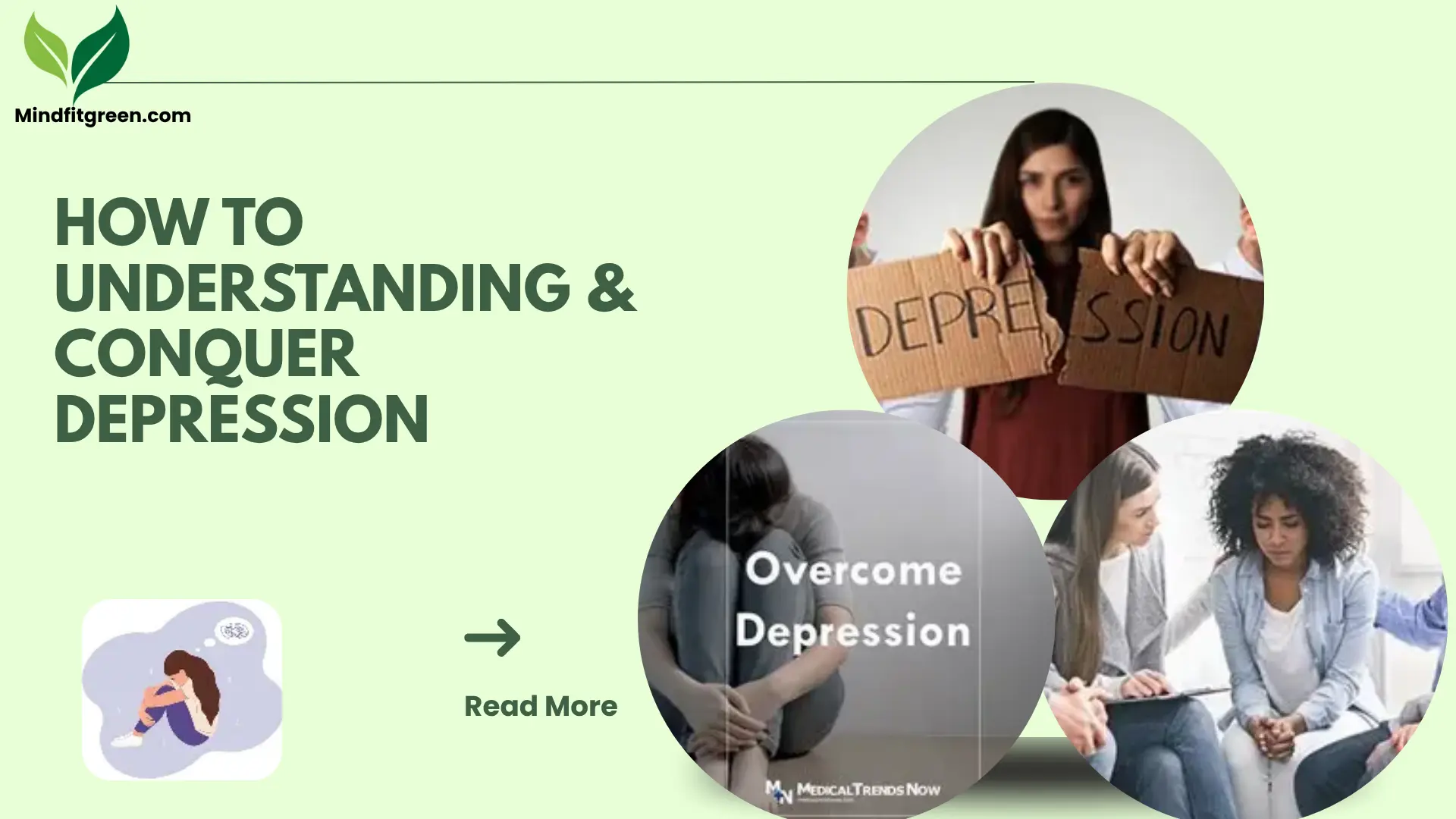
Depression is far more than just feeling sad or going through a rough patch, it is a complex mental health disorder that affects how a person thinks, feels, and functions on a daily basis. Medically known as major depressive disorder (MDD), depression impacts millions of people worldwide and is one of the leading causes of disability according to the World Health Organization (WHO). For many, depression interferes with work, relationships, sleep, and overall quality of life. Understanding what depression truly is can help reduce stigma and encourage those affected to seek proper treatment and support.
At its core, depression is a mood disorder characterized by persistent feelings of sadness, emptiness, or hopelessness that last for at least two weeks or longer. Unlike ordinary sadness, which tends to resolve with time or a change in circumstances, clinical depression does not simply fade away. It is a condition influenced by a combination of biological, psychological, and environmental factors, including genetic predisposition, chronic stress, hormonal imbalances, and traumatic life events. Many experts also highlight how changes in brain chemistry, particularly in neurotransmitters like serotonin, dopamine, and norepinephrine, play a major role in the onset and persistence of depressive symptoms.
Common symptoms of depression
Common symptoms of depression include a lack of interest or pleasure in once-enjoyable activities (known as anhedonia), significant changes in appetite or weight, sleep disturbances, fatigue, difficulty concentrating, and feelings of worthlessness or guilt. In severe cases, depression can lead to thoughts of self-harm or suicide, making early detection and treatment crucial. While symptoms may vary from person to person, depression’s impact is always profound, it can affect both mental and physical health, contributing to weakened immunity, cardiovascular issues, and chronic pain.
The good news is that depression is treatable, and recovery is possible with the right support and approach. Modern treatments include psychotherapy (such as cognitive behavioral therapy or CBT), antidepressant medications, lifestyle interventions, and alternative therapies like mindfulness, yoga, and nutritional support. Many people also benefit from holistic approaches that integrate mental wellness, physical fitness, and green living, aligning perfectly with MindFitGreen’s mission to promote total-body well-being. Exercise, balanced nutrition, time spent in nature, and sustainable lifestyle choices have all been shown to support brain health and reduce depressive symptoms.
Ultimately, understanding depression begins with compassion, recognizing that it is a legitimate medical condition, not a personal weakness. Talking openly about mental health, supporting those in need, and taking proactive steps toward self-care are essential in creating a healthier, more resilient society. Whether you or someone you know is struggling, remember that help is available, and healing is possible. Depression does not define a person, it is just one part of the journey toward renewed mental and emotional balance.
Recognizing the Signs of Depression
Recognizing the signs of depression is one of the most important steps toward healing and recovery. Depression often begins quietly, with subtle emotional or physical changes that may go unnoticed or mistaken for stress, fatigue, or burnout. Over time, these symptoms can grow stronger, affecting how a person thinks, feels, and behaves. Understanding these signs helps individuals, families, and communities take action early and seek professional help before the condition worsens.
One of the most common early indicators of depression is a persistent feeling of sadness, emptiness, or hopelessness that does not improve with time. People may describe feeling emotionally numb or disconnected from life. Simple tasks that once felt easy, such as getting out of bed, going to work, or engaging in hobbies, can suddenly feel overwhelming. Many also experience a loss of interest or pleasure in activities they once enjoyed, including social events, exercise, or time with loved ones.
Depression can also manifest through significant changes in sleep patterns, including insomnia, restless nights, or sleeping far more than usual. Appetite shifts are another frequent sign, with some people losing interest in food and others turning to overeating for comfort. These changes often lead to unintentional weight loss or gain, creating further physical and emotional strain. Fatigue and low energy are also key warning signs, making it hard to focus, think clearly, or complete daily responsibilities.
Emotional symptoms
Emotional symptoms of depression often include irritability, anxiety, guilt, or feelings of worthlessness. People may become more self-critical or experience a sense of failure even when they have done nothing wrong. Negative thoughts can take hold easily, leading to a distorted self-image and a sense of hopelessness about the future. In more severe cases, individuals may have thoughts of self-harm or suicide, which always require immediate professional support and intervention.
Physical health can also be affected. Many people with depression report unexplained aches and pains, headaches, digestive problems, or muscle tension. The mind and body are deeply connected, and chronic emotional distress can weaken the immune system, increase inflammation, and raise the risk of long-term health conditions such as heart disease or diabetes. These physical symptoms often improve once depression is properly treated, showing how closely emotional wellness and physical well-being are linked.
Recognizing these signs early allows for faster treatment and better outcomes. If you or someone you know is showing signs of depression, it is important to seek help from a qualified healthcare provider. Talking to a doctor, therapist, or counselor can lead to accurate diagnosis and effective care. Support from family, friends, and community resources can also make a significant difference. At MindFitGreen, we emphasize that mental health awareness, open communication, and holistic lifestyle choices are essential in promoting recovery and long-term wellness.
What Really Causes Depression?
Depression is far more than occasional sadness or a passing phase of low mood , it’s a serious and complex mental health disorder that affects millions of people worldwide. As someone who has spent over two decades reporting on health, neuroscience, and psychology, I’ve seen how depression continues to challenge experts, families, and individuals alike. The question remains: what really causes depression? The truth lies in the intricate interplay between biological, psychological, and environmental factors all influencing how our brains function and how we experience life.
1. The Biological Foundation: How Brain Chemistry and Genetics Shape Depression
Scientific research consistently points to biological causes as one of the key factors behind depression. Neurotransmitters , the brain’s chemical messengers, such as serotonin, dopamine, and norepinephrine ,play a critical role in regulating mood, motivation, and emotional balance. When these chemicals fall out of balance, it can trigger symptoms like sadness, fatigue, and hopelessness.
In addition, genetics have a profound influence on depression risk. Studies show that if a parent or sibling has suffered from major depressive disorder, the likelihood of developing it increases significantly. This doesn’t mean that depression is purely inherited, but rather that certain people may have a genetic predisposition that makes them more vulnerable to environmental stressors. Advances in neuroscience have also revealed that structural and functional changes in the brain , especially in the hippocampus, amygdala, and prefrontal cortex , are linked to chronic depression.
2. Psychological Triggers: How Thoughts, Emotions, and Personality Contribute
Our thoughts and emotional responses play a vital role in mental health. People with depression often struggle with negative thinking patterns, low self-esteem, and chronic worry. Cognitive psychology refers to this as “cognitive distortion” , a habitual way of interpreting life’s events in a pessimistic or self-defeating manner.
Furthermore, personality traits like perfectionism, hypersensitivity, or a strong sense of guilt can increase one’s vulnerability to depression. Traumatic experiences, unresolved grief, and ongoing stress can deepen emotional wounds that resurface later as depressive episodes. Understanding these psychological elements is essential for both prevention and recovery , because mental health is as much about how we think as it is about how our brains function.
3. Environmental and Lifestyle Factors: The Hidden Influencers of Modern Life
The world we live in today adds unique pressures that can intensify depression. Chronic stress, economic instability, relationship breakdowns, and exposure to trauma are well-known environmental contributors. The digital era has also introduced new forms of stress , constant social media comparison, lack of sleep, and reduced physical activity , all of which have been strongly correlated with declining mental well-being.
Diet and exercise are also central to this conversation. Poor nutrition, lack of omega-3 fatty acids, and deficiencies in vitamins like B12 and D can influence mood regulation. On the other hand, regular physical activity boosts endorphin levels and supports brain health. The connection between gut health and mental health, often called the gut-brain axis, is now one of the most exciting frontiers in depression research.
4. Hormonal and Medical Conditions That Mimic or Trigger Depression
Depression can also be secondary to other medical or hormonal conditions. Thyroid disorders, diabetes, chronic pain, and hormonal changes such as postpartum shifts or menopause can all lead to depressive symptoms. For women, fluctuations in estrogen and progesterone significantly impact mood, while in men, low testosterone levels can contribute to emotional instability and fatigue.
Medications for other health conditions , like corticosteroids, blood pressure drugs, or even birth control pills ,can also have mood-related side effects. This underlines the importance of a holistic health assessment for anyone experiencing depression, to identify potential physiological causes that might be overlooked.
5. The Social Connection Factor: Why Human Bonds Matter
Humans are social beings, and isolation is one of the strongest predictors of depression. Lack of meaningful relationships, poor communication, or living in environments where emotional expression is discouraged can deepen feelings of loneliness. Research has shown that social support networks , friends, family, community , serve as powerful buffers against depression. On the other hand, toxic relationships, bullying, and workplace stress can worsen emotional resilience and self-worth.
The modern mental health crisis cannot be separated from the erosion of community ties. Building connection and empathy ,both online and offline , is essential to combating depression in a fast-paced, disconnected world.
6. Trauma and Early Life Experiences: How the Past Shapes the Present
Early childhood trauma, neglect, or abuse can alter brain development and stress response systems, making individuals more susceptible to depression later in life. Psychologists often emphasize the Adverse Childhood Experiences (ACE) study, which found a direct link between childhood trauma and adult mental health disorders. The body keeps the score, as renowned psychiatrist Dr. Bessel van der Kolk describes , meaning unhealed emotional pain from early life often manifests as mental and physical illness in adulthood.
Healing from depression often requires not just medication, but also trauma-informed therapy , addressing those deep-rooted emotional scars and helping the mind rebuild trust, safety, and resilience.
7. The Integrated View: Depression as a Multi-Factorial Condition
There is no single cause of depression , it’s the result of overlapping biological, psychological, social, and environmental factors. That’s why the most effective treatment approaches are integrative, combining psychotherapy, medication, lifestyle changes, mindfulness, and community support. Depression is not a weakness; it’s a signal , the body and mind’s way of saying that something needs care, attention, and healing
Natural Ways to Overcome Depression
Depression can feel like a heavy fog that clouds your thoughts, drains your energy, and makes even simple tasks feel impossible. While clinical depression often requires professional treatment, including therapy or medication, there are powerful natural ways to overcome depression that complement traditional approaches and support long-term recovery. Over the past 25 years reporting on mental health and holistic wellness, I’ve seen how integrating lifestyle changes, nutrition, physical activity, and mindfulness practices can transform lives. Healing depression naturally is about nurturing the body, balancing the mind, and rebuilding emotional resilience.
1. Nourish Your Brain with a Mood-Boosting Diet
What we eat profoundly affects how we feel. A diet rich in whole, unprocessed foods supports optimal brain function and helps stabilize mood. Nutritional psychiatry research has shown that deficiencies in omega-3 fatty acids, vitamin D, folate, magnesium, and B vitamins can increase the risk of depression.
Incorporating foods like fatty fish such as salmon, sardines, and mackerel helps boost omega-3s that enhance brain health. Leafy greens like spinach, kale, and Swiss chard are packed with folate and magnesium to reduce inflammation. Whole grains such as oats, quinoa, and brown rice balance blood sugar levels and support steady energy. Fermented foods like yogurt, kefir, kimchi, and sauerkraut promote gut health, which directly influences mood through the gut-brain axis.
Avoid excessive caffeine, sugar, alcohol, and processed foods, as these can worsen anxiety and cause energy crashes. A balanced diet is not just about physical health; it’s a cornerstone of emotional stability and mental clarity.
2. Move Your Body as a Natural Antidepressant
One of the most effective natural treatments for depression is regular physical activity. Exercise increases serotonin, dopamine, and endorphin levels, the brain’s “feel-good” chemicals that improve mood and motivation. It also enhances sleep quality and reduces stress hormones like cortisol.
Even moderate activities such as walking, yoga, cycling, or swimming can make a remarkable difference. The goal is consistency, not intensity. Research shows that 30 minutes of movement five times a week can be as effective as some antidepressant medications for mild to moderate depression. If motivation feels impossible, start small by taking a 10-minute walk outdoors, doing gentle stretching, or dancing to your favorite music. Movement reconnects you to your body and reignites your sense of vitality.
3. Practice Mindfulness and Meditation
The mind is both the source of pain and the key to healing. Mindfulness meditation helps you observe your thoughts without judgment, reducing rumination and negative self-talk, two common patterns in depression. Practices like deep breathing, guided meditation, or simply being aware of your surroundings can calm the nervous system and promote emotional regulation.
Mindfulness-Based Cognitive Therapy (MBCT), yoga, and grounding exercises are proven to reduce relapse rates in people recovering from depression. Setting aside just 10–15 minutes daily for quiet reflection or meditation can transform how you respond to stress and emotions.
4. Sleep: The Foundation of Mental Health
Poor sleep and depression often reinforce each other. Chronic sleep deprivation alters mood-regulating brain chemicals and increases irritability and anxiety. Aim for seven to nine hours of quality sleep each night by maintaining a consistent bedtime, limiting screen time before bed, and creating a calm sleep environment.
Natural sleep aids like magnesium, chamomile tea, lavender oil, or meditation before bed can also help regulate sleep cycles. Prioritizing rest is an act of self-care that supports emotional recovery.
5. Reconnect with Nature
Spending time outdoors can be profoundly healing. Sunlight exposure boosts vitamin D levels and increases serotonin production. Being in nature, whether walking in a park, tending a garden, or hiking, helps reduce stress, lowers blood pressure, and promotes a sense of calm.
The Japanese practice of Shinrin-yoku, or “forest bathing,” has been scientifically shown to lower cortisol and improve overall mood. When you feel disconnected, stepping outside can remind you of life’s beauty and balance.
6. Build Supportive Social Connections
Depression thrives in isolation. Building meaningful relationships, whether with friends, family, or your local community, can dramatically improve mental health. Sharing your struggles with someone who listens without judgment helps lighten emotional burdens and fosters belonging.
Joining a support group, volunteering, or participating in community activities can help build confidence and strengthen connection. Acts of kindness and compassion release oxytocin, the bonding hormone, which counteracts feelings of loneliness and despair.
7. Limit Stress and Create Healthy Routines
Chronic stress can deplete the body’s energy reserves and worsen depression. Creating structure and daily routines brings stability and control. Simple relaxation techniques such as deep breathing, journaling, gratitude practice, or listening to calming music help calm the mind and strengthen resilience.
Simplify your schedule, prioritize self-care, and learn to say no to unnecessary obligations. Protecting your peace is essential for maintaining mental wellness.
8. Natural Supplements That Support Mood
Certain supplements can enhance mood and reduce depressive symptoms naturally. Always consult a healthcare professional before starting any supplement, but studies suggest that St. John’s Wort may relieve mild to moderate depression. Omega-3 fatty acids support brain health and emotional balance, while SAM-e (S-Adenosyl Methionine) promotes neurotransmitter function. Vitamin D and B-complex vitamins are also vital for brain energy and mood regulation.
While these are not substitutes for therapy, they can complement a holistic recovery plan when monitored carefully.
9. Rediscover Purpose and Joy
Depression often strips away a sense of meaning. Reconnecting with your passions, such as art, music, writing, gardening, or helping others, can reignite your sense of purpose. Setting small, achievable goals and celebrating progress builds self-confidence and shifts focus from pain to growth.
Purpose fuels resilience. When you reconnect with what gives life meaning, the road to recovery becomes clearer and more hopeful.
10. Seek Professional Guidance When Needed
Natural approaches are powerful, but if your symptoms persist, it’s crucial to seek help from a mental health professional. Combining natural methods with therapy, such as Cognitive Behavioral Therapy (CBT) or Acceptance and Commitment Therapy (ACT), can lead to the best outcomes. Healing from depression is not a sign of weakness; it’s a journey of courage and self-discovery.
FAQ: How to Understand and Conquer Depression
1. What is depression and how does it affect mental health?
Depression is a serious mental health disorder that impacts how you think, feel, and function daily. It goes beyond temporary sadness, leading to persistent feelings of emptiness, fatigue, and loss of interest in activities. It affects brain chemistry, hormone balance, and emotional stability, making it essential to seek help and adopt holistic coping strategies.
2. What are the main causes of depression?
Depression results from a combination of biological, psychological, and environmental factors. Imbalances in brain chemicals like serotonin and dopamine, genetic predisposition, chronic stress, trauma, and unhealthy lifestyle habits all contribute to its development. Understanding these root causes helps tailor effective treatment and prevention approaches.
3. Can depression be treated naturally?
Yes. Natural remedies such as regular exercise, a nutrient-rich diet, mindfulness meditation, sufficient sleep, and connecting with nature can help manage depression symptoms. Supplements like omega-3 fatty acids, St. John’s Wort, and vitamin D may also support mood balance. However, it’s important to consult a healthcare professional before using any natural or alternative treatments.
4. What are the early signs and symptoms of depression?
Common early signs include persistent sadness, low motivation, fatigue, sleep problems, appetite changes, difficulty concentrating, and feelings of hopelessness. Recognizing these symptoms early allows for quicker intervention and recovery.
5. How can mindfulness help with depression?
Mindfulness helps you become aware of negative thought patterns and teaches you to observe emotions without judgment. This reduces rumination, enhances emotional control, and promotes calmness. Regular meditation and breathing exercises are powerful tools for managing stress and improving mental well-being.
6. What lifestyle changes can help conquer depression?
Adopting a consistent daily routine, eating balanced meals, exercising regularly, practicing gratitude, and maintaining social connections are key steps. Reducing screen time, managing stress, and prioritizing sleep can also support emotional stability and overall wellness.
7. When should I seek professional help for depression?
If you’ve experienced persistent sadness, hopelessness, or loss of interest in daily activities for more than two weeks, or if depression is affecting your work, relationships, or self-care, it’s time to seek professional help. Therapies such as Cognitive Behavioral Therapy (CBT), medication, and holistic interventions can greatly improve quality of life.
8. Can depression ever fully go away?
Yes, many people recover completely from depression with the right combination of professional care, self-help strategies, and lifestyle adjustments. Recovery is a gradual process that requires patience, self-compassion, and ongoing mental health maintenance.
Conclusion
Understanding and conquering depression begins with awareness, compassion, and the willingness to take small, consistent steps toward healing. Depression is not a personal failure or weakness; it is a complex condition that affects both the mind and body. By combining professional guidance with natural and holistic approaches,such as proper nutrition, regular exercise, mindfulness, and emotional support, you can gradually restore balance, clarity, and hope.
Healing from depression is a journey, not a race. Each effort you make to care for your body and mind moves you closer to recovery. Surround yourself with supportive people, nurture positive habits, and remember that progress, no matter how small, is still progress. With patience and persistence, you can reclaim your mental strength and rediscover a life filled with purpose and peace.

 Admin
Admin