 Admin
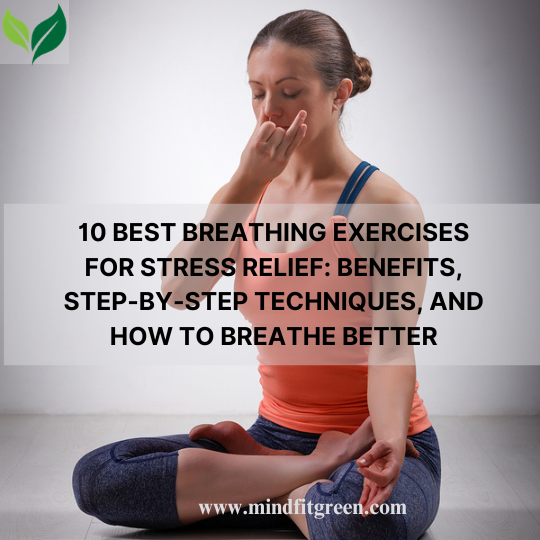
AdminThe best breathing exercises for stress relief can help you feel calmer, breathe better, and improve your overall well-being in just a few minutes each day. Although breathing happens naturally, many people develop shallow breathing habits that may increase stress, anxiety, muscle tension, and fatigue. Fortunately, learning simple breathing techniques can help you relax your mind, support healthy lung function, and improve your body’s response to everyday challenges.
Whether you’re dealing with a busy schedule, struggling with anxiety, or looking for a natural way to improve your focus, breathing exercises offer an easy and effective solution. They require no expensive equipment and can be practiced almost anywhere. In this guide, you’ll discover the benefits of breathing exercises, learn 10 simple breathing techniques for stress relief, and find practical tips to help you breathe better every day. By the end of this article, you’ll have the knowledge and confidence to make mindful breathing part of your daily wellness routine.
What Are Breathing Exercises?
Breathing exercises are intentional techniques that help you control the speed, depth, and rhythm of your breathing. Instead of allowing stress to dictate your breathing pattern, these exercises encourage slow, steady breaths that promote relaxation.
When you breathe deeply, your lungs expand more fully, allowing your body to take in more oxygen and remove carbon dioxide efficiently. As a result, your heart rate may slow, your muscles can relax, and your nervous system begins to shift into a calmer state.
Many healthcare professionals recommend breathing exercises as part of a healthy lifestyle because they are simple, safe, and suitable for most people.
Why Are Breathing Exercises Important?
Your breathing affects far more than your lungs. It influences your heart, brain, muscles, and emotional well-being.
Practicing breathing exercises regularly may help:
- Reduce stress levels
- Ease feelings of anxiety
- Improve concentration
- Promote better sleep
- Support healthy lung function
- Encourage relaxation
- Lower muscle tension
- Improve mindfulness
Furthermore, breathing exercises give you a healthy way to pause during stressful situations. Even a few minutes of controlled breathing may help you regain focus and emotional balance.
10 Best Breathing Exercises for Stress Relief
1. Diaphragmatic Breathing (Belly Breathing)
Diaphragmatic breathing, also called belly breathing, encourages you to breathe deeply using your diaphragm instead of taking short, shallow breaths from your chest.
How to do it:
- Sit or lie down comfortably.
- Place one hand on your chest and the other on your stomach.
- Inhale slowly through your nose.
- Allow your stomach to rise while keeping your chest relatively still.
- Exhale gently through your mouth.
- Repeat for five to ten minutes.
This technique helps improve oxygen exchange while encouraging relaxation.
2. Pursed-Lip Breathing
Pursed-lip breathing slows your breathing rate and helps your lungs work more efficiently.
Steps:
- Inhale slowly through your nose for about two seconds.
- Purse your lips as though you’re about to whistle.
- Exhale slowly through your pursed lips for about four seconds.
- Continue for several minutes.
Many people find this exercise especially helpful after physical activity or whenever they feel short of breath.
3. Box Breathing
Box breathing is popular among athletes, first responders, and professionals who need to remain calm under pressure.
How to practice:
- Inhale through your nose for four seconds.
- Hold your breath for four seconds.
- Exhale through your mouth for four seconds.
- Hold again for four seconds.
- Repeat the cycle several times.
Because the timing remains consistent, this technique can improve focus while reducing stress.
4. Equal Breathing
Equal breathing involves making each inhale and exhale the same length.
Try this technique:
- Inhale slowly through your nose while counting to four.
- Exhale gently through your nose while counting to four.
- Continue for five to ten minutes.
As your breathing becomes more regular, your mind often follows.
5. Alternate Nostril Breathing
This traditional breathing practice encourages balance and concentration.
How to perform it:
- Sit comfortably.
- Close your right nostril with your thumb.
- Inhale through your left nostril.
- Close your left nostril.
- Release your right nostril and exhale.
- Inhale through your right nostril.
- Switch sides again.
- Continue for several minutes.
Many people enjoy this exercise before meditation or bedtime because it promotes a sense of calm.
6. Resonant Breathing
Resonant breathing, sometimes called coherent breathing, focuses on taking slow, steady breaths at a comfortable rhythm. Many people find that breathing about five to six times per minute helps them feel calmer and more relaxed.
How to practice:
- Sit in a comfortable position.
- Inhale slowly through your nose for about five seconds.
- Exhale gently through your nose or mouth for about five seconds.
- Continue for five to ten minutes.
Practicing this technique regularly may help reduce stress while improving your awareness of each breath.
7. Deep Breathing
Deep breathing is one of the easiest techniques for beginners. It encourages your lungs to expand fully and helps your body receive more oxygen.
Steps:
- Sit or stand comfortably with your shoulders relaxed.
- Breathe in slowly through your nose until your lungs feel comfortably full.
- Pause briefly.
- Exhale slowly through your mouth.
- Repeat for several minutes.
You can use this exercise before an important meeting, during a stressful moment, or anytime you need to relax.
8. Lion’s Breath
Lion’s breath is a playful breathing exercise often used in yoga. It may help release facial tension and encourage relaxation.
How to do it:
- Sit comfortably.
- Inhale deeply through your nose.
- Open your mouth wide.
- Stick out your tongue toward your chin.
- Exhale forcefully while making a gentle “ha” sound.
- Repeat five to ten times.
Although it may feel unusual at first, many people find it refreshing and energizing.
9. Humming Bee Breath
Humming Bee Breath involves making a soft humming sound as you exhale. The gentle vibration may help calm the mind and improve focus.
Steps:
- Sit quietly with your eyes closed.
- Inhale slowly through your nose.
- Exhale while making a steady humming sound.
- Continue for several breaths.
This technique can be especially helpful when you want to relax after a busy day.
10. Breath Focus Technique
The breath focus technique combines slow breathing with positive mental imagery or calming words. It encourages mindfulness while helping you stay present.
How to practice:
- Sit comfortably in a quiet place.
- Close your eyes.
- Take slow, deep breaths.
- As you inhale, think of a calming word such as “peace” or “calm.”
- As you exhale, imagine releasing stress and tension.
- Continue for five to ten minutes.
With regular practice, this exercise can help improve emotional balance and mental clarity.
How to Get the Most Out of Breathing Exercises
Breathing exercises work best when you practice them consistently rather than only during stressful moments.
To build a healthy habit:
- Practice at the same time each day.
- Choose a quiet and comfortable location.
- Wear loose, comfortable clothing.
- Start with five minutes and gradually increase your practice time.
- Focus on slow, controlled breathing instead of rushing.
- Stop if you feel dizzy and return to normal breathing.
Even a few minutes of mindful breathing each day can make a noticeable difference over time.
Common Mistakes to Avoid
Many beginners unknowingly reduce the effectiveness of breathing exercises by making a few common mistakes.
Try to avoid:
- Breathing too quickly.
- Raising your shoulders while inhaling.
- Forcing your breath instead of keeping it natural.
- Practicing immediately after a heavy meal.
- Giving up after only a few sessions.
Instead, stay patient. Like any healthy habit, breathing techniques become easier and more effective with regular practice.
Who Can Benefit from Breathing Exercises?
Most healthy adults can safely practice breathing exercises as part of their daily wellness routine.
They may be particularly helpful for people who:
- Experience everyday stress.
- Want to improve concentration.
- Have trouble relaxing before bedtime.
- Work in high-pressure environments.
- Practice yoga or meditation.
- Want to support healthy breathing habits.
If you have asthma, chronic obstructive pulmonary disease (COPD), heart disease, or another medical condition that affects your breathing, speak with your healthcare provider before starting a new breathing routine.
Frequently Asked Questions
How often should I practice breathing exercises?
Practicing for five to ten minutes every day is enough for most people. Consistency matters more than the length of each session.
Which breathing exercise is best for stress relief?
Diaphragmatic breathing, box breathing, and resonant breathing are among the most popular techniques for reducing everyday stress. The best choice depends on your personal preference and comfort.
Can breathing exercises help with anxiety?
Breathing exercises may help reduce feelings of anxiety by slowing your breathing and encouraging relaxation. However, they should complement, not replace, professional mental health care when needed.
Is it normal to feel lightheaded?
Some beginners feel slightly lightheaded if they breathe too deeply or too quickly. If this happens, stop the exercise, breathe normally, and try again later at a slower pace.
When is the best time to practice breathing exercises?
You can practice at any time. Many people prefer early morning, during work breaks, or before bedtime because these times naturally fit into a daily routine.
Conclusion
The best breathing exercises for stress relief offer a simple, natural, and effective way to improve both your physical and mental well-being. Whether you choose diaphragmatic breathing, box breathing, alternate nostril breathing, or another technique, regular practice can help you manage stress, improve focus, and develop healthier breathing habits.
Start with one or two exercises that feel comfortable and practice them consistently. As these techniques become part of your daily routine, you may notice greater calm, improved concentration, and a stronger sense of balance. Small, mindful changes can have a lasting impact on your overall health.
Medical Disclaimer
This article is for educational purposes only and is not intended to replace professional medical advice, diagnosis, or treatment. If you have a chronic respiratory condition, heart disease, severe anxiety, or any other medical concern, consult a qualified healthcare professional before beginning breathing exercises. Seek immediate medical attention if you experience persistent chest pain, severe shortness of breath, or difficulty breathing.

 Admin
Admin