What Is Depression in Young Adults?
Depression goes far beyond temporary sadness or emotional fatigue. It is a deep and often invisible struggle that affects how a person thinks, feels, and interacts with the world. This condition can create a sense of emotional emptiness, drain physical energy, and make everyday tasks feel impossible to manage.
For many young adults, depression quietly disrupts relationships, focus, and self-worth, often without an obvious trigger. Feeling sad occasionally is part of being human. But when those feelings linger for weeks, bringing along symptoms like loss of interest, fatigue, or hopelessness, it signals something more serious. Depression is not a sign of weakness or failure; it is a medical condition that requires understanding, compassion, and proper care.
Depression among young adults often hides behind smiles, productivity, and social media highlights. Many in this age group face silent battles influenced by academic pressure, financial instability, identity confusion, and social comparison. Unlike fleeting sadness, clinical depression gradually erodes motivation, energy, and hope, leaving young people feeling disconnected from their true selves.
It is not a passing mood or weakness; it is a real medical condition that alters brain chemistry and emotional balance. Recognizing this difference is the first step toward healing. When sadness lasts beyond two weeks and is accompanied by changes in sleep, appetite, or self-worth, it signals something deeper than temporary disappointment.
Why Understanding Mental Health Matters More Than Ever
Mental health challenges are becoming increasingly common in the lives of young adults navigating a fast-paced and uncertain world. Depression can feel like a fog that clouds judgment, isolates individuals from friends and family, and diminishes one’s sense of purpose. Too often, people dismiss their emotions as “just stress” or “part of growing up,” which delays seeking help. By understanding the biological, emotional, and social roots of depression, we empower young adults to take proactive steps, whether through therapy, open conversations, lifestyle adjustments, or community support. Awareness is not just knowledge; it’s a lifeline that helps people feel less alone in their struggle and more capable of recovery.
Healing Starts with Awareness, Connection, and Compassion
True recovery begins when young adults acknowledge their pain and choose to reach out instead of withdrawing. Healing doesn’t mean suppressing emotions, it means learning to face them with understanding and self-compassion. Support systems play a vital role: a trusted friend, counselor, or therapist can help untangle emotional burdens and guide the journey toward mental stability. With consistent care, mindfulness, and professional support, depression can be managed, and a renewed sense of purpose can emerge. Every young adult deserves to know that their feelings are valid, their pain is seen, and recovery is not only possible but attainable with patience and care.
Common Signs and Symptoms of Depression in Young Adults
Recognizing depression and anxiety in their early stages is crucial for prevention and recovery. These mental health challenges often begin subtly, with emotional exhaustion, difficulty focusing, or a persistent feeling of emptiness. Over time, they evolve into more severe symptoms such as a loss of interest in activities once loved, disrupted sleep patterns, and overwhelming feelings of guilt or worthlessness. When these symptoms last for weeks and begin to interfere with daily life, they signal more than just “having a bad week.” Both depression and anxiety alter how young adults think, feel, and behave, impacting relationships, school, work, and self-esteem. Early recognition allows for early intervention, which is the foundation of healing and long-term resilience.
How Depression Impacts the Brain and Emotional Stability
Depression is not just an emotional state, it’s also a biological condition that affects how the brain functions. Modern imaging studies reveal that individuals with depression may experience smaller frontal lobes and reduced hippocampal volume, areas responsible for emotional regulation, decision-making, and memory. Neurotransmitters like serotonin, dopamine, and norepinephrine, which influence mood, motivation, and energy, become imbalanced, leading to feelings of sadness, fatigue, and hopelessness. These chemical disruptions also disturb sleep cycles and hormone levels, especially cortisol, the body’s main stress hormone. This biological chain reaction explains why depression can feel so heavy and uncontrollable, it’s a full-body experience rooted in both mind and matter.
Understanding the Mind-Body Connection for Lasting Healing
While depression affects the brain’s chemistry, recovery is absolutely possible with the right combination of care and self-awareness. Healing starts with recognizing that these symptoms are not personal failings, they are signals from the body and mind asking for help. Therapeutic approaches such as cognitive behavioral therapy, mindfulness, and gradual lifestyle adjustments can retrain thought patterns and restore balance to disrupted brain pathways. Incorporating consistent sleep, physical activity, balanced nutrition, and positive social connection helps rebuild emotional strength. For young adults, understanding the biological and emotional roots of depression opens the door to lasting recovery and renewed confidence in navigating life’s challenges.
Causes and Risk Factors of Depression
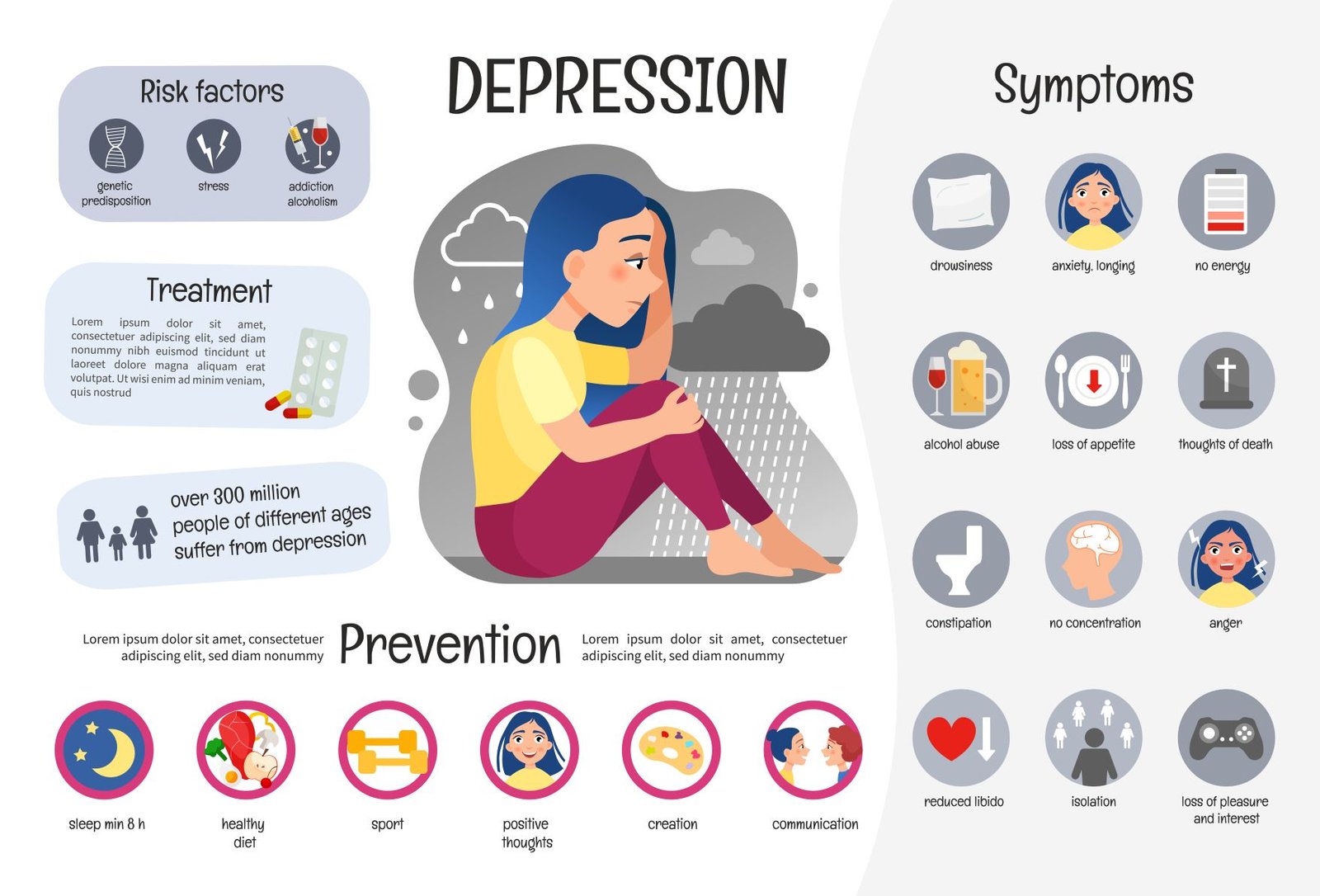
Depression reveals itself through a wide range of emotional and physical symptoms that can quietly erode one’s quality of life. Common signs include persistent sadness, heightened anxiety, feelings of guilt or worthlessness, poor concentration, and noticeable changes in sleep, either too much or too little. Some individuals may also experience fatigue, loss of interest in activities they once enjoyed, or even thoughts of self-harm or suicide. These symptoms are not simply signs of stress or weakness; they indicate a deeper mental health condition that requires attention and care.
While depression is one of the most frequently diagnosed mental health disorders, it should never be underestimated or dismissed. Early awareness, honest conversations, and professional intervention play a powerful role in preventing symptoms from worsening. They also help individuals reclaim stability, purpose, and peace of mind.
Depression doesn’t emerge from a single cause. It develops from a complex blend of genetics, environment, and emotional resilience. Each person’s experience is unique, shaped by biological vulnerability and life circumstances such as trauma, loss, chronic stress, or social isolation. Young adults are particularly at risk due to the transitional nature of their lives. They must navigate identity, relationships, and independence while coping with uncertainty and pressure.
What makes depression even more challenging is its invisibility. Someone can appear perfectly fine while struggling internally. According to mental health experts, it can take an average of ten years before a person finally seeks help. This delay underscores the urgent need to create safe spaces where emotional pain can be expressed without fear or judgment.
Encouraging Early Support and Awareness
Open conversations about depression and anxiety are vital to dismantling stigma and promoting recovery. Many young adults hesitate to speak up out of shame or fear of being misunderstood, but acknowledging mental distress is an act of strength, not weakness. Families, schools, and workplaces play a crucial role in fostering mental health literacy, recognizing early signs, offering compassion, and guiding individuals toward professional help. Awareness and education not only shorten the time it takes to seek support but also save lives. When emotional struggles are addressed early, they become manageable rather than overwhelming, leading to improved emotional stability and long-term well-being.
Effective Treatment and Recovery
Modern treatments for depression and anxiety offer real hope for healing. A combination of therapy and medication can restore chemical balance in the brain and provide lasting relief from emotional pain. Psychotherapies such as cognitive behavioral therapy (CBT) and mindfulness-based approaches teach practical skills to manage negative thinking and build emotional resilience. In severe cases, advanced medical interventions like electroconvulsive therapy (ECT) or transcranial magnetic stimulation (TMS) can be life-changing. Recovery also thrives on small, consistent lifestyle changes, regular exercise, good nutrition, quality sleep, and meaningful social connections. Healing is a journey, not a straight line, and every young adult deserves compassionate support, professional guidance, and the reassurance that recovery is possible and within reach.
Empowering Young Adults Through Mental Health Support
Supporting young adults struggling with depression begins with empathy, patience, and gentle guidance. For someone facing emotional pain, even simple tasks, like researching a therapist or preparing for a doctor’s appointment, can feel overwhelming. Offering to help with these first steps can make a tremendous difference. It’s crucial to remind them that depression is not a weakness or a lack of willpower; it is a legitimate medical condition that deserves care and understanding, just like asthma or diabetes. Encouragement should come without pressure or judgment, focusing instead on small, manageable steps toward healing. When young adults realize that seeking help is an act of courage, not failure, they begin to rebuild trust in themselves and in the healing process. Through compassion, consistent support, and validation, we can help them rediscover hope, strength, and the belief that recovery is truly possible.
How to Heal from Depression?
Now that you understand what depression is and how it manifests, the next step is learning how to actively care for your mental health. Healing begins with consistency, not perfection. Simple, intentional habits, like maintaining a regular sleep schedule, staying physically active, eating nourishing meals, and spending time in supportive environments, can create powerful shifts in how you feel. While it may seem difficult to take action when your energy is low, every small effort counts toward recovery. Building healthy coping mechanisms, such as journaling your thoughts, practicing mindfulness, or reaching out to a trusted friend or therapist, strengthens emotional resilience over time. Remember, healing doesn’t happen overnight, it’s a gradual process of rebuilding hope, self-compassion, and stability. With patience and daily care, you can regain balance, rediscover joy, and move toward a healthier, more fulfilling life.
1. Establishing a Consistent Sleep Routine
One of the most powerful yet often overlooked tools in improving mental health is sleep regulation. Your brain and emotions thrive on structure. When you go to bed at random times, your circadian rhythm becomes disrupted, leaving you fatigued, irritable, and more vulnerable to depressive moods.
Try setting a consistent bedtime and wake-up schedule, even on weekends. Create a nighttime ritual that signals your brain it’s time to rest, dim the lights, avoid screens, and engage in calming “lying down activities” like reading a light book, journaling, or gentle stretching. These habits prepare your mind to unwind naturally and can dramatically improve the quality of your rest.
A consistent sleep schedule is not just about getting hours of rest; it’s about sending a message to your mind that stability and predictability exist in your daily life, a key factor in emotional recovery.
2. Avoiding Harmful Habits and Building Mental Strength
Depression often tempts individuals toward quick escapes, alcohol, smoking, or drugs, which may numb pain temporarily but intensify it over time. These substances interfere with your brain’s chemical balance, worsen anxiety, and reduce your ability to process emotions in healthy ways.
Understanding the difference between recreation and reliance is crucial. It’s not about judgment; it’s about awareness. Each time you choose to reduce or eliminate these substances, you strengthen your brain’s ability to heal and regulate itself naturally.
Instead, focus on developing coping mechanisms that build resilience, exercising regularly, practicing mindfulness, or spending time in nature. Every small choice that prioritizes your health over harmful habits is a step toward emotional freedom and self-control.
3. Finding Healthy Outlets for Anxiety and Emotional Wellness
Depression and anxiety thrive in silence and stillness of the mind. When your thoughts loop in negativity, you need constructive outlets that redirect your focus. Creative and physical activities release endorphins, the body’s natural mood enhancers, and help restore mental clarity.
Try exploring different forms of self-expression:
- Meditation and deep breathing to calm racing thoughts.
- Artistic outlets like painting, journaling, or photography to express what words can’t.
- Physical activities such as bowling, yoga, or a simple 10-minute walk outside to reconnect with the world around you.
The goal isn’t perfection, it’s progress. Each time you engage in something meaningful or physically active, you remind your brain that joy and peace are still accessible.
4. Nourishing Your Body and Boosting Mental Health Naturally
The mind and body are deeply connected, and your diet directly influences your mood. During depressive episodes, it’s easy to slip into emotional eating or neglect meals altogether. However, the nutrients you feed your body play a vital role in emotional regulation and brain function.
Prioritize foods rich in omega-3 fatty acids, B vitamins, and antioxidants, these nutrients enhance focus, energy, and mood stability. Include:
- Avocados, nuts, and seeds for healthy fats.
- Fish such as salmon or sardines for omega-3s.
- Leafy greens and berries to fight inflammation and oxidative stress.
Avoid excessive caffeine and processed sugars, as they can lead to mood crashes. Think of every meal as a chance to fuel not just your body but your healing journey. Nourishment is self-respect in action.
5. Seeking Support and Professional Help for Depression
Depression can make you feel isolated, but healing begins when you reach out for support. Talk to family members, trusted friends, or mentors who can listen without judgment. Sometimes, speaking about your struggles allows the emotional weight to lift, reminding you that you’re not alone in this fight.
If you’ve tried coping on your own and still feel stuck, professional help is not a sign of weakness, it’s a courageous step toward wellness. Therapists, counselors, and treatment centers specialize in helping you understand the roots of your emotions and guide you through evidence-based healing strategies.
Remember, asking for help doesn’t make you dependent; it empowers you to build the life you deserve.
6. Encouraging Open Conversations About Mental Health
Mental health conversations need to become as normal as talking about physical health. When you speak openly about your emotions, you create space for others to do the same, and that collective openness breaks the stigma surrounding depression and anxiety.
Leave room for reflection and dialogue. Ask questions, share insights, and engage with communities or forums dedicated to mental wellness. Healing isn’t a solitary journey, it’s a shared experience of growth, empathy, and understanding.
Why Depression Is Increasing Among Young Adults
Depression is increasingly affecting young adults, fueled by a complex mix of social, environmental, and biological factors. Academic and economic pressures weigh heavily on this age group, as the constant push to succeed academically and financially creates chronic stress. Social media amplifies these pressures, often promoting unhealthy comparisons, reducing genuine face-to-face interactions, and disrupting sleep patterns, all of which can exacerbate feelings of inadequacy and isolation. The lingering effects of the COVID-19 pandemic have also left a lasting mark, with prolonged social isolation, disrupted education, and heightened anxiety leaving many young adults more vulnerable to depressive symptoms.
Social Media Effect
While technology connects us, excessive social media use can deepen mental health struggles. Endless scrolling often leads to unhealthy social comparison, making individuals feel they are “falling behind” in life or missing out on opportunities. Reduced real-life interaction and irregular sleep patterns caused by late-night device use further compromise emotional stability. Recognizing these patterns is crucial, as digital habits can directly impact mood, self-esteem, and overall mental health.
Life Stress and Its Lasting Effects
Adverse childhood experiences, such as bullying, abuse, or neglect, play a significant role in predisposing young adults to depression and anxiety. These early traumas can shape emotional responses, coping mechanisms, and resilience, leaving individuals more vulnerable to stress later in life. Coupled with current societal pressures and limited access to mental healthcare, these factors underscore the urgent need for targeted strategies that promote awareness, early intervention, and emotional support. By understanding both the social and personal factors driving depression, young adults, caregivers, and mental health professionals can implement effective steps to prevent escalation and foster long-term healing.
Biological and Psychological Factors That Influence Depression
Understanding depression requires looking at both biological and psychological contributors. These factors often interact, shaping an individual’s vulnerability and experience of the disorder.
1. Genetic Predisposition
Research consistently shows that depression can run in families. If close relatives, such as parents or siblings, have experienced depression, an individual’s risk of developing the condition increases. This genetic predisposition does not guarantee depression, but it can make the brain more sensitive to stressors and emotional challenges. Recognizing this risk early can help young adults adopt preventative mental health strategies.
2. Hormonal Changes
Hormonal shifts, particularly during adolescence and early adulthood, significantly affect mood regulation. Changes in estrogen, progesterone, and testosterone can influence stress sensitivity and emotional stability. For many young adults, these hormonal fluctuations can trigger mood swings, heighten vulnerability to stress, and increase the risk of developing depressive symptoms. Awareness of these changes can help individuals respond proactively with supportive routines and coping strategies.
3. Neurotransmitter Imbalances
Depression is closely linked to biological imbalances in brain chemicals, especially neurotransmitters like serotonin and dopamine. These neurotransmitters regulate mood, motivation, and emotional resilience. Dysregulation can reduce pleasure, impair stress management, and make recovery from emotional setbacks more challenging. Interventions such as therapy, lifestyle adjustments, and in some cases, medical treatments, can help restore balance and improve overall mental health.
4. Anxiety and Stress
Psychological stress and anxiety are powerful contributors to depression. Chronic stress, whether from school, work, relationships, or personal pressures, can overload emotional coping mechanisms. Individuals with heightened anxiety are particularly prone to depressive episodes, as persistent worry and tension can drain mental energy and exacerbate negative thinking patterns. Developing stress management techniques like mindfulness, journaling, and structured routines is essential for resilience.
Barriers to Mental Health Support
Even when the causes of depression are understood, accessing help remains a significant challenge for many young adults. Overcoming these barriers is critical to early intervention and recovery.
1. Mental Health Stigma
Stigma surrounding mental illness remains a major barrier. Young adults often fear judgment, social exclusion, or being labeled “weak” if they seek help. This societal pressure can delay diagnosis and prevent individuals from accessing support until symptoms worsen. Normalizing conversations about mental health and promoting education can reduce stigma and encourage early help-seeking.
2. Limited Healthcare Access
Access to quality mental healthcare is not equal for all. Many young adults face financial, geographic, or systemic barriers that limit their ability to see a mental health professional. Low-income communities, underserved regions, and certain demographic groups often have fewer mental health resources. This lack of access can prolong suffering and prevent early intervention, making it essential to advocate for equitable healthcare systems and accessible mental health services.
How to Help Someone With Depression
Supporting a loved one struggling with depression or anxiety can be one of the most challenging experiences. Sometimes, despite your best efforts, they may not want to talk. That does not mean you are powerless. There are many ways to be helpful, even when words aren’t being exchanged.
Here are professional strategies drawn from years of clinical experience in residential treatment, therapy, and mental health coaching:
1. Create a Safe and Comfortable Environment
Before anything else, ensure the person feels physically and emotionally safe in your presence. People are more likely to open up when they know there is no judgment or pressure. Avoid forcing conversations about feelings. Instead, focus on creating consistency and comfort:
- Maintain calm and predictable routines.
- Respect boundaries while showing consistent care.
- Make your space welcoming, warm, and non-threatening.
Even small gestures, like sitting in the same room quietly, can convey safety and presence.
2. Work on Yourself to Be a Strong Support
Supporting someone struggling with mental health is easier when you are emotionally prepared. Consider:
- Attending therapy yourself to process your feelings.
- Educating yourself about depression, anxiety, and mental health strategies.
- Practicing self-care to avoid burnout.
Your own stability allows you to model healthy coping strategies and maintain patience when the person you care about is distant.
3. Understand Their Love Language and Express Care
Connection does not always require words. Learning the individual’s preferred ways of receiving care can significantly impact your relationship:
- Physical touch (hugs, hand-holding, or a supportive pat on the shoulder) when appropriate.
- Acts of service (helping with chores, yard work, or projects).
- Quality time (sitting together, engaging in hobbies, or simply being present).
- Words of affirmation (notes, letters, or texts that show you are thinking of them).
Consistent, meaningful gestures communicate love and support even when verbal communication is minimal.
4. Help Them Express Emotions Through Alternative Activities
Many people, especially young adults and males, may not have the vocabulary to express their emotions. Support them by providing non-verbal or indirect outlets:
- Children: Play, stories, hugs, roughhousing, or creative activities like drawing and crafts.
- Teenagers/Adults: Physical challenges, sports, volunteering, or hobbies that offer accomplishment.
- Expressive arts: Painting, pottery, dance, or music. Music in particular has a natural ability to evoke and release emotions.
- Nature-based activities: Gardening, hiking, or simply spending time outdoors.
Engaging in these activities together allows them to process feelings without having to articulate them.
5. Use Reflection and Emotional Coaching
Even if they don’t talk much, you can gently help them name and understand their feelings:
- Use reflective listening: “It seems like you might be feeling frustrated, am I right?”
- Encourage journaling, letter writing, or email as a safe outlet.
- Participate in emotional intelligence exercises or expressive writing projects.
These strategies help build emotional literacy, a skill that often takes time to develop, especially in those resistant to direct conversation.
6. Build Confidence and Hope Through Challenges
Depression can erode self-esteem and motivation. Structured, manageable challenges can restore a sense of accomplishment:
- Physical activities: Completing a hike, a 5K, or a high-adventure activity.
- Tangible tasks: Yard work, home projects, or creative endeavors.
- Community service: Finding a cause they care about and participating in it together.
The key is visible progress, finishing tasks provides tangible evidence of capability and hope.
7. Prioritize Presence Over Conversation
Sometimes, just showing up is the most powerful form of support:
- Sit in the same space while they engage in their own activities.
- Invite them to participate in outings, hobbies, or simple daily tasks.
- Encourage shared experiences: cooking, shopping, watching a show, or playing games.
Loneliness often worsens mental health struggles, so consistent presence, without pressure, can be profoundly healing.
8. Consider Professional and Therapeutic Support
Even when words aren’t exchanged, professional support can provide tools to help the individual:
- Sand tray or play therapy: Especially effective with children and teens.
- Expressive arts therapy: Allows emotions to be processed creatively.
- Therapeutic guidance for parents or caregivers: Learning how to best support someone who resists talking.
These resources supplement your support and offer specialized intervention.
9. Small Acts of Connection Matter
Simple gestures can boost oxytocin, the “love hormone”, and reinforce emotional bonds:
- Petting a furry companion or interacting with children.
- Writing a heartfelt note or creating a small gift.
- Playing music, making playlists, or attending a concert together.
Even small, consistent gestures communicate care and reinforce that they are not alone.
10. Patience Is Essential
Supporting someone who resists verbal communication requires endless patience and consistency. Your presence, attention, and small acts of love accumulate over time, often creating profound positive effects that may not be immediately visible.
- Keep showing up, even when they push back.
- Offer options, not pressure.
- Recognize that your effort is making a difference, even if it’s subtle.
How to Cope with Depression as a Young Adult
Depression can feel overwhelming, but young adults can take meaningful steps to improve mood, energy, and overall mental health. While professional support is essential, daily habits and lifestyle adjustments play a powerful role in recovery.
1. Lifestyle and Self-Care Strategies
Exercise
Engaging in daily physical activity is one of the most effective ways to improve emotional well-being. Exercise stimulates endorphins, natural mood enhancers, and reduces stress and anxiety. You don’t need a gym membership:
- Take a brisk 15–30 minute walk.
- Try dancing, cycling, or playing a sport.
- Practice gentle stretching, yoga, or Pilates to combine movement with mindfulness.
Consistency matters more than intensity. Even short daily sessions can help you feel more energized and resilient.
Diet
What you eat significantly affects how you feel. A balanced diet can improve brain function, energy levels, and emotional stability:
- Eat whole foods like fruits, vegetables, lean proteins, and healthy fats.
- Drink plenty of water to stay hydrated, as dehydration can worsen fatigue and irritability.
- Avoid extremes, overeating or undereating can negatively impact mood and motivation.
A consistent, nutritious diet supports both physical and mental health.
Sleep
A regular sleep schedule is critical for emotional balance:
- Go to bed and wake up at consistent times every day.
- Create a nighttime routine that signals your body it’s time to relax, such as reading or light stretching.
- Limit screen time and bright lights before bed to improve sleep quality.
Proper sleep restores energy, reduces irritability, and helps manage depressive symptoms.
Relaxation
Healthy relaxation techniques can help calm racing thoughts and reduce anxiety:
- Spend time in nature, even a short walk in the park.
- Listen to music that uplifts or soothes you.
- Practice mindfulness or meditation to center your thoughts and regulate emotions.
Small daily moments of relaxation can have a cumulative effect on mood and resilience.
Creative Expression
Finding ways to express your feelings can prevent emotions from becoming overwhelming:
- Try drawing, painting, or journaling.
- Cook or bake as a form of creative engagement.
- Explore hobbies that allow you to express yourself safely and productively.
Creative activities are not only therapeutic, they help you connect with your inner self.
2. Social and Emotional Strategies
Stay Connected: Lean on Supportive Relationships
Isolation can worsen depression. Maintaining social connections provides emotional support and perspective:
- Reach out regularly to friends, family, or mentors.
- Share how you feel without pressure; even small interactions matter.
- Avoid social withdrawal, as consistent connection is protective against worsening symptoms.
Focus on Solutions, Not Problems
While it’s helpful to talk about challenges, dwelling too much can reinforce negative thought patterns:
- Notice small positive events in your day.
- Practice problem-solving rather than ruminating.
- Celebrate progress, no matter how small.
Face Fears Gradually
Avoiding anxiety-inducing situations may provide temporary relief, but confronting fears gradually can build confidence:
- Break down intimidating tasks into smaller steps.
- Celebrate small victories along the way.
- Practice exposure techniques with support from friends or a therapist.
Join a Support Group
Being part of a community of peers who understand what you’re going through can be incredibly validating:
- Look for local or online mental health support groups.
- Share experiences and coping strategies with others.
- Build a sense of belonging and reduce feelings of isolation.
3. When to Seek Professional Help
Talk to a Mental Health Professional
A therapist or healthcare provider can help create a personalized treatment plan:
- Therapy approaches such as Cognitive Behavioral Therapy (CBT) are highly effective for depression.
- Professional guidance ensures safe, evidence-based coping strategies.
Consider Medication if Recommended
Medication may be appropriate in some cases:
- Follow your doctor’s instructions carefully.
- Never stop taking prescribed medication suddenly without consultation.
- Combine medication with therapy and lifestyle strategies for best results.
Seek Immediate Help in Crisis
If you ever feel unsafe or are thinking of harming yourself, reach out immediately:
- In the U.S., call or text the 988 Suicide & Crisis Lifeline.
- Locate local crisis services in your area.
- Remember, seeking help is a sign of strength, not weakness.
Coping with depression as a young adult requires a multifaceted approach: lifestyle changes, social engagement, emotional strategies, and professional support. By taking consistent steps every day, moving your body, nourishing your mind, staying connected, and practicing self-care, you can gradually improve your mental health and regain a sense of control.
Recovery is rarely linear, but with patience, support, and intentional action, improvement is always possible.
Frequently Asked Questions
1. What Are the Emotional and Mental Signs of Depression?
Depression primarily affects how you think, feel, and perceive yourself and the world. The emotional and mental signs can range from subtle to overwhelming and often interfere with daily life.
Common Emotional and Mental Signs Include:
- Persistent Sadness or Emptiness: A deep, lingering sense of sadness or hollowness that doesn’t seem to go away.
- Loss of Interest or Pleasure: Activities that once brought joy, like hobbies, social outings, or relationships, feel unfulfilling.
- Hopelessness and Helplessness: Feeling as though nothing will ever get better or that your efforts are meaningless.
- Guilt or Worthlessness: Constant self-blame or believing you’re a burden to others.
- Difficulty Concentrating: Struggling to focus on school, work, or even simple tasks.
- Overthinking or Negative Thought Loops: Persistent rumination about past mistakes or fears about the future.
- Emotional Numbness: Feeling detached from yourself or others, unable to experience joy or sadness fully.
These symptoms may come and go, but when they persist for weeks or months, they signal that professional help may be needed.
2. What Are the Physical and Behavioral Signs of Depression?
Depression is not just a mental experience, it manifests physically and behaviorally. The body often reflects what the mind is struggling to process.
Physical Signs:
- Changes in Sleep Patterns: Either insomnia (trouble falling or staying asleep) or oversleeping (hypersomnia).
- Appetite Changes: Overeating for comfort or loss of appetite altogether.
- Low Energy or Fatigue: Persistent tiredness, even after rest, making daily tasks feel exhausting.
- Unexplained Aches and Pains: Headaches, muscle pain, or digestive issues that have no clear medical cause.
- Weakened Immune System: Frequent illness or slower recovery due to chronic stress.
Behavioral Signs:
- Withdrawal from Friends and Family: Isolating oneself, avoiding social activities, or losing touch with loved ones.
- Neglecting Responsibilities: Difficulty keeping up with school, work, or household tasks.
- Changes in Hygiene or Appearance: A noticeable decline in self-care or personal grooming.
- Increased Substance Use: Using alcohol, nicotine, or drugs to escape emotional pain.
- Restlessness or Agitation: Pacing, fidgeting, or struggling to sit still due to inner tension.
Recognizing these signs early can lead to timely intervention and prevent depression from deepening.
3. The Role of Stress and Anxiety in Triggering Depression
Stress and anxiety are among the most common precursors to depression, particularly in young adults balancing multiple life pressures.
How Stress and Anxiety Contribute:
- Chronic Stress Overload: Constant exposure to stress, academic, financial, or social, can exhaust the body’s coping systems, leading to burnout and depressive symptoms.
- Anxiety-Fueled Overthinking: Persistent worry and fear can drain mental energy, leaving a person emotionally depleted.
- Cortisol Imbalance: Prolonged stress increases cortisol levels, which can disrupt mood-regulating neurotransmitters such as serotonin and dopamine.
- Sleep Disruption: Anxiety often interferes with sleep, creating a cycle of fatigue, irritability, and emotional instability.
- Emotional Exhaustion: When you’re always on alert, your mind eventually shuts down, resulting in numbness or depression.
Managing stress through mindfulness, healthy boundaries, regular physical activity, and counseling can significantly reduce the risk of depression.
4. Relationship and Family Problems as Root Causes
Relationships shape how young adults view themselves and navigate the world. When relationships become strained, they can deeply impact emotional stability.
Common Relationship-Related Triggers Include:
- Toxic or Abusive Relationships: Emotional manipulation, neglect, or controlling behaviors can erode self-esteem.
- Parental Conflict or Divorce: Family instability can create deep insecurity and chronic stress.
- Lack of Emotional Support: Feeling unseen, misunderstood, or dismissed by loved ones leads to emotional isolation.
- Breakups or Rejection: Romantic loss can trigger feelings of abandonment, self-doubt, and despair.
- Unresolved Childhood Trauma: Early attachment wounds often resurface in young adulthood, affecting mental health.
Healing begins with acknowledging emotional pain, establishing healthy boundaries, and seeking professional support to process unresolved conflict or trauma.
5. Financial Pressure and Job Instability Among Young Adults
Economic uncertainty is one of the most overlooked causes of depression in today’s generation. Young adults are facing unprecedented challenges, rising living costs, job competition, and unstable employment, all of which can undermine mental health.
The Financial-Mental Health Connection:
- Debt and Unemployment: Constant financial strain creates chronic stress and feelings of inadequacy.
- Job Insecurity: Fear of losing employment or struggling to find meaningful work can cause anxiety and depression.
- Societal Pressure to Succeed: Comparing financial status to peers can fuel feelings of failure.
- Burnout: Overworking to stay afloat financially can lead to emotional exhaustion.
- Low Income and Limited Access to Care: Financial barriers often prevent individuals from seeking therapy or treatment.
Practical coping strategies include budgeting, seeking career counseling, reducing comparison, and prioritizing self-care even in financially stressful times.
6. The Impact of Social Media and Technology on Depression
Social media plays a significant role in the mental health of young adults today. While it can foster connection, it also contributes to anxiety, isolation, and depression when overused or used unconsciously.
Key Ways Social Media Affects Mental Health:
- Comparison Culture: Constant exposure to others’ highlight reels can make users feel inadequate.
- Cyberbullying and Online Harassment: Negative online interactions can severely impact self-esteem.
- Sleep Disruption: Excessive screen time, especially at night, interferes with healthy sleep cycles.
- Reduced Face-to-Face Interaction: Digital connections often replace real-world relationships, increasing loneliness.
- Information Overload: Constant exposure to distressing news or opinions can heighten anxiety and emotional fatigue.
Creating healthy digital boundaries, such as limiting screen time, curating content, and taking social media breaks, can greatly improve emotional balance and focus.
7. Gender Differences in Depression Among Young Adults
While depression affects all genders, the manifestation and expression often differ due to biological, social, and cultural factors.
In Young Women:
- Higher Emotional Expression: Women are often more likely to seek help but may experience more emotional intensity due to hormonal changes.
- Societal Expectations: Pressures to maintain perfection in appearance, relationships, and career can heighten stress and self-criticism.
- Hormonal Fluctuations: Menstrual cycles, pregnancy, or hormonal birth control can influence mood.
In Young Men:
- Emotional Suppression: Many men are conditioned to hide vulnerability, leading to anger, irritability, or withdrawal instead of sadness.
- Risk-Taking or Substance Use: Men may cope through escapist behaviors like drinking, drugs, or reckless activities.
- Stigma Around Seeking Help: Cultural expectations of masculinity often discourage men from talking about emotions or pursuing therapy.
Encouraging open conversations and normalizing emotional expression for both genders is crucial to breaking stigma and promoting healing.
Conclusion: Building a Mentally Healthier Generation
Mental health is the foundation of a meaningful, productive, and fulfilling life, especially for young adults navigating the pressures of modern society. Depression, anxiety, and chronic stress are not signs of weakness, they are signals that your mind and body need care, support, and intentional strategies to heal. Over the course of my 25+ years as a therapist and mental health coach, I’ve seen firsthand how cultivating healthy habits, emotional awareness, and supportive relationships can transform lives.
Building a mentally healthier generation requires action at both individual and community levels. On a personal level, young adults must prioritize self-care: establishing consistent sleep patterns, exercising regularly, nourishing the body with healthy food, engaging in creative or reflective practices, and seeking professional support when needed. Developing emotional intelligence, resilience, and coping skills strengthens the ability to navigate life’s challenges without succumbing to prolonged mental strain.
Equally important is fostering an environment where mental health is openly discussed and normalized. Friends, families, educators, and workplaces all play a critical role in destigmatizing mental health struggles. Encouraging honest conversations, providing access to resources, and practicing empathy create a network of support that empowers young adults to seek help early and prevent long-term mental health deterioration.
Ultimately, building a mentally healthier generation is about balance, connection, and proactive care. When young adults are equipped with the tools to manage stress, express emotions, and seek support, they not only improve their own well-being but also contribute to a culture of mental resilience, compassion, and collective growth. Prioritizing mental health today ensures a future generation that is emotionally strong, adaptable, and capable of thriving in every area of life.