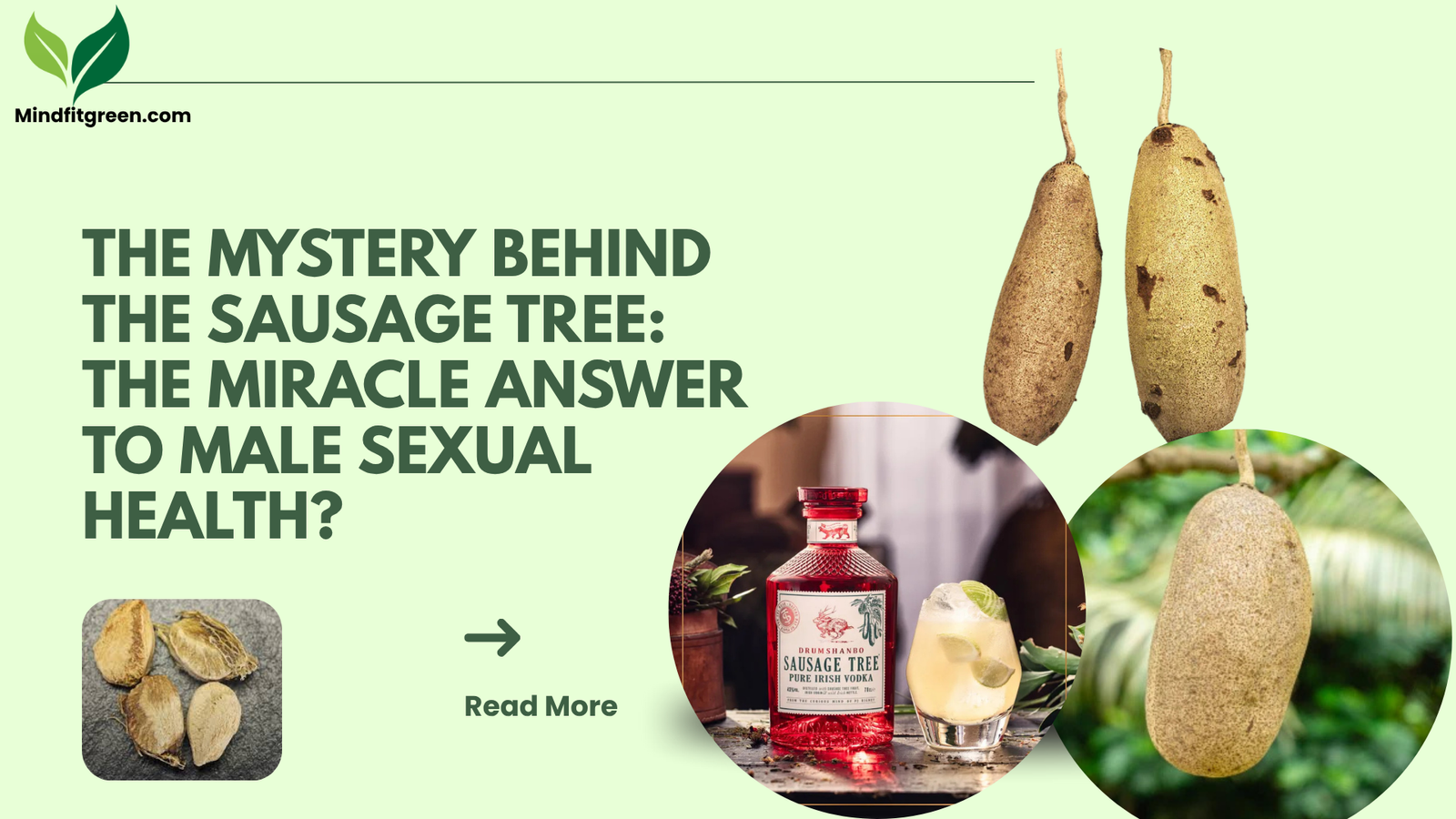
Kigelia Africana, commonly referred to as the sausage tree, is a remarkable plant native to Africa. Its large, sausage-shaped fruits have made it easily recognizable, but its significance extends far beyond appearance. For centuries, Kigelia Africana has been valued in traditional medicine for its wide range of health benefits, from supporting male sexual wellness to promoting healthy skin. This versatile plant continues to attract attention for its natural therapeutic properties and its potential role in modern herbal remedies.
Health Benefits and Traditional Uses
Kigelia Africana fruits can be consumed orally or applied topically, offering a wide range of therapeutic effects. When ingested, they are believed to support overall vitality, enhance male sexual performance, and improve circulation. Topical applications have been used to address skin conditions, promoting a healthy and rejuvenated appearance. The bioactive compounds found in Kigelia Africana, including flavonoids and iridoids, contribute to its potent medicinal properties. These natural ingredients work synergistically to provide holistic benefits that support both physical wellness and confidence.
Integrating Kigelia Africana into Daily Life
Incorporating Kigelia Africana into a daily wellness routine is both simple and effective. For oral use, the fruit is typically prepared in powdered or extract form, while topical applications involve creams or oils infused with the fruit’s beneficial compounds. Regular use can enhance overall health, boost sexual wellness, and promote skin vitality. Understanding how to properly utilize this powerful African herb allows individuals to harness its full potential, creating a natural and sustainable approach to well-being that combines tradition with modern health practices.
Topical Benefits and Uses of Kigelia Africana
Kigelia Africana, when applied topically, provides many skin benefits valued in traditional African medicine for generations. The fruit’s natural compounds treat wounds, fade marks and blemishes, and leave the skin soft, smooth, and radiant. Its bioactive elements also target wrinkles, fine lines, and early signs of aging. They firm delicate areas such as the eyes, cheeks, and neck. Beyond anti-aging effects, Kigelia Africana manages common skin conditions, including eczema, acne, and pimples. This makes it a versatile and highly effective natural solution for overall skin health and rejuvenation.
Practical Application and Oil Infusion Methods
For optimal results, Kigelia Africana can be infused into a carrier oil, such as groundnut oil, creating a potent topical preparation. This infusion allows the fruit’s active compounds to penetrate the skin deeply, enhancing healing and restorative effects. Regular application of this oil supports natural skin repair, diminishes the appearance of stretch marks, and promotes overall skin rejuvenation. By combining traditional herbal knowledge with modern preparation techniques, users can benefit from a safe, natural, and sustainable method of improving skin health while addressing a variety of dermatological concerns.
Observed Results and Long-Term Benefits
Personal experience with the oil infusion demonstrates its remarkable effectiveness. After consistent application for ten days, significant improvements can be observed, including the reduction of wrinkles and fine lines, accelerated healing of minor wounds, and noticeable fading of stretch marks. These outcomes highlight Kigelia Africana’s potential as a natural, powerful, and reliable option for maintaining youthful, healthy, and vibrant skin. Its ability to combine anti-aging, restorative, and skin-clearing properties underscores why this African herb continues to be celebrated as a cornerstone in both traditional and modern skincare practices.
Internal Benefits and Tea Preparation
When taken internally, Kigelia Africana provides a wide range of health benefits that support overall wellness. The fruit is known to boost the immune system, assist in dissolving tumors, and help manage conditions such as high blood pressure and diabetes. Its bioactive compounds work synergistically to reduce inflammation, cleanse the blood of toxins, and support the body’s natural defenses against infections.
To prepare Kigelia Africana for internal use, begin by cutting the fruit into smaller pieces and drying them under direct sunlight. Once dried, roast the pieces in an oven at low heat for about thirty minutes until they are fully dry and can be ground into a fine powder. This powder serves as the base for a potent herbal tea that harnesses the fruit’s therapeutic properties.
For tea preparation, mix one teaspoon of the powdered fruit with one liter of boiling water and let it steep for five minutes. Consume one cup in the morning on an empty stomach and another cup in the evening before bed. Regular consumption of this tea helps combat inflammation, supports blood purification, and enhances overall vitality, making it an effective natural remedy for maintaining long-term health and wellness.
Fruit Characteristics and Ecological Significance
Kigelia Africana, commonly known as the sausage tree, produces impressively large fruits that can weigh several kilograms. They bear a striking resemblance to sausages, which is the origin of its common name. These fruits are visually distinctive and remarkably dense. Falling fruits can cause damage to anything beneath them. The sheer size and weight make them a fascinating example of nature’s ability to create unique and functional botanical forms. They attract interest from botanists and naturalists around the world.
Cultural Symbolism and Traditional Meaning
Beyond its physical characteristics, the sausage tree holds deep symbolic significance in many African cultures. It is often seen as representing transformation, growth, and the first steps toward personal or spiritual change. The fruit’s unusual shape and size have made it a symbol of strength and resilience, reminding communities of the potential for development and renewal. While the fruit bears some resemblance to yam tubers grown in Ghana, it is important to note that it is poisonous when raw, which emphasizes the need for proper preparation before human consumption, reflecting a broader cultural understanding of respect for natural resources.
Wildlife Interaction and Environmental Importance
Kigelia Africana also plays a vital role in its ecosystem, supporting a diverse array of wildlife. Elephants feed on both the leaves and fruits, while other animals, including baboons, bush pigs, giraffes, and monkeys, are able to consume the fruit safely. This ecological interaction highlights the tree’s importance in sustaining biodiversity and maintaining a balanced environment. By providing food and shelter to various species, Kigelia Africana contributes not only to natural habitats but also to ecological stability, underscoring its significance as both a cultural and environmental asset.
Tree Characteristics and Habitat of Kigelia Africana
Kigelia Africana, commonly known as the sausage tree, is a remarkable species that can grow up to 20 meters tall and develops a broad, spreading canopy. It thrives in tropical and subtropical regions with warm, humid climates and is sensitive to frost, making it ideal for environments that provide consistent warmth and moisture. The tree’s expansive structure and dense foliage allow it to provide ample shade, which is why it is often planted in parks and gardens as an ornamental or shade tree. However, its large and heavy fruits require caution, as they can fall and potentially cause injury.
The flowers of Kigelia Africana are large, typically measuring around 10 centimeters in diameter, and grow on long stalks from which the distinctive sausage-shaped fruits later develop. These flowers vary in color, ranging from vibrant orange to deep purple, and emit a strong fragrance that attracts pollinators. At night, bats are the primary visitors, drawn by the scent and nectar, while birds and insects contribute to pollination during the day. This dual attraction ensures successful fertilization and fruit production, highlighting the tree’s ecological significance.
In addition to its aesthetic and ecological roles, the sausage tree is valued for its adaptability in human landscapes. While it adds beauty and shade to parks and gardens, careful placement is necessary due to the weight and size of the fruits. Its impressive height, striking flowers, and unique fruit make Kigelia Africana a standout species in both natural and cultivated environments, blending ornamental appeal with ecological and traditional importance.
Uses for Wildlife and Humans
Kigelia Africana plays a vital role in both natural ecosystems and human health. In the wild, its fruits serve as an important food source for a variety of animals, including elephants, monkeys, and baboons. Fallen flowers are consumed by species such as impalas and bush pigs, creating a complex food chain that extends to predators like leopards. This interaction highlights the tree’s ecological significance, providing sustenance and supporting biodiversity within its habitat.
For humans, the sausage tree has long been valued for its medicinal and skincare properties. Various parts of the tree, particularly the fruits and extracts, are used in topical preparations designed to treat a range of skin conditions. Traditional and modern applications include mixing Kigelia Africana extracts with creams to promote healing, reduce blemishes, and support skin regeneration. Some formulations have even been explored for their potential in treating skin cancer, demonstrating the fruit’s potent bioactive properties.
In addition to therapeutic benefits, Kigelia Africana preparations can offer protective effects for the skin. When applied topically, these natural remedies may provide a degree of sun protection while enhancing skin health, firmness, and appearance. By bridging ecological importance and human utility, Kigelia Africana stands out as both a cornerstone of African wildlife sustenance and a powerful natural solution in holistic skincare practices.
Traditional and Agricultural Significance of Kigelia Africana
Kigelia Africana, commonly known as the sausage tree, has long been valued for its cultural and practical applications across various African communities. In Zambia, young sausage tree pods are deeply integrated into traditional practices, often symbolizing growth, vitality, and development. These pods are believed to encourage physical and spiritual growth when used in specific cultural rituals, reflecting the profound connection between local communities and their natural environment. Such practices demonstrate the enduring importance of indigenous knowledge and highlight the tree’s role beyond mere aesthetics or nutrition.
Practical Applications in Agriculture
Beyond its symbolic uses, Kigelia Africana offers tangible benefits in small-scale agricultural settings. The young pods have been traditionally employed to improve the health and activity of livestock, such as chickens, while also providing natural protection against certain diseases. These applications illustrate the tree’s versatility, enabling communities to harness its natural properties for practical purposes. By integrating Kigelia Africana into daily agricultural routines, villagers can enhance animal welfare sustainably, reduce dependence on synthetic chemicals, and support environmentally friendly farming practices.
Bridging Culture and Sustainability
The combined cultural and agricultural significance of Kigelia Africana underscores its unique value to African societies. Its use in traditional rituals alongside practical farming applications highlights a holistic approach to human and animal well-being, where natural resources are respected and utilized thoughtfully. By preserving these practices and understanding the tree’s potential, communities can maintain cultural heritage while benefiting from a sustainable, natural resource that supports health, growth, and productivity in both people and animals.
Frequently Asked Questions
1. What is Kigelia Africana and where does it grow?
Kigelia Africana, commonly known as the sausage tree, grows as a tall, tropical tree native to sub-Saharan Africa. It can reach up to 20 meters high and thrives in warm, humid climates. Because the tree is frost-sensitive, it flourishes best in regions with consistently warm temperatures and adequate rainfall. Its distinctive sausage-shaped fruits, which can weigh several kilograms, make it easily recognizable. Large, colorful flowers attract pollinators such as bats, birds, and insects.
The tree’s habitat extends across savannas, riverbanks, and woodland areas. People often plant it in parks and gardens as an ornamental or shade tree. However, caution is necessary when planting near areas with human activity due to the size and weight of its fruits. Beyond aesthetics, the tree plays a critical ecological role by providing food and shelter to various wildlife species. Local communities also use it for both medicinal and cultural purposes.
2. What are the main health benefits of Kigelia Africana?
Kigelia Africana offers both internal and external health benefits recognized in traditional medicine for centuries. Topically, it improves skin health by treating wounds, reducing blemishes, combating acne, and diminishing fine lines and wrinkles. The fruit’s bioactive compounds, including flavonoids and iridoids, provide anti-aging and skin-firming properties, making it a natural solution for maintaining youthful, radiant skin.
Internally, the fruit boosts the immune system, improves circulation, and helps manage chronic conditions such as high blood pressure and diabetes. Its anti-inflammatory properties support the body’s natural healing processes and aid in detoxifying the blood. Regular, safe use can enhance overall vitality, strengthen the immune system, and contribute to long-term wellness.
3. Is Kigelia Africana safe to use?
Kigelia Africana offers numerous health benefits, but proper preparation ensures safety. Raw fruits are toxic and men should never consume them directly. For internal use, drying, roasting, and grinding the fruit into powder or extract neutralizes toxic compounds. For topical applications, infusions or creams must use properly processed fruit to prevent adverse reactions.
When men use these preparations correctly, both topical and internal applications remain safe and effective. Following recommended dosage and application guidelines maximizes benefits while minimizing potential risks. Consulting traditional knowledge or herbal specialists helps ensure proper preparation and use for both human health and skincare.
4. How can Kigelia Africana be applied for skin health?
For skin benefits, people most commonly use Kigelia Africana in topical preparations such as oil infusions or creams. They grind the fruit and combine it with carrier oils like groundnut or olive oil to create a nourishing solution that penetrates the skin deeply. Regular application improves the appearance of fine lines, wrinkles, stretch marks, and blemishes while promoting skin firmness and elasticity.
This preparation also manages skin conditions such as eczema, acne, and minor wounds. Users report noticeable improvements in skin texture and radiance after consistent use. Combining these preparations with daily skincare routines enhances long-term results.
5. How is Kigelia Africana used internally?
People most commonly consume Kigelia Africana as a herbal tea or powder. They dry, roast, and grind the fruit into a fine powder. For tea preparation, steep one teaspoon of the powder in boiling water and consume in controlled doses, typically once in the morning on an empty stomach and once in the evening before bed.
Internal use supports the immune system, improves blood circulation, reduces inflammation, and helps manage chronic conditions like diabetes and high blood pressure. By cleansing the blood of toxins and enhancing overall vitality, the fruit serves as a natural remedy for maintaining long-term wellness. Consistency in preparation and consumption is key to achieving desired benefits.
6. Can Kigelia Africana help with male sexual wellness?
Yes, traditional use shows that Kigelia Africana supports male sexual health. It improves circulation and enhances erectile function, making it a natural option for men seeking to boost performance. People often combine it with other herbs or carrier oils in topical or internal preparations to improve sexual vitality and stamina.
Its bioactive compounds may also support reproductive health by enhancing hormonal balance and blood flow. While results vary based on individual conditions, consistent use according to traditional preparation methods helps men maintain better sexual performance naturally, without relying on synthetic alternatives.
7. How does Kigelia Africana benefit wildlife?
The fruits and leaves provide important food for wildlife in African ecosystems. Elephants, monkeys, and baboons feed on the fruits, while fallen flowers attract animals such as impalas and bush pigs. This creates a complex food chain supporting both herbivores and their predators, including leopards.
By providing nutrition and habitat resources, Kigelia Africana contributes to ecological balance and biodiversity. Its presence ensures multiple species access essential nutrients while maintaining the ecosystem’s overall health.
8. Can Kigelia Africana be used in traditional rituals?
Yes, many African cultures integrate Kigelia Africana into traditional and spiritual practices. In Zambia, young sausage tree pods feature in rituals symbolizing growth, vitality, and development. These cultural applications highlight the tree’s significance beyond medicine, reflecting its role in community life and indigenous knowledge systems.
Communities blend symbolic and practical uses, recognizing the tree as both sacred and functional. This preserves cultural heritage while utilizing its natural benefits.
9. How is Kigelia Africana used in agriculture?
Farmers use Kigelia Africana in small-scale agriculture. They sometimes feed young pods to livestock, such as chickens, to improve health and activity while protecting them from certain diseases. These applications provide natural solutions for animal health management and reduce reliance on synthetic chemicals.
By incorporating the tree into village agriculture, farmers maintain sustainable practices while benefiting from its protective and nutritional properties. This demonstrates the tree’s versatility as both a medicinal and agricultural resource, supporting human and animal well-being simultaneously.
10. How should Kigelia Africana be stored and prepared for use?
Proper storage and preparation preserve Kigelia Africana’s benefits. People dry fruits and keep them in a cool, dry place to prevent mold or spoilage. For internal use, roasting and grinding the fruit into powder neutralizes toxic compounds. Topical preparations require infusions into oils or creams to ensure safe and effective application.
Regular and consistent use following traditional preparation guidelines maximizes the herb’s therapeutic potential. Careful handling ensures safety and effectiveness, making Kigelia Africana a reliable natural resource for skincare, internal wellness, and agricultural purposes.