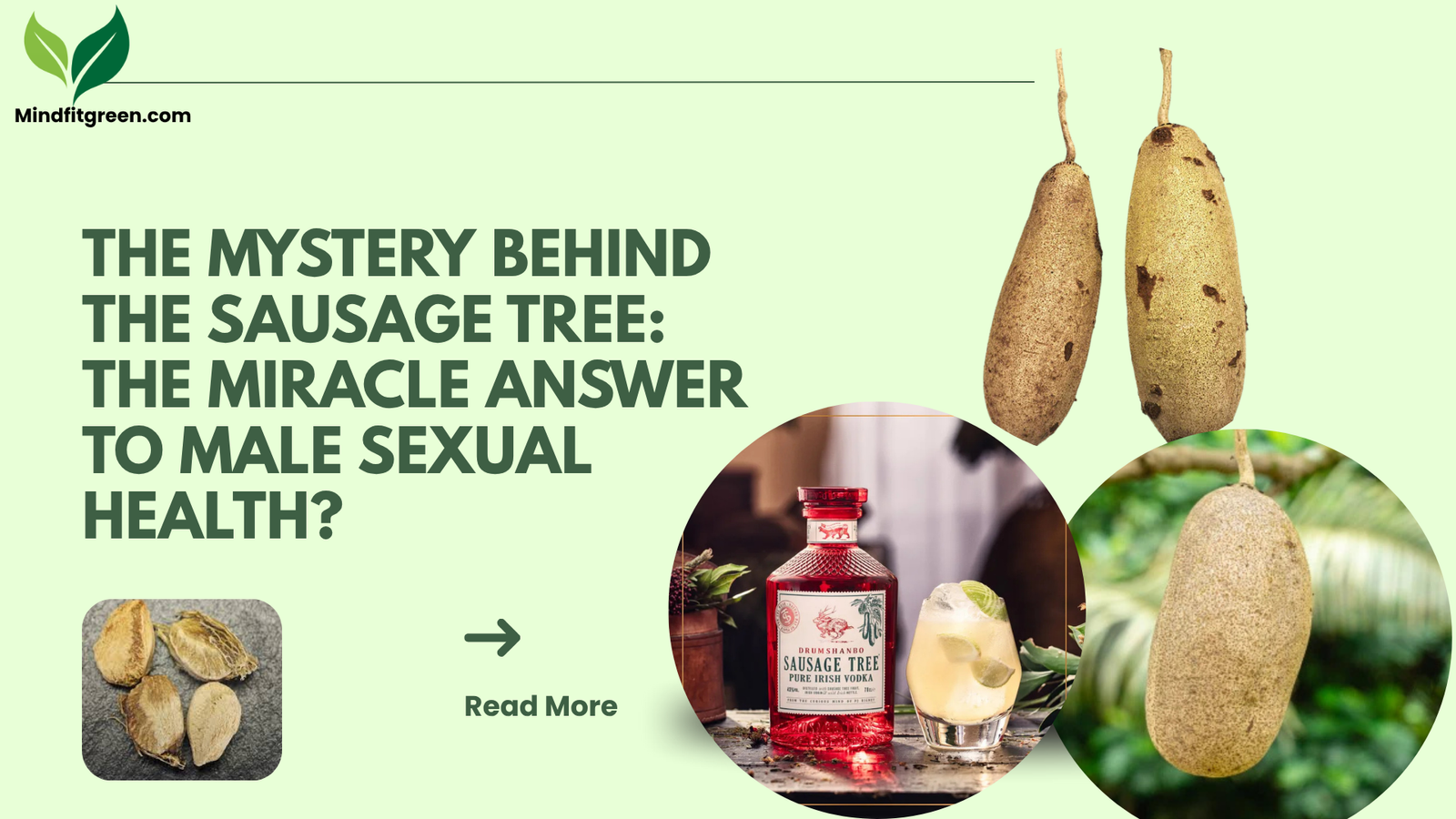
The sausage tree, scientifically known as Kigelia Africana, holds deep cultural and traditional importance across various African communities. Among the Kikuyu people, the fruit is used to prepare a special local brew called Muratina, traditionally consumed during weddings, dowry payments, and funerals. This practice highlights the symbolic and social significance of the tree, as it is not only a source of nutrition but also a central element in rituals and celebrations. It is important to note that unripe fruits are highly poisonous, emphasizing the need for careful preparation and knowledge passed down through generations.
Botanical Features and Growth
Kigelia Africana is a tropical tree notable for its striking and unique appearance. It can grow up to 60 feet tall, featuring a thick trunk with smooth grey bark and a beautifully rounded canopy. The tree produces large, vibrant red flowers that are visually striking and attract various pollinators, including bats, birds, and insects. Over time, these flowers develop into enormous pendulous fruits that can reach up to three feet in length, a characteristic that gives the tree its common name, the sausage tree. Its impressive size and distinctive fruit make it an iconic presence in the landscapes of South and East Africa.
Ecological and Practical Importance
Beyond its cultural and aesthetic value, the sausage tree plays a vital ecological role. The fruits provide food for a range of wildlife, including elephants, monkeys, and baboons, supporting biodiversity and maintaining the balance of local ecosystems. Additionally, the tree’s wood and extracts are used in traditional medicine for skin care, wound healing, and other health applications. Its combination of cultural relevance, ecological significance, and practical uses demonstrates why Kigelia Africana remains a highly valued species across Africa, both as a natural resource and as a symbol of heritage and tradition.
Seed Structure and Germination Process
Muratina seeds, originating from the fruit of Kigelia Africana, possess a notably hard shell that protects the embryo and ensures the seed’s survival in challenging natural environments. This resilient outer layer requires exposure to fire or specific natural conditions, such as fluctuating temperatures and humidity, to successfully initiate germination. During the initial growth phase, the fruit develops a phallic shape before maturing into the elongated, sausage-like form that characterizes the tree. This unique development underscores both the ecological adaptation and the distinctive morphology of Kigelia Africana.
Nutritional Value and Traditional Uses
Embedded within the fibrous pulp of the sausage tree’s fruit, African communities have long used the seeds as an emergency food source during periods of scarcity. Their nutritional content sustains people in times of famine, demonstrating the tree’s practical significance beyond ceremonial or cultural applications. In addition, local brewers ferment the fruit to produce a brew, which the Luhya language calls Murambe, highlighting the tree’s dual nutritional and social value in traditional African life.
Cultural Importance and Community Significance
Kigelia Africana seeds and fruits hold deep cultural and symbolic significance in many African societies. Beyond their role as a source of food, the seeds and fermented brews contribute to rituals, ceremonies, and communal gatherings, reinforcing social bonds and cultural heritage. The integration of the tree into daily life and special occasions reflects the reverence for its practical and symbolic contributions, illustrating why the sausage tree remains an essential and respected species across its native regions in Africa.
Physical Characteristics of the Sausage Tree
The sausage tree, scientifically known as Kigelia Africana, is a deciduous species capable of reaching heights of up to 20 meters. Its robust trunk, often exceeding one meter in diameter, supports a wide, spreading crown with long, arching branches that create a visually striking silhouette against the African landscape. The rough, grey bark, frequently fissured, adds to the tree’s distinctive appearance and provides protection against environmental stressors. Its expansive root system is highly invasive, making it essential to avoid planting near buildings or structures to prevent potential damage.
Flower Morphology and Pollination
Among the most remarkable features of the sausage tree are its large, bell-shaped flowers, which typically measure between 10 and 15 centimeters in length. These flowers appear in vibrant shades of purple, red, or cream, adding visual appeal to the tree. Notably, the flowers bloom at night, attracting nocturnal pollinators such as bats and moths, which play a critical role in the tree’s reproductive process. The combination of size, color, and nocturnal flowering makes Kigelia Africana a unique species both botanically and ecologically.
Ecological and Aesthetic Significance
Beyond its striking physical characteristics, the sausage tree contributes significantly to its ecosystem. Its flowers provide a vital food source for nocturnal pollinators, while the tree itself offers shade and habitat for a variety of wildlife. Its broad crown and arching branches give the tree an architectural form, making people favor it as an ornamental species in parks and large gardens, although they must exercise caution due to its invasive roots and the weight of its pendulous fruits. The combination of ecological, aesthetic, and functional features underscores the importance of Kigelia Africana in both natural and cultivated environments.
Edibility and Nutritional Uses
Kigelia Africana seeds have long served as a source of sustenance in traditional African communities. People can consume the seeds as famine food when they roast them, providing vital nutrition during periods of scarcity. In certain cultural traditions, people believe that consuming raw seeds enhances male fertility, reflecting the symbolic as well as practical significance of the tree. This dual purpose as both food and a cultural symbol highlights the versatility and importance of Kigelia Africana in daily life.
Medicinal and Cultural Applications
Beyond their nutritional value, people integrate the seeds and other parts of the sausage tree into various medicinal practices. Traditional healers use extracts from the fruit, bark, and seeds in remedies for ailments ranging from skin conditions to digestive issues. Communities also recognize the tree’s cultural significance, using it in rituals, ceremonial brews, and other traditional practices, which cements its role as both a health resource and a cultural emblem.
Ecological and Community Value
Kigelia Africana also supports local wildlife, providing food for animals such as elephants, baboons, and monkeys. Its ecological role complements its cultural and nutritional importance, creating a holistic value system in which the tree contributes to both biodiversity and human well-being. This integration of ecological, nutritional, and medicinal benefits underscores why the sausage tree remains a vital and respected species across Africa.
Diverse Local Names Across Africa
Kigelia Africana, commonly known as the Sausage tree in English, carries a multitude of local names that reflect its widespread cultural significance across the African continent. In some regions, it is called Mà-nàmbeliôn, which translates to “an elephant cannot touch it,” highlighting the tree’s impressive size and resilience. The Turkana people refer to it as Ethaali or Edoht, while the Kamba communities know it as the Muatine Tree or Kaluvu Tree. Among the Kikuyu, it is called the Muratina Tree, and in the Kipsigis region, it is known as the Ratuinet Tree.
Regional Variations and Linguistic Heritage
The Luhya people call the tree Kumufungu, whereas the Luo communities refer to it as the Yago Tree. The Maasai name it Oldarpo, and in Luganda, it is Omussa. In Nigeria, it is recognized as Bulangu, demonstrating the tree’s reach beyond East Africa into West Africa. Other local names include Rotio Tree in Marakwet, Muratina Tree in Meru, Ratinuet Tree in Nandi, Bogh Tree in Orma, Mbwoka Tree in Pokomo, and Roti Tree in Pokot. These diverse names emphasize the deep integration of the sausage tree into local languages, cultures, and daily life.
Cultural Significance and Symbolism
The variety of names across regions is more than linguistic diversity; it represents the cultural and symbolic value of Kigelia Africana in traditional African societies. Each name often carries meaning connected to the tree’s physical characteristics, ecological role, or ceremonial uses. This rich tapestry of nomenclature highlights the importance of the sausage tree not only as a biological species but also as a cornerstone of heritage, community identity, and practical utility in multiple African cultures.
Regional Names and Cultural Significance
Kigelia Africana, widely known as the Sausage tree, holds a variety of names across different African regions, reflecting its deep cultural roots and traditional significance. In Burundi, the tree is called Umeramera, while in Kisii it is known as Omoribe. In Mozambique, the tree is referred to as the Mvunguti Tree and has been traditionally used for male enhancement purposes. Other local names include Muun in Rendile, Lmomoi Tree in Samburu, Bukuraal Tree in Somali, Mwengea Tree in Swahili, Mwasina Tree in Taita, Mukisha Tree in Taveta, Muthigu Tree in Tharaka, Rual in Dinka, and Rahaina Tree in Hausa. Each name carries a unique cultural or symbolic meaning that highlights the significance of the tree in local traditions.
Medicinal Applications and Traditional Remedies
Beyond its cultural importance, Kigelia Africana has been extensively used in traditional medicine throughout Africa. In Uganda, for example, the fruit has recently gained attention in local markets for its medicinal properties, particularly for lowering blood sugar levels and managing blood pressure. The preparation involves carefully cutting the fruit into pieces, boiling it in water, and drinking the resulting infusion. This method demonstrates the tree’s continued relevance in modern herbal medicine, bridging traditional knowledge with contemporary health practices.
Integrating Tradition with Health Benefits
The diverse regional names and medicinal uses of Kigelia Africana underscore its multifaceted role in African communities. It serves not only as a cultural symbol and a natural remedy but also as a practical resource for health and well-being. The tree’s adaptability, ranging from ceremonial uses to therapeutic applications, illustrates its enduring value and explains why communities continue to revere and utilize it across generations for both its ecological and medicinal contributions.
Distinctive Fruit Characteristics and Visual Appeal
Kigelia Africana, commonly known as the sausage tree, is renowned for its striking and unusual fruits. These elongated, sausage-shaped fruits can reach up to 60 centimeters in length, hanging prominently from long stalks that create a visually captivating display. When mature, the fruits turn brown and contain seeds encased in fibrous pulp. While they are not suitable for raw consumption due to their bitter taste, the fruits are highly versatile once processed, offering a range of applications in traditional medicine and cultural practices. Their size and unique shape make them a defining feature of the tree, contributing to its ecological and aesthetic value in African landscapes.
Fermentation Properties and Cultural Uses
One of the most remarkable properties of Kigelia Africana fruit is its natural yeast content, which enables fermentation. This characteristic has been traditionally harnessed to produce potent beverages, including local wines and medicinal drinks. Communities across Africa have long utilized the fermentation process to create culturally significant brews, often consumed during ceremonies, celebrations, and social gatherings. This traditional knowledge underscores the tree’s role not only as a botanical curiosity but also as a practical resource in local diets and cultural rituals.
Health Applications and Traditional Remedies
Beyond its use in fermentation, people have valued Kigelia Africana fruit for its medicinal properties for generations. Healers incorporate the fruit into remedies to address various health concerns, from digestive support to topical applications for skin care. The combination of its nutritional and therapeutic potential, along with its unique physical characteristics, establishes the sausage tree as both a vital natural resource and a symbol of cultural heritage. This dual role highlights the enduring importance of Kigelia Africana in African communities, bridging traditional practices with practical health benefits.
Frequently Asked Questions About the Sausage Tree
1. What are the benefits of drinking sausage tree?
Drinking extracts from Kigelia Africana, when properly prepared, offers multiple health benefits. Traditionally, people have used it to improve skin health, support detoxification, reduce inflammation, and aid urinary tract function. The extracts also boost libido, support liver health, and help combat infections, demonstrating the wide-ranging therapeutic potential of this unique African tree.
2. What diseases can Kigelia Africana help treat?
Kigelia Africana, known for its bark, leaves, and fruit, serves in African herbal medicine to address various ailments. Its antimicrobial, antioxidant, and anti-inflammatory properties help manage skin conditions like eczema, ringworm, boils, and fungal infections. Traditional use also alleviates malaria symptoms, treats dysentery, relieves rheumatism, and addresses sexually transmitted infections such as syphilis, highlighting its versatility as a medicinal plant.
3. What are the benefits of the sausage tree for women?
In certain African cultures, people use Kigelia Africana to support female health, particularly for breast firming and development during puberty. Historical accounts and community practices show that extracts or topical preparations from the fruit or bark enhance physical development, reflecting the tree’s cultural and therapeutic significance in women’s health.
4. What is the use of the sausage tree for men?
Men traditionally use Kigelia Africana to improve sexual health and overall vitality. Its extracts help with erectile dysfunction, boost libido, support prostate health, and enhance blood circulation. Some communities apply the fruit or bark in medicinal preparations to improve performance and treat genital infections, emphasizing its role in male wellness.
5. Is the sausage tree fruit poisonous?
Yes, the raw fruit of Kigelia Africana contains toxic compounds such as iridoids and saponins. Consuming the fruit raw can cause nausea, vomiting, or stomach upset. Traditional practices always process the fruit—through drying, roasting, or fermenting—before using it in medicinal or cultural preparations.
6. How much is Muratina in Kenya?
Muratina, the traditional brew made from Kigelia Africana, typically costs 150 Ksh for a 1.25-milliliter bottle. For larger quantities of 10 liters or more, brewers charge between 1500 Ksh and 2000 Ksh depending on preparation method.
7. How long does Muratina take to ferment?
Muratina fermentation involves mixing the prepared sausage tree fruit with water, sugarcane juice, and sometimes honey. Natural yeast in the fruit converts sugars into alcohol over about five days, producing the characteristic traditional brew.
8. Can you eat sausage tree fruit?
People cannot eat the raw fruit of the sausage tree due to its toxicity. However, they can safely process it through drying, roasting, or fermentation to create medicinal products or traditional brews. Once prepared, it serves important cultural, medicinal, and nutritional purposes.
9. Which traditional drinks do people make from Kigelia Africana?
Apart from Muratina, various African communities ferment Kigelia Africana to prepare other beverages for ceremonial and medicinal purposes. Natural yeast in the fruit allows easy fermentation, producing drinks consumed for health benefits, cultural rituals, or social gatherings.
10. How does Kigelia Africana support skin health?
The sausage tree contains bioactive compounds that promote skin healing and rejuvenation. People use its extracts topically to treat wounds, fade scars and blemishes, reduce fine lines and wrinkles, and manage conditions like acne and eczema. These applications demonstrate the tree’s long-standing use as a natural skincare remedy in traditional African medicine.
Kigelia Africana Tree Propagation
People can propagate Kigelia Africana, commonly known as the sausage tree, from seeds without requiring extensive pre-treatment, although proper handling improves germination rates. Storing seeds for up to 12 months enhances their viability, while briefly soaking them in hot or boiling water for one minute prior to sowing can further improve germination success. These steps ensure that the seeds are primed for growth while maintaining their natural vitality.
Planting Techniques for Optimal Growth
For successful propagation, people should place seeds in seedling trays filled with pure river sand. They press the seeds lightly into the sand so that the tip is level with the surface, then cover them with a thin layer of sand or pure compost to provide stability and support.
Maintaining consistent moisture is crucial during this stage, as the seeds require a humid environment to trigger the germination process. Under optimal conditions, typically at temperatures of 23°C or higher, seeds will sprout within 7 to 20 days.
Natural Regeneration and Environmental Adaptation
In addition to controlled propagation, Kigelia Africana seeds can naturally regenerate when the fruit falls to the ground and decomposes. This natural release process allows the seeds to germinate in their native environment, contributing to the tree’s ecological resilience. By combining both natural and managed propagation methods, gardeners and conservationists can ensure sustainable growth and maintain the ecological and cultural significance of the sausage tree across African landscapes.
Climatic Conditions for Kigelia Africana
Kigelia Africana, commonly known as the sausage tree or Muratina Tree, thrives in regions with a mean annual rainfall between 900 and 2,000 millimeters. It prefers medium loam soil that is fertile and well-drained, providing the nutrients necessary for steady growth. The tree flourishes in sunny locations where it receives adequate light, which supports both vegetative growth and flowering. Its adaptability to tropical and subtropical climates makes it a resilient species across South and East Africa.
Growth Patterns and Soil Preferences
Although relatively slow-growing, Kigelia Africana reaches substantial shade coverage within four to five years under optimal conditions. On average, the tree grows about one meter per year, though growth can slow considerably in cooler climates. Fertile, humus-rich soil enhances development, while well-drained conditions prevent waterlogging that could impede root establishment. By providing ideal soil and sunlight conditions, gardeners and conservationists can maximize growth and ensure healthy, long-lasting trees.
Flowering and Reproductive Cycle
Kigelia Africana typically begins flowering approximately six years after germination from seed, though flowering may occur intermittently throughout the year. Its large, bell-shaped flowers, ranging in color from deep purple to red or cream, are pollinated primarily by bats at night, while birds and insects contribute during the day. The flowers emit a strong, often unpleasant scent, which is an adaptation to attract nocturnal pollinators. Understanding the tree’s climatic and reproductive requirements is essential for cultivating healthy specimens and maintaining its ecological and cultural significance.
Habitat and Geographical Distribution of Kigelia Africana
Kigelia Africana, widely known as the sausage tree or Muratina Tree, is native to sub-Saharan Africa and has a significant cultural and ecological presence across the region. Historically, the town of Karatina derived its name from this iconic tree, which is a key ingredient in traditional brewing of Muratina, a popular local alcoholic beverage. Records suggest that during the Spanish flu pandemic of 1920, Karatina served as a quarantine center, highlighting the region’s historical relevance alongside the tree’s cultural importance.
Preferred Environments and Soil Conditions
The sausage tree thrives in diverse habitats, from open savannas to the moist banks of rivers. It prefers well-drained, fertile soils and benefits from environments near water sources, although it exhibits remarkable resilience during dry periods. This adaptability allows Kigelia Africana to establish in varying climatic conditions, making it a versatile species for both natural ecosystems and cultivated landscapes.
Ecological and Cultural Significance
Beyond its ecological role in providing shade, supporting wildlife, and stabilizing riverbanks, Kigelia Africana holds cultural significance in African communities. Its fruits and other parts of the tree are used in traditional medicine, ceremonial practices, and as ingredients in local brews. Understanding its habitat preferences and distribution helps in conservation efforts, sustainable cultivation, and appreciation of its multifaceted value across Africa.
Comprehensive Benefits of Kigelia Africana
Kigelia Africana, commonly known as the sausage tree, is highly valued for its extensive medicinal and cosmetic benefits. Its fruit extracts are rich in bioactive compounds, including flavonoids, sterols, and antioxidants, which make them particularly effective for skincare. These natural compounds help manage a variety of skin conditions such as eczema, psoriasis, acne, and fungal infections. The anti-inflammatory and antimicrobial properties of the tree also aid in reducing swelling and combating bacterial infections, highlighting its significance in traditional African medicine.
Cosmetic and Anti-Aging Applications
Beyond medicinal uses, Kigelia Africana is widely employed in cosmetic formulations. Its extracts are incorporated into creams and lotions for firming and tightening the skin, improving elasticity, and reducing visible signs of aging such as wrinkles and fine lines. Regular use of these preparations supports skin rejuvenation, promoting a smoother, healthier, and more youthful appearance. The plant’s ability to enhance skin texture while addressing various dermatological issues underscores its versatility and enduring appeal in natural skincare.
Traditional and Emerging Health Uses
Traditionally, Kigelia Africana has been used to treat wounds, ulcers, and rheumatism, demonstrating its broad therapeutic applications. Some research suggests that certain compounds in the tree may inhibit the growth of tumor cells, indicating potential anticancer properties. Additionally, extracts are sometimes used to support digestive health, combat malaria, and alleviate respiratory conditions. These diverse benefits establish Kigelia Africana not only as a cornerstone of African herbal medicine but also as a promising resource for modern natural health and wellness practices.
Uses of the Sausage Tree
The sausage tree, or Kigelia Africana, holds unique culinary significance in several African communities despite its fruit being inedible when raw. Traditionally, the fruit is processed through drying, roasting, or fermenting to make it safe for consumption. In some regions, it is incorporated into cooking to impart flavor to dishes, while in others, it serves as a key ingredient in local beverages. These practices highlight the innovative ways communities utilize natural resources for both nourishment and cultural purposes.
Traditional Beverage Production
One of the most notable culinary applications of Kigelia Africana is in the fermentation of local alcoholic beverages. People use the fruit in brewing practices to produce drinks such as Muratina and Karubu, which hold cultural significance in certain African societies. They may bake the fruit or use it directly, including the fleshy pulp or rind, to enhance fermentation and contribute to the beverage’s potency and unique flavor profile. Natural sugars in the fruit and flower nectar aid the fermentation process, allowing communities to craft beverages with both cultural and social importance.
Cultural Significance and Fermentation Effects
The inclusion of sausage tree fruit in brewing not only adds flavor but also influences the chemical composition of the drinks. The fermentation process can produce compounds such as amyl alcohol, which are responsible for the distinctive effects of these beverages, including strong potency and hangover experiences. Beyond alcohol production, the use of flower nectar as a sugar source underscores the tree’s broader utility and connection to local culinary traditions. Overall, Kigelia Africana exemplifies how traditional knowledge and natural resources are intertwined in African culinary and cultural practices.
Flavoring Uses of the Sausage Tree
The sausage tree, or Kigelia Africana, offers diverse culinary applications beyond beverage production. People can use processed fruit as a flavoring agent in traditional dishes, while communities have historically consumed roasted seeds as famine food in some African regions. After proper fermentation, the pulp contributes to beverages, and people often utilize other parts of the tree, such as the bark and leaves, in traditional medicine. Healers use bark preparations to address skin conditions, and they apply leaves in poultices, demonstrating the tree’s multifunctional role in nutrition and health.
Cultural Practices and Safety in Use
Traditions emphasize using only fallen fruits for culinary or medicinal purposes to ensure safety, as raw fruit is naturally toxic. This careful selection reflects the deep knowledge passed down through generations about how to harness the tree’s benefits without harm. Its striking appearance and large canopy also make it a popular choice for planting in public spaces, parks, and gardens, providing shade, a cooling environment, and aesthetic appeal while maintaining cultural significance.
Folklore, Symbolism, and Traditional Beliefs
Kigelia Africana carries rich folklore and symbolic meaning in many African cultures. The unusual shape of its fruits has inspired stories linking it to fertility, abundance, and growth. Cultural beliefs sometimes associate the fruit with physical development, as exemplified by Caroline’s account: “When we were growing as girls, we could request it to give us breast, supposedly you’ve reached that age of having breasts.” These narratives underscore how the sausage tree is not only valued for its practical uses but also revered for its symbolic and cultural importance, bridging natural resources with tradition and community identity.
How to Prepare Muratina from Sausage Tree Fruit
Muratina, also known as Karubo, is a traditional beer made using the fruit of the sausage tree, Kigelia Africana. To prepare it, the fruit is first soaked in sugarcane juice, which naturally forms yeast, providing the fermentation starter. Raw honey is then added to enhance flavor and accelerate fermentation. The mixture is left to ferment for four to six days, resulting in a rich and flavorful traditional beverage. Experienced brewers often follow methods passed down through generations, combining boiled or sun-dried fruit with water, sugarcane juice, and sometimes honey, then allowing the concoction to ferment over several days. Sugar can be used as an alternative to honey, depending on availability, producing a similar fermentation effect.
Tips for Successful Fermentation
The quality of Muratina depends on careful selection and preparation of the sausage tree fruit. Only fallen fruits are recommended for use to ensure safety and optimal fermentation. Maintaining a clean fermentation environment and monitoring temperature are crucial, as these factors influence yeast activity and the overall flavor of the beverage. Using traditional methods alongside modern hygiene practices can help produce a consistent and enjoyable brew while preserving cultural authenticity.
Where to Obtain Kigelia Africana Seedlings
For those interested in cultivating their own sausage tree, seedlings are widely available at local nurseries and online vendors. Prices typically range from 150 Ksh to 500 Ksh, depending on size and age. For example, Naivasha Seedlings sells Kigelia Africana seedlings for approximately 350 Ksh. Growing your own tree allows access to fresh fruit for Muratina production, medicinal uses, and ornamental purposes, while also contributing to the conservation of this culturally significant African species.
Medicinal Benefits of Kigelia Africana
People highly regard Kigelia Africana, commonly known as the sausage tree, in traditional African medicine for its wide-ranging therapeutic properties. While communities must properly process the raw fruit because it is toxic, they use the fruit, bark, and leaves, which are rich in bioactive compounds with anti-inflammatory, antimicrobial, and antioxidant effects. Healers apply extracts from the sausage tree topically to treat a variety of skin conditions, including eczema, acne, fungal infections, and minor wounds. The fruit’s compounds also help improve skin firmness and elasticity, making it a valued ingredient in natural skincare.
Internal Uses and Health Applications
Beyond external applications, traditional healers use Kigelia Africana internally to address a range of health concerns. They prepare the fruit or bark to manage malaria, dysentery, and respiratory infections. The plant’s natural compounds may enhance immune function and support overall wellness. Some scientific studies further indicate that Kigelia extracts could have potential in inhibiting the growth of certain cancer cells, highlighting its promise as both a traditional and emerging therapeutic resource.
Safety and Proper Processing
Due to its natural toxicity in raw form, careful processing is essential to ensure the safe use of Kigelia Africana. Methods such as drying, roasting, or fermenting the fruit, along with proper preparation of bark and leaf extracts, allow the medicinal benefits to be safely harnessed. Following these traditional and controlled practices ensures that users can enjoy the health-promoting properties of the sausage tree while minimizing risks, reinforcing its long-standing role in African herbal medicine.
Health Conditions Treated by Kigelia Africana
| Condition | Notes |
|---|---|
| Sexually Transmitted Infections | Traditional use for treatment of genital infections and urinary issues |
| Erectile Dysfunction In Men | Used to improve libido and male vitality |
| Sickle Cell Disease | Supports overall blood health and circulation |
| Breast Cancer | Some studies suggest inhibitory effects on tumor cell growth |
| Blood Pressure | Used traditionally to manage high blood pressure |
Medicinal Uses of Kigelia Africana Bark
The bark of Kigelia Africana is carefully dried, crushed, and powdered to create a versatile preparation, often consumed as a beverage. This form is particularly suitable for individuals with allergies, offering a gentle yet effective way to benefit from the plant’s therapeutic properties. Traditionally, the bark has been used to address a wide range of health complaints, demonstrating the plant’s role as a cornerstone of African herbal medicine.
Traditional Health Applications
Kigelia Africana bark is traditionally employed to support digestive health and alleviate fainting episodes, anemia, and sickle-cell anemia. Its applications extend to neurological conditions such as epilepsy, as well as respiratory ailments, and liver and heart disorders. In addition, it has been used to address nutritional deficiencies, including kwashiorkor, rickets, wasting, and general weakness. These diverse uses reflect centuries of empirical knowledge and the adaptability of the plant in treating multiple health concerns.
Modern Research and Commercial Applications
Modern scientific research has begun to validate many traditional claims regarding Kigelia Africana. Studies indicate that its bioactive compounds can support skin health, reduce inflammation, and combat microbial infections. Today, the plant is increasingly incorporated into commercially produced formulations for treating skin problems, highlighting its continued relevance in both traditional and contemporary medicine. The combination of historical knowledge and modern research underscores the importance of Kigelia Africana as a powerful natural remedy with broad therapeutic potential.
For those who love to drink tea but due to health reasons they are barred from the tea leaves this tree is the solution. It tastes like the normal tea leaves. You can make your own beverage by peeling off the stem. Remove the outer cells from the peels and cut into smaller pieces. Dry them and make a powder by pounding. Or alternatively use your own possible way to make a powder from the bark. The powder will be your tea. – Opiyo Jojo
Traditional Usage and African Herbalism
Kigelia Africana, widely recognized in African herbalism, has a long history of use for treating skin infections, rheumatism, and other ailments. Traditional healers have utilized its bark, leaves, and fruit for generations, relying on its natural compounds, including naphthoquinone molecules such as Lapachol, for their therapeutic properties. These traditional applications highlight the tree’s cultural and medicinal significance, illustrating how indigenous knowledge has shaped the use of local plants for health and wellness.
Skin and Wound Healing Applications
People commonly incorporate the bark and leaves of the sausage tree into poultices, ointments, and topical treatments to manage skin conditions and wounds. They apply these preparations to cuts, rashes, eczema, and other dermatological issues, providing natural relief while promoting healing. The antimicrobial properties of Kigelia Africana make it particularly valuable in traditional medicine, as it helps prevent infections and supports tissue recovery. These time-tested practices emphasize the importance of natural remedies in daily wellness routines.
Antimicrobial and Antioxidant Properties
Scientific research has confirmed that Kigelia Africana extracts possess antimicrobial and antioxidant effects. Studies indicate that these compounds can inhibit the growth of certain bacteria and fungi, suggesting potential applications in modern medicine beyond traditional uses. The antioxidant activity also contributes to overall health, potentially reducing oxidative stress and supporting cellular repair. While further research is necessary to fully explore its capabilities, the sausage tree represents a promising source of natural remedies that combine effectiveness with the benefits of time-efficient, holistic care.
Local Names and Regional Recognition of the Sausage Tree
People widely recognize Kigelia Africana, commonly known as the sausage tree, across Africa, and various local names reflect its cultural significance in different communities. Some of the notable names include:
- Kenya (Kikuyu) – Muratina Tree
- Kenya (Kipsigis) – Ratuinet Tree
- Kenya (Kamba) – Muatine or Kaluvu Tree
- Kenya (Luhya) – Kumufungu Tree
- Kenya (Luo) – Yago Tree
- Kenya (Maasai) – Oldarpo Tree
- Uganda (Luganda) – Omussa
- Nigeria – Bulangu
- Tanzania (Swahili) – Mwengea Tree
- Burundi – Umeramera
- Mozambique – Mvunguti Tree
- Somalia – Bukuraal Tree
- Rendile – Muun
- Samburu – Lmomoi Tree
- Taveta – Mukisha Tree
- Tharaka – Muthigu Tree
- South Sudan (Dinka) – Rual
- Nigeria (Hausa) – Rahaina Tree
- Kisii – Omoribe
- Marakwet – Rotio Tree
Habitat and Distribution Across Africa
The sausage tree is predominantly found in sub-Saharan Africa, thriving in diverse habitats ranging from savannas and open woodlands to riverbanks and floodplains. It grows best in well-drained soils, tropical to subtropical climates, and sunny locations with fertile, humus-rich soil. Countries where it is commonly found include:
- Kenya
- Tanzania
- Uganda
- Mozambique
- Nigeria
- Burundi
- South Sudan
- Somalia
- Zambia
- Zimbabwe
- Botswana
- Malawi
- Angola
- Democratic Republic of Congo
- Ethiopia
- South Africa
- Lesotho
- Swaziland
- Namibia
- Rwanda
Its widespread distribution highlights both its ecological adaptability and its cultural and medicinal importance throughout Africa.
Frequently asked questions (FAQs)
1. What is Kigelia Africana and why is it called the sausage tree?
Kigelia Africana, commonly referred to as the sausage tree, is a tropical African tree known for its unique, elongated fruit that resembles a sausage. Native to sub-Saharan Africa, it can grow up to 20 meters tall with a broad crown, thick trunk, and bell-shaped flowers. The fruit can reach up to 60 centimeters in length and is poisonous when raw. Its striking appearance and cultural significance have made it an important tree in traditional medicine, local rituals, and community practices.
2. What are the traditional medicinal uses of Kigelia Africana?
People have traditionally used Kigelia Africana in African herbal medicine for centuries. They value its fruit, bark, and leaves for their antimicrobial, anti-inflammatory, and antioxidant properties. Healers apply it topically to treat skin conditions like eczema, acne, fungal infections, and wounds. Internally, they prepare the fruit or bark to manage malaria, dysentery, high blood pressure, respiratory infections, and digestive issues. Some studies suggest it may even inhibit tumor growth, though scientific validation is ongoing.
3. Can Kigelia Africana improve skin health?
Yes, Kigelia Africana is widely valued for its skin benefits. Its extracts help combat wrinkles, fine lines, and early signs of aging by firming and tightening the skin. The fruit’s bioactive compounds fade blemishes, stretch marks, and scars while promoting overall skin rejuvenation. Oil infusions or creams prepared from the fruit are commonly used to treat minor wounds, burns, and other dermatological issues. The tree’s natural compounds are both safe and effective for long-term skincare, making it a popular ingredient in natural cosmetic applications.
4. Is the fruit of the sausage tree safe to consume?
People should never eat raw Kigelia Africana fruit directly because compounds like iridoids and saponins can cause vomiting or stomach upset. However, they can safely use processed fruit in traditional preparations, such as fermented beverages like Muratina or Karubo, or dry and roast it for medicinal use. Proper handling and preparation are essential to harness its benefits without adverse effects.
5. How is Muratina prepared using sausage tree fruit?
People make Muratina, a traditional Kenyan alcoholic beverage, using unripe sausage tree fruits. They soak the fruit in sugarcane juice or water, sometimes adding honey, to create natural yeast for fermentation. They leave the mixture to ferment for 4 to 6 days, producing a mildly alcoholic drink. People may bake or roast the fruit before use to enhance flavor and fermentation potency. Communities consume Muratina during ceremonies like weddings, burials, or dowry payments, reflecting the cultural significance of Kigelia Africana.
6. What are the ecological benefits of the sausage tree?
Kigelia Africana provides significant ecological value. Its fruits serve as food for wildlife such as elephants, baboons, monkeys, and bush pigs. The flowers attract nocturnal pollinators like bats as well as birds and insects during the day. By supporting these species, the sausage tree plays a vital role in local ecosystems, contributing to biodiversity and the natural food chain. Its roots and foliage also help prevent soil erosion in riverbanks and savanna regions.
7. How can the sausage tree be propagated?
The sausage tree can be propagated from seeds or cuttings. Seeds have a hard shell and benefit from pre-treatment such as soaking in hot water for a minute to improve germination. They can be sown in seedling trays with pure sand or compost and kept moist. Germination typically occurs within 7 to 20 days at temperatures above 23°C. In the wild, seeds are often naturally released when the fruit rots on the ground. Proper care during early growth ensures strong, healthy trees capable of producing fruit and flowers in the future.
8. What are the climatic requirements for Kigelia Africana?
The sausage tree thrives in tropical and subtropical climates with mean annual rainfall between 900 and 2,000 mm. It prefers fertile, humus-rich, well-drained soil and sunny locations. While it tolerates dry spells, it grows best near water sources. It is frost-sensitive and relatively slow-growing, reaching a suitable size for shade and ornamental use within 4 to 5 years. Flowering begins approximately six years after planting from seed, with blooms that attract pollinators essential for reproduction.
9. Are there any cultural or symbolic significances of Kigelia Africana?
Yes, the sausage tree holds strong cultural and symbolic importance in many African communities. It is often associated with fertility, transformation, and abundance. The fruit is used in ceremonies, including initiation rituals, dowry payments, and traditional brewing of Muratina. Folklore links the tree to creation myths, sustenance, and rites of passage, reflecting the deep integration of the tree into daily life and traditional knowledge systems.
10. Can Kigelia Africana be used for male health
Kigelia Africana is traditionally used by men to address erectile dysfunction, improve libido, and support overall male reproductive health. In some communities, the fruit or bark is processed into topical applications or ingested as a preparation to enhance vitality. The compounds in the fruit are believed to improve blood circulation, support prostate health, and boost energy. While largely anecdotal, these uses are widely reported in African herbal medicine traditions.