 Admin
AdminYou wake up exhausted. Before you even get out of bed, your mind is already racing. Work deadlines, bills, relationships, and a hundred other things are competing for your attention. Sound familiar?
Stress has become a daily companion for millions of people. But here is the thing: you do not have to live like this. There are powerful, natural ways to reduce stress without pills, expensive therapy, or complicated routines.
In this article, you will discover exactly how to reduce stress naturally, why it works, and how to make it a lasting part of your life.
What Actually Causes Stress in the Body?
Why does stress feel so overwhelming?
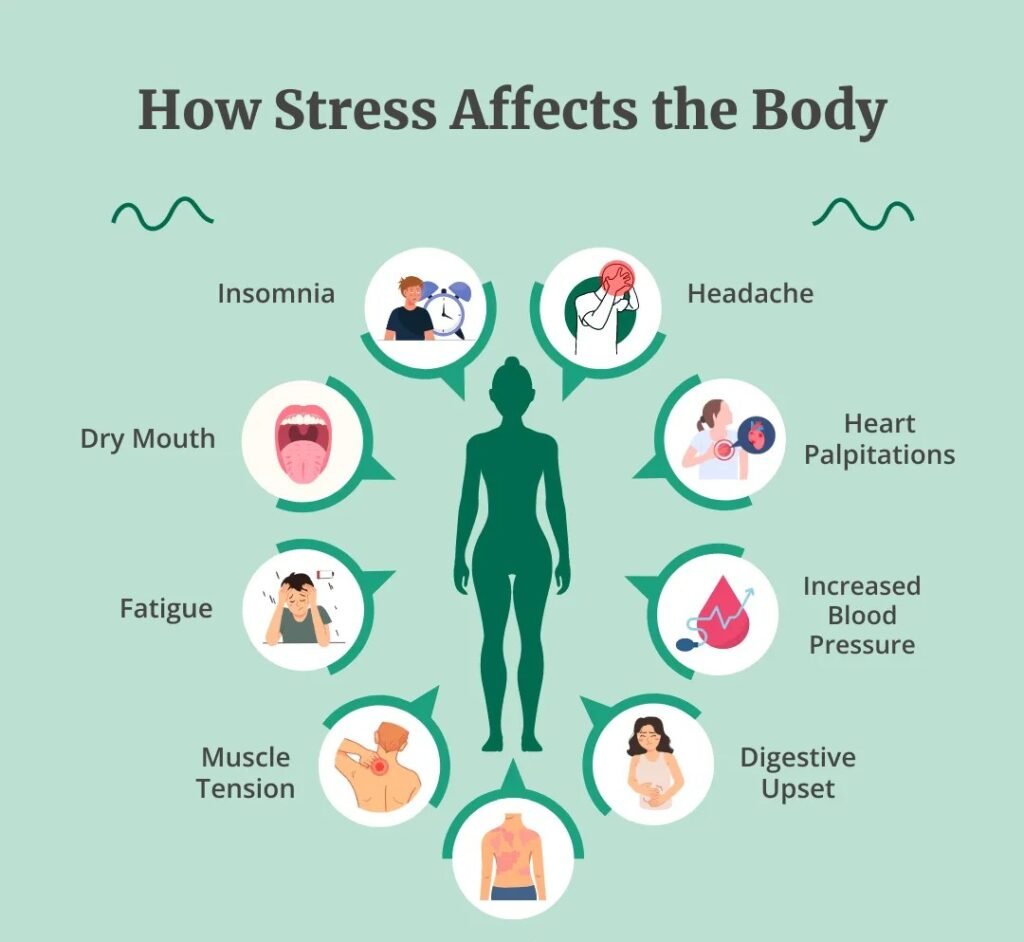
When you encounter something stressful, your brain triggers a response called ‘fight or flight.’ Your body releases stress hormones, mainly cortisol and adrenaline. Your heart rate goes up, your muscles tighten, and your mind goes into high alert.
This response was designed to protect us from physical danger. The problem is, your brain treats a work email the same way it treats a lion attack. The result is constant low-level stress that drains your energy and harms your health over time.
What happens when stress becomes chronic?
Chronic stress damages your immune system, disrupts sleep, contributes to weight gain, and increases your risk of heart disease. Studies from the American Psychological Association show that long-term stress is one of the leading contributors to anxiety, depression, and burnout.
The good news? Your body is fully capable of reversing this. You just need the right tools.
How Can You Reduce Stress Naturally and Quickly?
1. Deep breathing: The fastest natural stress reliever
Deep, slow breathing activates your parasympathetic nervous system, which is the body’s natural ‘calm down’ switch. When you breathe deeply, you send a direct signal to your brain that you are safe.
Try the 4-7-8 technique: Inhale for 4 seconds, hold for 7, exhale for 8. Do this three to four times. Research published in Frontiers in Psychology confirms this method reduces cortisol levels within minutes.
2. Get moving to release tension
Exercise is one of the most powerful natural stress reducers available. Physical activity releases endorphins, which are your body’s feel-good chemicals. Even a 20-minute walk can reduce anxiety and lift your mood.
You do not need a gym membership. A brisk walk in a park, a short home workout, or dancing to your favourite song all work. Movement breaks the stress cycle.
3. Spend time in nature
Japanese researchers found that walking in a forest for just 20 minutes significantly lowers cortisol. This practice, known as Shinrin-yoku or ‘forest bathing,’ is now used in stress management programs worldwide.
Even sitting near a window with plants, taking a walk in a garden, or spending lunch outside can help your nervous system reset.
4. Practice mindfulness meditation
Mindfulness is the practice of paying full attention to the present moment without judging it. It sounds simple, but it is backed by decades of neuroscience.
A Harvard study found that just 8 weeks of mindfulness meditation reduced symptoms of anxiety and stress in participants. You can start with just 5 minutes a day using free apps like Calm or Insight Timer.
5. Reduce caffeine and alcohol intake
Both caffeine and alcohol disrupt your body’s ability to manage stress. Caffeine spikes cortisol. Alcohol interferes with sleep and emotional regulation. Reducing both, especially in the afternoon and evening, can make a noticeable difference within days.
6. Connect with people you trust
Human connection is a biological need. Talking to a friend, having a hug, or even sharing a meal with someone you trust lowers cortisol and raises oxytocin, which is sometimes called the bonding hormone.
If you feel isolated, even a 10-minute video call with a loved one can take the edge off a stressful day.
7. Write it down
Journaling is one of the most underrated stress relief tools. When you write down your worries, you move them from your overloaded mind onto paper. This creates mental distance and often helps you see solutions you could not see before.
Try writing three things you are grateful for each morning. Gratitude journaling has been shown in multiple studies to reduce stress and increase overall wellbeing.
What Are the Best Herbal Remedies for Natural Stress Relief?
Several plant-based supplements are clinically studied for stress reduction:
- Ashwagandha: An adaptogen that significantly lowers cortisol in clinical trials
- Lavender: Research supports lavender aromatherapy for reducing anxiety
- Chamomile tea: Contains apigenin, a compound that calms the nervous system
- Valerian root: Helps with stress-related sleep problems
Always consult a healthcare provider before starting any supplement.
Simple Daily Habits You Can Start Today
- Start your morning with 5 minutes of deep breathing before checking your phone
- Take a 15-minute walk outside at lunch
- Write three things you are grateful for before bed
- Reduce screen time by one hour in the evening
- Make herbal tea your evening ritual instead of scrolling social media
- Say no to one unnecessary commitment each week
- Spend 10 minutes in silence every day
Common Mistakes to Avoid When Managing Stress
- Ignoring the warning signs until you burn out completely
- Turning to alcohol or junk food to cope
- Thinking you can just ‘push through’ without addressing the root cause
- Trying to do everything at once and overwhelming yourself further
- Neglecting sleep while trying to manage stress
- Isolating yourself when you feel overwhelmed
Frequently Asked Questions
Q: What is the fastest way to relieve stress naturally?
A: Deep breathing is the fastest. The 4-7-8 technique can calm your nervous system within minutes by activating the parasympathetic system.
Q: How long does it take for natural stress relief methods to work?
A: Some methods like deep breathing work in minutes. Longer-term practices like meditation and exercise typically show significant results within 2 to 4 weeks of consistent use.
Q: Can stress really make you physically sick?
A: Yes. Chronic stress weakens your immune system, raises blood pressure, disrupts hormones, and increases your risk of heart disease, digestive problems, and mental health conditions.
Q: Is exercise good for stress relief?
A: Absolutely. Exercise releases endorphins and reduces cortisol. Even light physical activity like walking has been shown to reduce stress within 20 minutes.
Q: What foods help reduce stress naturally?
A: Foods rich in magnesium such as leafy greens, nuts, and seeds, omega-3 fatty acids found in salmon and flaxseed, and complex carbohydrates all help regulate mood and reduce stress hormones.
Final Thoughts
Stress is not a life sentence. It is a signal that something needs to change. The natural tools you just read about are not complicated or expensive. They are practical, science-backed strategies that work when you use them consistently.
Start small. Pick just one habit from this article and commit to it for a week. Then add another. Over time, you will build a life that is genuinely calmer, healthier, and more fulfilling.
You deserve to feel good. And you have the power to make that happen, one breath, one step, one choice at a time.
Ready to live better? Visit MindFitGreen!
Your daily source for mental fitness, physical health, wellness, and eco-conscious living.

 Admin
Admin