 Admin
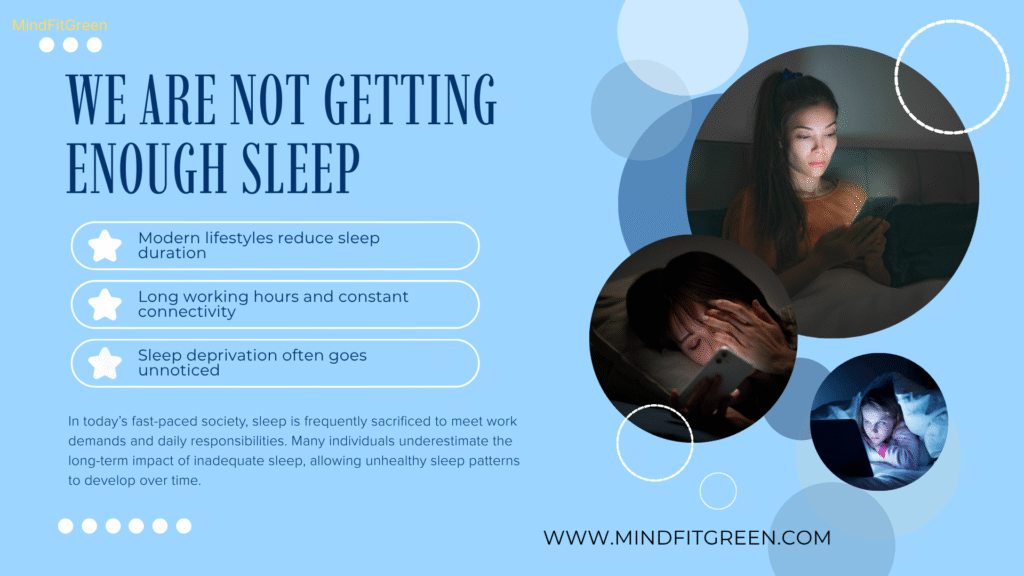
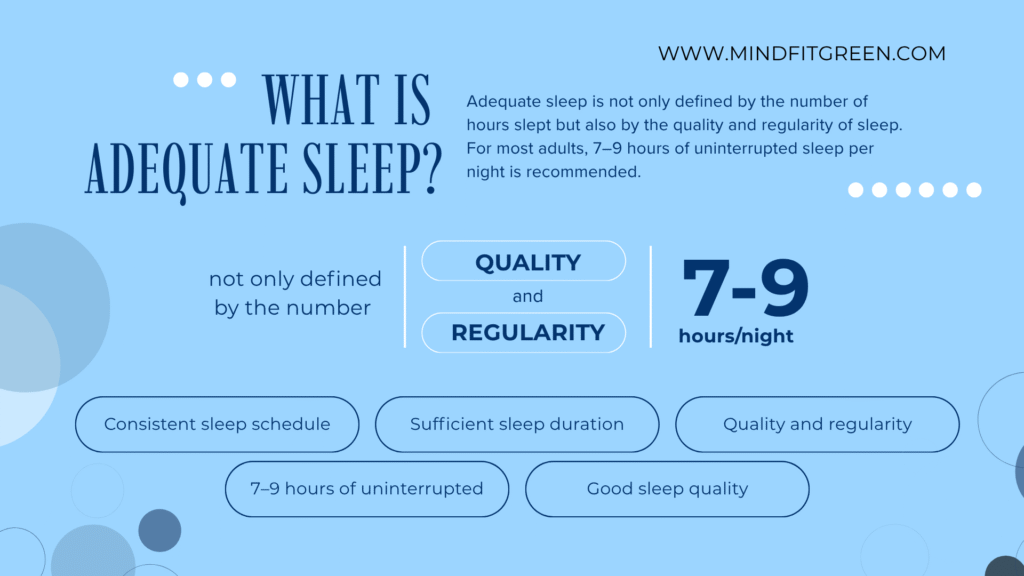
AdminYou lie in bed staring at the ceiling. It is midnight. You have work tomorrow. Your mind refuses to slow down. Sound familiar? Millions of people around the world struggle with poor sleep every single night.
But here is what most people do not realise: sleep is not just about rest. It is the foundation of everything. Your mental health, physical fitness, productivity, emotional balance, and even your weight all depend on the quality of your sleep.
The good news is that you can improve your sleep naturally without sleeping pills or expensive gadgets. Let’s break it down.
Why Is Sleep So Important for Your Health?
What does sleep actually do for your body?
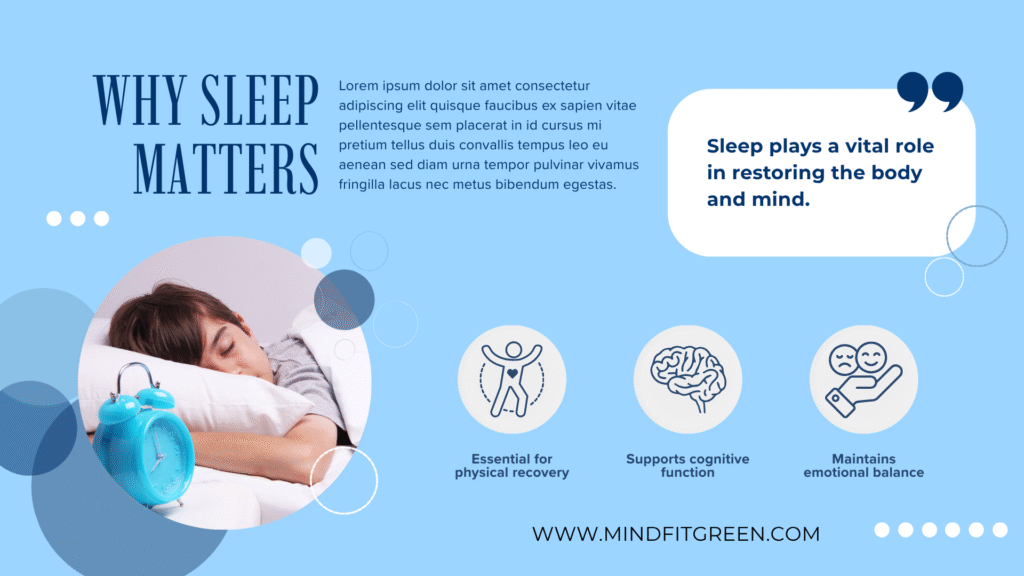
While you sleep, your body does most of its critical repair work. Your brain flushes out toxins, your muscles recover, your hormones reset, and your memories consolidate. The National Sleep Foundation recommends 7 to 9 hours for adults, and for good reason.
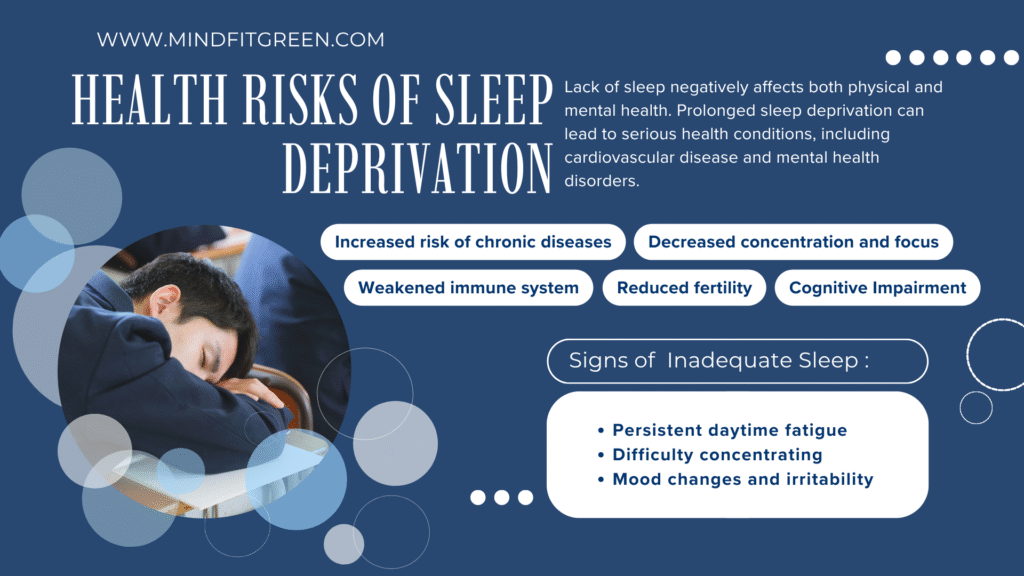
Poor sleep raises your cortisol levels, disrupts hunger hormones, weakens your immune system, and impairs your judgment. Studies link chronic sleep deprivation to increased risk of obesity, diabetes, heart disease, and depression.

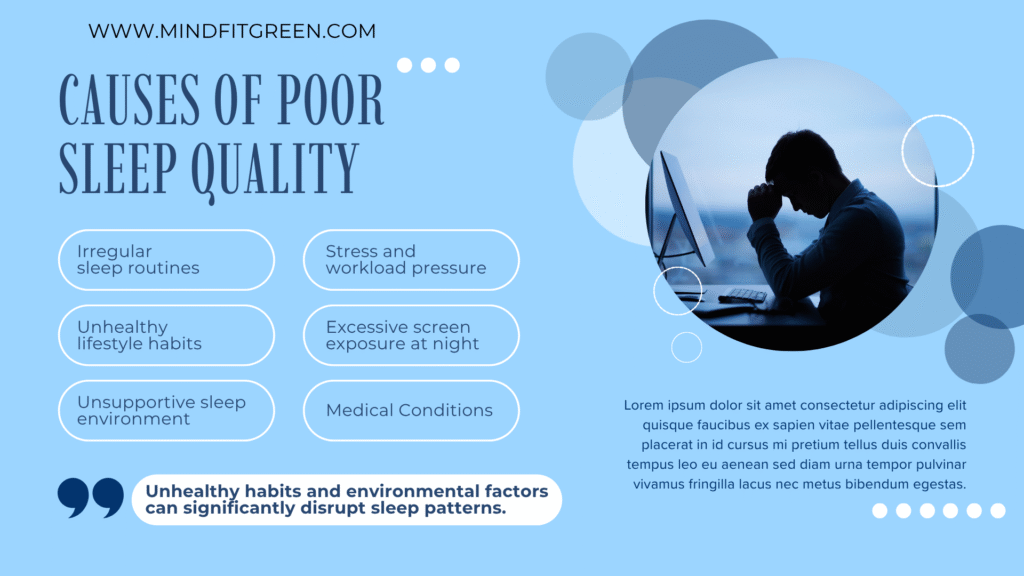
What causes poor sleep quality?
Common causes include stress and anxiety, irregular sleep schedules, too much screen time before bed, caffeine consumption late in the day, a bedroom environment that is too warm, too bright, or too noisy, and underlying health issues like sleep apnea.
How Can You Improve Sleep Quality Naturally?
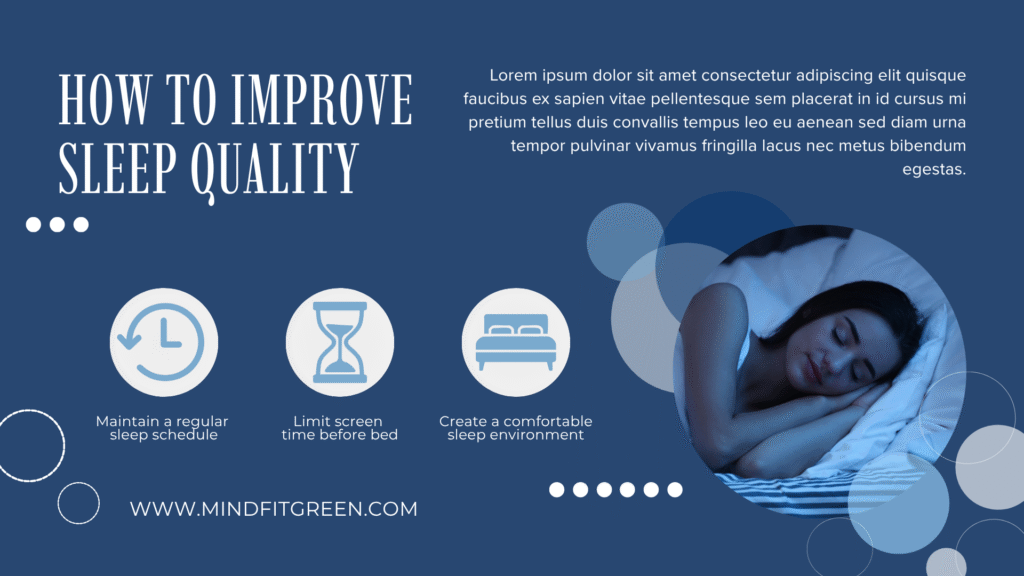
1. Create a consistent sleep schedule
Your body has an internal clock called the circadian rhythm. Going to bed and waking up at the same time every day, even on weekends, trains this clock and makes falling asleep much easier.
Try setting a fixed bedtime and sticking to it for two weeks. Many people notice significant improvement within just a few days.
2. Design a relaxing bedtime routine
Your brain needs a signal that it is time to wind down. A bedtime routine of 30 to 60 minutes helps make that transition. This could include a warm shower, light reading, gentle stretching, or listening to calm music.
Avoid stimulating activities like watching action-packed TV shows, scrolling social media, or having difficult conversations close to bedtime.
3. Limit blue light exposure in the evening
Turn off screens at least an hour before bed. If you must use your phone, switch it to night mode. Blue-light-blocking glasses can also help.
4. Optimise your bedroom for sleep
Your bedroom should be cool, dark, and quiet. The ideal sleep temperature is between 15 and 19 degrees Celsius or 60 to 67 Fahrenheit. Use blackout curtains to block light and consider a white noise machine or earplugs if noise is a problem.
Reserve your bed for sleep and intimacy only. Avoid working, eating, or watching TV in bed. This trains your brain to associate the bed with sleep.
5. Watch your diet close to bedtime
Avoid heavy meals, spicy foods, caffeine, and alcohol within three to four hours of bedtime. These all interfere with your ability to fall asleep or stay asleep.
If you are hungry before bed, a small snack like a banana, a handful of almonds, or warm milk can actually help. These contain tryptophan, magnesium, and melatonin precursors.
6. Try natural sleep aids
Several natural supplements are backed by research for improving sleep:
- Magnesium glycinate: Relaxes the nervous system and promotes deeper sleep
- Melatonin: Effective for resetting sleep schedules and jet lag
- Valerian root: Reduces the time it takes to fall asleep
- L-theanine: An amino acid found in green tea that promotes calm without drowsiness
7. Exercise regularly but not too close to bedtime
Regular physical activity dramatically improves sleep quality. It reduces anxiety, tires your body naturally, and helps regulate your circadian rhythm.
However, intense exercise within two to three hours of bedtime can have the opposite effect by raising your core temperature and heart rate. Aim to exercise in the morning or early afternoon.
What Are the Best Relaxation Techniques for Better Sleep?
- Progressive muscle relaxation: Tense and release each muscle group from your feet to your face
- 4-7-8 breathing: Inhale 4 counts, hold 7, exhale 8. Repeat three times
- Guided sleep meditation: Use an app like Calm or Headspace
- Yoga nidra: A guided yogic sleep technique proven to improve sleep quality
Simple Daily Habits You Can Start Tonight
- Set a fixed bedtime and a morning alarm and stick to both
- Turn off your phone 60 minutes before bed
- Keep your bedroom at a cool temperature
- Write down tomorrow’s to-do list before sleeping to clear your mind
- Drink chamomile or passionflower tea in the evening
- Do 5 minutes of slow, deep breathing as you lie down
Common Mistakes to Avoid
- Using your phone as an alarm clock and checking it immediately when you wake up
- Drinking coffee after 2 pm
- Taking long naps late in the afternoon
- Watching stressful or emotionally intense content before bed
- Relying on alcohol to fall asleep
- Varying your wake-up time drastically on weekends
Frequently Asked Questions
Q: How long does it take to improve sleep quality naturally?
A: Most people start noticing improvement within 1 to 2 weeks of consistent habit changes. Full circadian rhythm adjustment typically takes 3 to 4 weeks.
Q: What is the best natural sleep supplement?
A: Magnesium glycinate and melatonin are among the most well-researched. Always start with the lowest effective dose and consult a doctor if you have health conditions.
Q: Is it bad to sleep less than 7 hours?
A: Yes, consistently sleeping less than 7 hours is linked to a wide range of health problems including weakened immunity, weight gain, poor concentration, and increased risk of chronic disease.
Q: Does drinking water before bed help sleep?
A: Staying hydrated throughout the day helps sleep quality, but drinking too much right before bed can disrupt your sleep with bathroom trips. Aim to hydrate well during the day and reduce intake in the two hours before bed.
Q: Can anxiety cause poor sleep?
A: Absolutely. Anxiety and poor sleep feed each other in a cycle. Addressing stress and anxiety through the techniques in this article will directly improve your sleep.
Final Thoughts
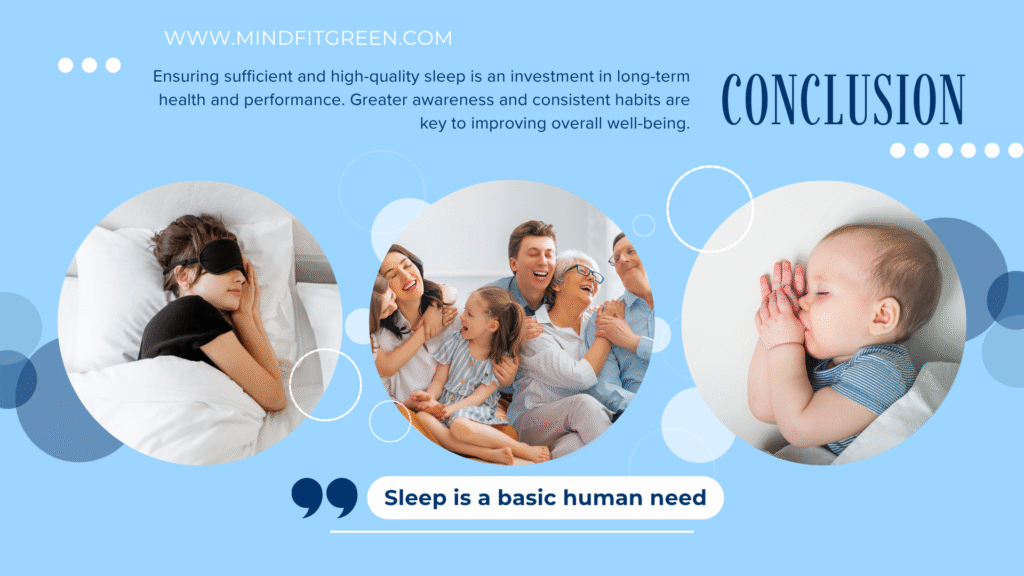
Sleep is not a luxury. It is a biological necessity. When you sleep well, everything else in your life gets better. You think more clearly, you feel more energetic, you handle stress better, and you make healthier choices.
The strategies in this article are simple but powerful. You do not have to implement all of them at once. Start with one or two changes tonight, and build from there.
Your best night’s sleep is closer than you think.
Ready to live better? Visit MindFitGreen!
Your daily source for mental fitness, physical health, wellness, and eco-conscious living.


 Jason Reed, Certified Health Coach & Wellness Writer
 Admin
Admin