 Admin
AdminNigerian leafy green vegetables are among the most nutritious foods you can add to your meals. They are affordable, widely available, and packed with vitamins, minerals, antioxidants, and dietary fiber that support overall health. Whether your goal is to lose weight, manage diabetes, strengthen your immune system, or improve your heart health, these vegetables can play an important role in a balanced diet.
Many Nigerians enjoy leafy vegetables in soups, stews, salads, and smoothies. Beyond their delicious taste, they provide essential nutrients that help protect the body from chronic diseases while supporting healthy digestion, strong bones, and better energy levels.
In this guide, you’ll discover the nutritional benefits of 10 popular Nigerian leafy green vegetables, learn how to cook them without losing important nutrients, and find practical tips for including more greens in your everyday meals.
Why Nigerian Leafy Green Vegetables Are Considered Superfoods
Leafy vegetables are often called superfoods because they contain high amounts of nutrients while remaining low in calories. Most are rich in:
- Vitamin A for healthy vision and immune function
- Vitamin C for collagen production and immunity
- Vitamin K for healthy blood clotting and bone health
- Folate for healthy cell growth
- Iron for red blood cell production
- Calcium for strong bones and teeth
- Potassium for healthy blood pressure
- Magnesium for muscle and nerve function
- Fiber for digestion and weight management
- Antioxidants that help protect cells from damage
Eating a variety of leafy vegetables regularly can help reduce the risk of obesity, type 2 diabetes, heart disease, and certain forms of cancer when combined with an overall healthy lifestyle.
1. Ugu (Fluted Pumpkin Leaves)
Nutrition Highlights
Ugu is one of Nigeria’s most popular leafy vegetables. It contains:
- Iron
- Calcium
- Potassium
- Vitamins A, C, and E
- Folate
- Dietary fiber
Health Benefits of Ugu
Supports Healthy Blood Production
Ugu is naturally rich in iron and folate, nutrients your body needs to produce healthy red blood cells. This makes it an excellent addition to diets aimed at reducing the risk of iron deficiency.
Boosts the Immune System
Vitamin C helps strengthen your immune system by supporting the body’s natural defenses against infections.
Promotes Healthy Eyesight
The vitamin A found in ugu helps maintain healthy vision and supports eye health as you age.
Supports Heart Health
Its potassium content may help maintain healthy blood pressure when consumed as part of a balanced diet.
May Support Weight Loss
Because ugu is low in calories and high in fiber, it helps you feel full longer without adding excessive calories to your meals.
Best Ways to Eat Ugu
- Add it to egusi soup.
- Cook it with ogbono soup.
- Mix it into vegetable soup.
- Blend fresh leaves into smoothies.
- Add chopped leaves to omelets.
2. Bitter Leaf (Vernonia amygdalina)
Despite its bitter taste, bitter leaf remains one of the most valued medicinal vegetables in Nigeria.
Nutrition Highlights
Bitter leaf contains:
- Vitamins A and C
- Calcium
- Potassium
- Zinc
- Iron
- Polyphenols
- Flavonoids
Health Benefits of Bitter Leaf
Helps Support Healthy Blood Sugar Levels
Research suggests that compounds found in bitter leaf may help improve glucose metabolism. It should not replace prescribed diabetes medication, but it can be part of a healthy eating plan.
Supports Liver Health
Traditional diets often include bitter leaf because it contains plant compounds that support normal liver function.
Promotes Healthy Digestion
Its bitter compounds stimulate digestive juices that may improve digestion.
Rich in Antioxidants
Antioxidants help reduce oxidative stress, which is linked to many chronic diseases.
May Reduce Inflammation
Natural anti-inflammatory compounds found in bitter leaf may support overall wellness.
How to Reduce the Bitterness
- Wash gently with clean water instead of excessive squeezing.
- Avoid removing all the bitter compounds, as many beneficial nutrients are found in them.
- Cook with tomatoes, onions, and healthy spices to balance the flavor.
3. Waterleaf (Talinum triangulare)
Waterleaf is common in southern Nigeria and is known for its soft texture and high moisture content.
Nutrition Highlights
Waterleaf provides:
- Calcium
- Magnesium
- Vitamin C
- Potassium
- Fiber
Health Benefits
Helps Keep the Body Hydrated
Its naturally high water content contributes to hydration, especially during hot weather.
Supports Strong Bones
Calcium and magnesium work together to maintain healthy bones and teeth.
Promotes Healthy Skin
Vitamin C helps the body produce collagen, which supports healthy skin.
Supports Digestion
The fiber found in waterleaf encourages healthy bowel movements and supports gut health.
Low in Calories
Waterleaf is an excellent vegetable for people looking to maintain a healthy weight.
How to Enjoy Waterleaf
- Edikang Ikong
- Afang soup
- Vegetable soup
- Fresh salads
- Green smoothies
4. Scent Leaf (Ocimum gratissimum)
Scent leaf is valued not only for its aroma but also for its medicinal properties.
Nutrition Highlights
It contains:
- Vitamin A
- Vitamin C
- Calcium
- Iron
- Essential oils
- Antioxidants
Health Benefits
Supports Healthy Digestion
Scent leaf has traditionally been used to relieve stomach discomfort and improve digestion.
May Help Fight Harmful Microorganisms
Its natural essential oils have antibacterial and antifungal properties.
Supports Respiratory Health
Many people drink scent leaf tea to help soothe coughs and clear congestion.
Boosts Immunity
The antioxidants in scent leaf help support the body’s defense system.
Freshens Breath Naturally
Chewing fresh leaves may help reduce bad breath caused by bacteria.
Best Ways to Eat Scent Leaf
- Pepper soup
- Herbal tea
- Vegetable soup
- Fresh salads
- Green juice
5. Ewedu (Jute Leaves)
Ewedu is especially popular in southwestern Nigeria and is often served with amala.
Nutrition Highlights
Ewedu contains:
- Fiber
- Calcium
- Iron
- Vitamin A
- Vitamin C
- Potassium
Health Benefits
Supports Digestive Health
The soluble fiber in ewedu promotes healthy digestion and supports beneficial gut bacteria.
Helps Maintain Healthy Cholesterol Levels
Fiber can contribute to healthy cholesterol levels as part of a balanced diet.
Supports Heart Health
Potassium helps maintain healthy blood pressure.
Strengthens Bones
Calcium contributes to bone strength and reduces the risk of bone loss as people age.
Helps Improve Skin Health
Vitamin A supports healthy skin renewal.
Best Ways to Prepare Ewedu
- Fresh ewedu soup
- Combined with gbegiri
- Served with amala
- Added to vegetable stews
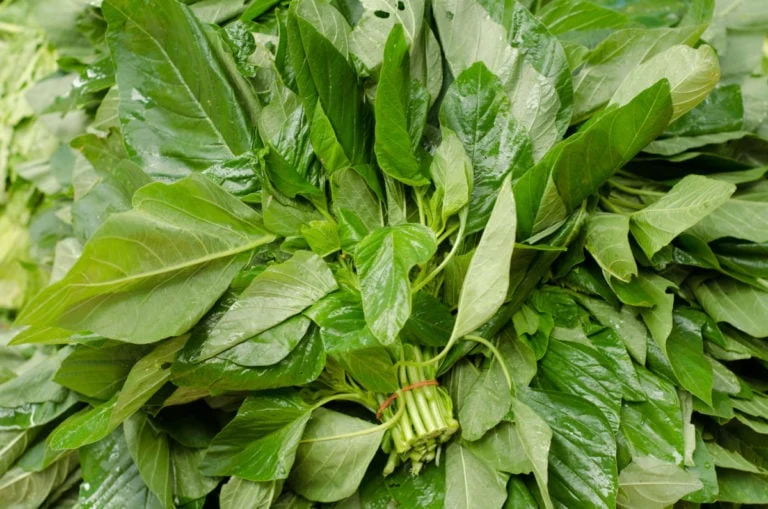
6. Amaranth Greens (Green)
Amaranth greens, commonly called green in many parts of Nigeria, are nutrient-rich leafy vegetables that deserve a regular place on your plate. They cook quickly, taste great in soups and stews, and provide several important vitamins and minerals.
Nutrition Highlights
Amaranth greens are rich in:
- Vitamin A
- Vitamin C
- Vitamin K
- Folate
- Iron
- Calcium
- Magnesium
- Potassium
- Dietary fiber
Health Benefits of Amaranth Greens
Helps Prevent Iron Deficiency
Amaranth is a good source of iron, which helps your body produce healthy red blood cells. Eating iron-rich vegetables alongside foods high in vitamin C can improve iron absorption.
Supports Healthy Pregnancy
The folate in amaranth supports healthy fetal development. Pregnant women should still follow their healthcare provider’s advice on prenatal nutrition and supplements.
Promotes Strong Bones
Calcium, magnesium, and vitamin K work together to maintain healthy bones and teeth.
Supports Healthy Digestion
The fiber in amaranth helps keep your digestive system working well and may reduce constipation.
May Support Heart Health
Its potassium content supports healthy blood pressure when combined with a balanced diet that is low in excess salt.
How to Eat Amaranth Greens
- Cook with tomatoes and onions.
- Add to vegetable soup.
- Mix into stews.
- Stir-fry with garlic and peppers.
7. Spinach
Although spinach is not native to Nigeria, it is widely grown and eaten across the country. It is one of the most nutrient-dense vegetables available.
Nutrition Highlights
Spinach contains:
- Vitamin A
- Vitamin C
- Vitamin K
- Iron
- Magnesium
- Folate
- Potassium
- Fiber
Health Benefits of Spinach
Supports Eye Health
Spinach contains lutein and zeaxanthin, antioxidants that help protect the eyes from age-related damage.
Helps Maintain Healthy Muscles
Magnesium supports normal muscle function and energy production, making spinach a good choice for active individuals.
Supports Brain Health
The combination of antioxidants and folate may help support normal brain function as part of an overall healthy diet.
Promotes Healthy Digestion
Fiber helps improve bowel movements and supports a healthy gut microbiome.
May Reduce Inflammation
Spinach contains plant compounds that help protect cells from oxidative stress.
Easy Ways to Add Spinach to Your Diet
- Blend into smoothies.
- Add to scrambled eggs.
- Cook with beans.
- Mix into soups and sauces.
- Prepare as a side dish.
8. Utazi
Utazi has a slightly bitter taste that adds depth to many Nigerian dishes. Beyond its flavor, it contains valuable nutrients and plant compounds.
Nutrition Highlights
Utazi provides:
- Vitamin C
- Calcium
- Iron
- Fiber
- Antioxidants
Health Benefits of Utazi
Supports Digestion
Utazi has traditionally been used to improve digestion and reduce bloating after meals.
May Help Manage Blood Sugar
Some studies suggest that compounds in utazi may support healthy blood sugar levels. More research is needed, and it should not replace medical treatment.
Rich in Antioxidants
Its antioxidants help protect the body’s cells from damage caused by free radicals.
Supports Appetite Regulation
The slightly bitter taste may help stimulate digestion and improve appetite in some people.
Best Ways to Eat Utazi
- Pepper soup
- Nkwobi
- Isi ewu
- Salads
- Herbal tea
9. Curry Leaves
Curry leaves are becoming more popular in Nigerian kitchens. They are commonly used to add flavor to meals while providing beneficial nutrients.
Nutrition Highlights
Curry leaves contain:
- Vitamin A
- Vitamin C
- Calcium
- Iron
- Fiber
- Antioxidants
Health Benefits of Curry Leaves
Supports Healthy Cholesterol Levels
Some research suggests curry leaves may help support healthy cholesterol levels when combined with a healthy lifestyle.
Helps Protect Cells
Their antioxidant compounds help reduce oxidative stress in the body.
Supports Hair and Skin Health
Vitamin A and antioxidants contribute to healthy skin and may support healthy hair growth.
Promotes Healthy Digestion
Curry leaves have long been used to support normal digestion and reduce stomach discomfort.
How to Use Curry Leaves
- Add fresh leaves to soups.
- Use in rice dishes.
- Blend into sauces.
- Add to vegetable stir-fries.
10. Moringa Leaves
Moringa is often called the miracle tree because nearly every part of the plant is useful. Its leaves are especially nutritious and are widely consumed fresh or dried.
Nutrition Highlights
Moringa leaves contain:
- Vitamin A
- Vitamin C
- Vitamin E
- Calcium
- Potassium
- Iron
- Protein
- Magnesium
- Antioxidants
Health Benefits of Moringa
Supports the Immune System
Vitamins A and C help strengthen the body’s natural defenses against illness.
Helps Build Strong Bones
Calcium and magnesium contribute to healthy bones and teeth.
Provides Plant-Based Protein
Moringa contains more protein than many other leafy vegetables, making it a useful addition to plant-based diets.
Supports Healthy Energy Levels
Its iron content helps support normal oxygen transport throughout the body.
Rich in Antioxidants
Moringa contains plant compounds that help protect cells from oxidative damage.
Ways to Enjoy Moringa
- Fresh leaves in soup
- Moringa tea
- Smoothies
- Sprinkle dried moringa powder over meals
- Add to vegetable sauces
Comparison Table of Nigerian Leafy Green Vegetables
| Vegetable | Key Nutrients | Main Health Benefit |
|---|---|---|
| Ugu | Iron, Vitamin C | Supports healthy blood production |
| Bitter Leaf | Polyphenols, Vitamin C | Supports healthy blood sugar and digestion |
| Waterleaf | Calcium, Magnesium | Supports bone health and hydration |
| Scent Leaf | Essential oils, Vitamin A | Supports immunity and digestion |
| Ewedu | Fiber, Potassium | Promotes gut and heart health |
| Amaranth | Iron, Folate | Supports pregnancy and healthy blood |
| Spinach | Magnesium, Vitamin K | Supports muscles and eye health |
| Utazi | Antioxidants, Fiber | Supports digestion |
| Curry Leaves | Vitamin A, Antioxidants | Supports heart and skin health |
| Moringa | Protein, Iron, Calcium | Supports overall nutrition and immunity |
How to Cook Nigerian Leafy Green Vegetables Without Losing Nutrients
The way you prepare vegetables can affect how many nutrients they retain. Follow these tips to get the most from your meals.
1. Wash Before Cutting
Wash vegetables thoroughly before chopping them. Cutting first can allow water-soluble vitamins to leach into the water.
2. Avoid Overcooking
Cook vegetables for only a few minutes until they become tender. Long cooking times reduce the levels of vitamin C and some B vitamins.
3. Use Minimal Water
Steaming or sautéing with a small amount of water helps preserve nutrients better than boiling in large amounts of water.
4. Add Vegetables Last
If you’re making soup or stew, add leafy vegetables toward the end of cooking to reduce heat exposure.
5. Pair with Healthy Fats
Adding moderate amounts of healthy fats, such as olive oil, avocado, or traditional red palm oil, can improve the absorption of fat-soluble vitamins like vitamins A and K.
6. Eat a Variety
No single vegetable provides every nutrient. Rotate different leafy vegetables throughout the week to enjoy a wider range of vitamins, minerals, and beneficial plant compounds.
Who Should Eat More Nigerian Leafy Green Vegetables?
Most people can benefit from eating more leafy vegetables as part of a balanced diet. Here are some groups that may especially benefit.
People Looking to Lose Weight
Leafy vegetables are naturally low in calories and high in fiber. They help you feel full for longer, making it easier to reduce excess calorie intake without feeling hungry. Pair them with lean protein, whole grains, and healthy fats for satisfying meals.
People Living With Diabetes
Many Nigerian leafy green vegetables have a low glycemic impact and provide fiber that supports healthy blood sugar management. While vegetables are an excellent addition to a diabetes-friendly eating plan, they should complement, not replace, prescribed medications or medical advice.
People With High Blood Pressure
Vegetables such as ugu, ewedu, spinach, and amaranth provide potassium, a mineral that helps maintain healthy blood pressure when eaten as part of a diet low in sodium.
Pregnant Women
Leafy vegetables provide folate, iron, calcium, and vitamin C, which are important during pregnancy. However, pregnant women should continue taking prenatal supplements as recommended by their healthcare provider and ensure vegetables are washed thoroughly before cooking.
Children
Growing children need vitamins and minerals for healthy development. Including leafy vegetables in soups, stews, sauces, and rice dishes is a simple way to increase their nutrient intake.
Older Adults
As people age, they may need more calcium, vitamin K, magnesium, and fiber to support bone health, digestion, and overall wellness. Leafy vegetables can help meet these nutritional needs.
Vegetarians and Vegans
Leafy vegetables provide plant-based sources of iron, calcium, folate, and other nutrients. Combining them with legumes, nuts, seeds, and vitamin C-rich fruits can help improve nutrient intake.
Read More: Canker Sores (Mouth Ulcers): Causes, Treatment and When to See a Doctor
Possible Side Effects and Precautions
Although Nigerian leafy green vegetables are highly nutritious, there are a few things to keep in mind.
Some Vegetables Are High in Oxalates
Vegetables such as spinach contain oxalates, which may contribute to kidney stone formation in people who are susceptible. If you have a history of kidney stones, speak with your healthcare provider about the right amount to eat.
Vitamin K Can Affect Blood-Thinning Medication
Leafy vegetables rich in vitamin K can affect how blood-thinning medicines such as warfarin work. If you take these medications, maintain a consistent intake of vitamin K-rich foods and follow your healthcare provider’s advice.
Increase Fiber Gradually
If you are not used to eating a lot of fiber, increase your vegetable intake gradually and drink enough water. This can help reduce bloating or digestive discomfort.
Wash Vegetables Thoroughly
Fresh vegetables may contain soil, pesticides, or harmful microorganisms. Wash them well under clean running water before cooking or eating.
Frequently Asked Questions
1. Which Nigerian leafy green vegetable is the healthiest?
There is no single healthiest option. Ugu, moringa, spinach, bitter leaf, and amaranth all provide unique nutrients. Eating a variety of leafy vegetables is the best way to enjoy a wide range of health benefits.
2. Is ugu healthier than spinach?
Both are excellent choices. Ugu is particularly valued for its iron and vitamin C content, while spinach provides magnesium, vitamin K, and antioxidants such as lutein and zeaxanthin. Including both in your diet offers the greatest nutritional benefit.
3. Can leafy vegetables help lower blood pressure?
Yes. Many leafy vegetables contain potassium, fiber, and antioxidants that support healthy blood pressure as part of an overall heart-healthy lifestyle. They are not a substitute for prescribed medication.
4. Which Nigerian vegetable is best for anemia?
Iron-rich vegetables such as ugu, amaranth, spinach, and moringa can support healthy red blood cell production. Pair them with vitamin C-rich foods like oranges, guava, or tomatoes to improve iron absorption.
5. Can people with diabetes eat leafy vegetables every day?
Yes. Most leafy vegetables are low in carbohydrates and high in fiber, making them a healthy choice for people with diabetes. A registered dietitian or healthcare provider can help tailor portion sizes to individual needs.
6. What is the best way to cook leafy vegetables?
Steam, sauté, or cook vegetables briefly with minimal water. Avoid overcooking, as prolonged heat can reduce the levels of certain vitamins.
7. Which leafy vegetables boost immunity?
Ugu, moringa, scent leaf, spinach, and bitter leaf all contain vitamins A and C along with antioxidants that support a healthy immune system.
8. Are leafy vegetables good for weight loss?
Yes. They are filling, low in calories, and rich in fiber, making them an excellent addition to meals aimed at healthy weight management.
9. How many times should I eat leafy vegetables each week?
Health experts generally recommend eating vegetables every day. Aim to include leafy greens in several meals throughout the week as part of a varied and balanced diet.
10. Can I eat leafy vegetables raw?
Some vegetables, such as spinach and amaranth, can be eaten raw if they are washed thoroughly. Others, including bitter leaf and ugu, are more commonly cooked to improve flavor and texture.
Conclusion
Nigerian leafy green vegetables are among the most affordable and nutrient-dense foods available. Whether you enjoy ugu, bitter leaf, waterleaf, scent leaf, ewedu, amaranth, spinach, utazi, curry leaves, or moringa, each one offers unique health benefits that can support your overall well-being.
Including a variety of leafy vegetables in your weekly meals can help you increase your intake of essential vitamins, minerals, fiber, and antioxidants. Combined with regular physical activity, adequate sleep, and a balanced diet, these vegetables can contribute to better heart health, stronger immunity, healthy digestion, and improved weight management.
Remember that no single food can prevent or cure disease. The greatest health benefits come from eating a wide variety of nutritious foods and following advice from qualified healthcare professionals when managing a medical condition.

 Admin
Admin