 Admin
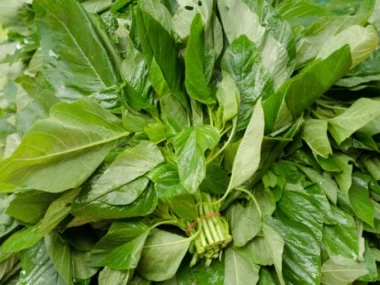
AdminGongronema latifolium, commonly known as Utazi in Nigeria, is more than a flavorful vegetable. For generations, people across West Africa have used its leaves and stems in traditional cooking and herbal medicine. Today, researchers continue to study the plant because of its rich nutritional profile and the bioactive compounds that may support overall health.
The leaves have a distinctive bitter and slightly sweet taste, making them a popular ingredient in soups, sauces, salads, and herbal drinks. Beyond their culinary use, Utazi leaves contain antioxidants, vitamins, minerals, flavonoids, saponins, alkaloids, and other plant compounds that scientists believe may contribute to several health benefits.
Although many laboratory and animal studies have reported promising results, more human clinical research is still needed to confirm many of these effects. Therefore, Utazi should be viewed as a nutritious food rather than a replacement for prescribed medical treatment.
In this guide, you’ll learn everything you need to know about Gongronema latifolium, including its nutritional value, science-backed health benefits, medicinal uses, possible side effects, and the best ways to include it in your diet.
What Is Gongronema latifolium (Utazi)?
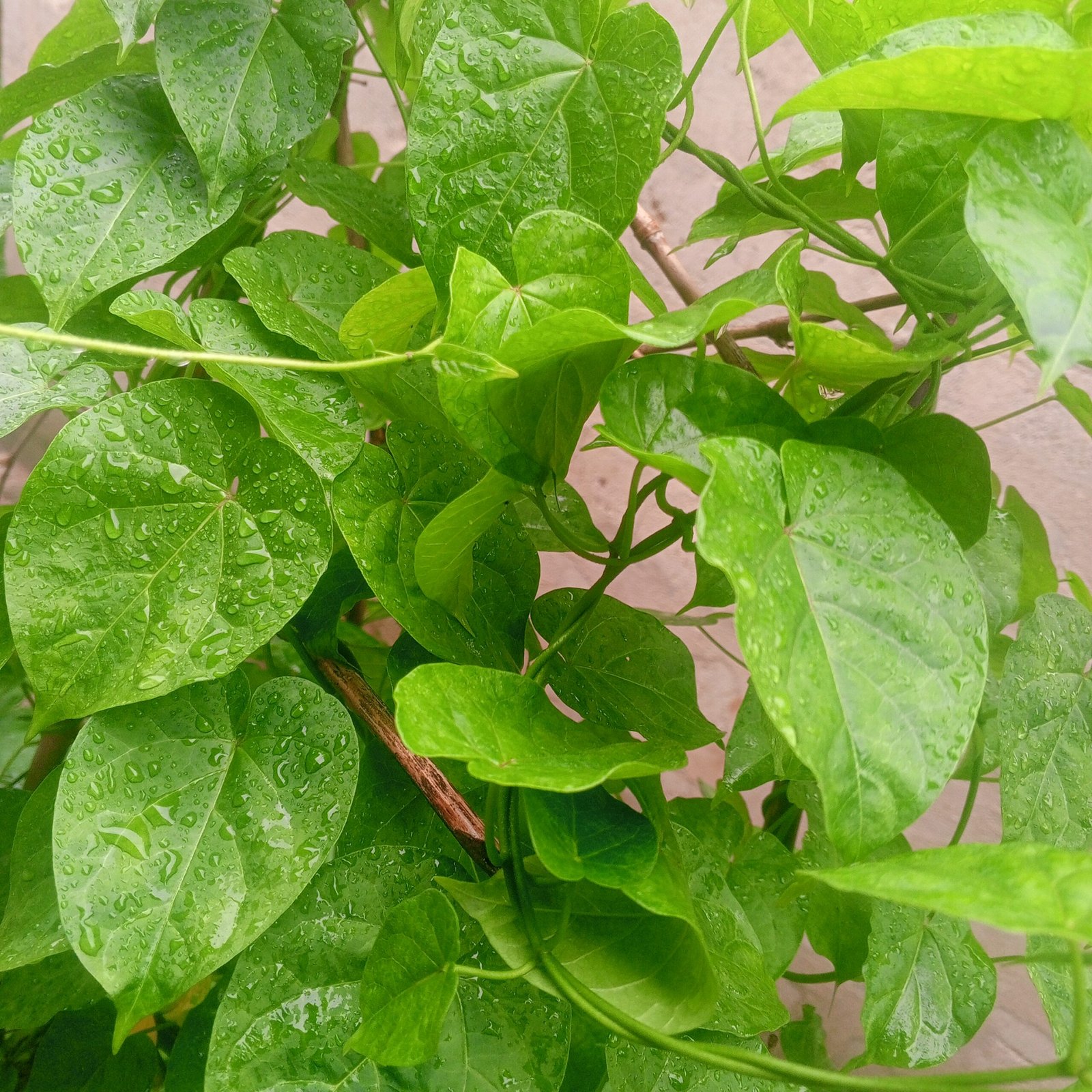
Gongronema latifolium is a climbing medicinal plant native to tropical Africa. It belongs to the Apocynaceae family and grows naturally in countries such as Nigeria, Ghana, Cameroon, Sierra Leone, Senegal, and Guinea-Bissau.
The plant produces green leaves with a mildly bitter taste and a soft stem that releases a white latex when cut. While many people know Utazi as a soup vegetable, traditional communities have long used different parts of the plant to support digestion and general wellness.
In Nigeria, the plant is known by several local names:
- Utazi (Igbo)
- Utasi (Efik and Ibibio)
- Arokeke (Yoruba)
- Iteji (Ikale)
- Ndodo-Polole (Sierra Leone)
Today, Utazi is available fresh, dried, or ground into powder, making it easy to use throughout the year.
Nutritional Value of Utazi Leaves
One reason nutrition experts appreciate Utazi is its impressive nutrient profile.
The leaves provide:
- Dietary protein
- Dietary fiber
- Healthy plant fats
- Vitamin A
- Vitamin C
- Vitamin E
- Thiamine (Vitamin B1)
- Riboflavin (Vitamin B2)
- Niacin (Vitamin B3)
They also contain important minerals such as:
- Calcium
- Potassium
- Magnesium
- Iron
- Zinc
- Copper
- Phosphorus
In addition, Utazi supplies several essential amino acids that the body requires for tissue repair, muscle maintenance, enzyme production, and healthy metabolism.
Bioactive Compounds Found in Utazi
Researchers have identified numerous plant compounds that may contribute to Utazi’s medicinal properties.
These include:
- Flavonoids
- Saponins
- Polyphenols
- Alkaloids
- Tannins
- Terpenoids
- Cardiac glycosides
- Phytosterols
- Essential oils
- Pregnane glycosides
These compounds are widely studied because of their antioxidant, antimicrobial, anti-inflammatory, and metabolic activities.
15 Science-Backed Health Benefits of Gongronema latifolium
1. Rich in Antioxidants That Help Protect Your Cells
One of the best-known health benefits of Gongronema latifolium is its high antioxidant content.
Every day, your body produces unstable molecules called free radicals during normal metabolism. Environmental pollution, smoking, excessive alcohol intake, and unhealthy diets can increase these molecules even further.
When free radicals accumulate, they create oxidative stress that may damage healthy cells over time.
Utazi contains antioxidants such as flavonoids, vitamin C, vitamin E, and polyphenols that help neutralize free radicals. Laboratory studies have shown that extracts of Gongronema latifolium can increase the activity of antioxidant enzymes while reducing markers associated with oxidative stress.
Adding antioxidant-rich vegetables like Utazi to a balanced diet may help support healthy aging and overall wellness.
2. Helps Support Healthy Blood Sugar Levels
Many people search for “Is Utazi good for diabetes?” because traditional medicine has long used the plant to support blood sugar management.
Animal studies suggest that extracts from the leaves, stems, and roots may improve glucose regulation and reduce blood sugar levels. Researchers believe several plant compounds may improve how the body responds to insulin while supporting glucose metabolism.
Although these findings are encouraging, scientists still need well-designed human studies before recommending Utazi as a treatment for diabetes.
If you have diabetes, continue taking your prescribed medications and consult your healthcare provider before using herbal remedies.
3. Supports Heart Health
Heart disease remains one of the leading causes of death worldwide. A healthy diet rich in vegetables plays an important role in reducing cardiovascular risk.
Utazi contains nutrients and plant compounds that may support heart health in several ways.
Research suggests that extracts of Gongronema latifolium may:
- Help maintain healthy cholesterol levels
- Reduce oxidative stress
- Support healthy blood vessels
- Help protect heart tissues from inflammation
The plant also provides potassium, which contributes to normal muscle function, including the heart.
Eating Utazi as part of a diet rich in fruits, vegetables, whole grains, and lean proteins may contribute to better cardiovascular health.
4. Helps Reduce Inflammation
Inflammation is the body’s natural response to injury and infection. However, long-term inflammation has been linked to conditions such as arthritis, obesity, diabetes, and cardiovascular disease.
Experimental studies have shown that Gongronema latifolium extracts may reduce inflammatory responses in laboratory animals.
Scientists believe compounds such as flavonoids and saponins help regulate inflammatory pathways.
Although more human studies are needed, including anti-inflammatory vegetables like Utazi in your meals can contribute to a healthy dietary pattern.
5. Helps Fight Harmful Microorganisms
Another interesting area of research involves Utazi’s antimicrobial activity.
Laboratory studies have shown that extracts from the leaves may inhibit the growth of several bacteria, including species of Staphylococcus, Salmonella, Escherichia coli, Listeria, and Pseudomonas under experimental conditions.
These findings suggest that some compounds in the plant possess natural antimicrobial properties.
However, eating Utazi should never replace antibiotics or other treatments prescribed by a qualified healthcare professional for bacterial infections.
6. Supports Liver Health
The liver plays a vital role in filtering toxins, processing nutrients, producing bile, and regulating many metabolic functions. Keeping your liver healthy is essential for overall well-being.
Several laboratory studies have explored whether Gongronema latifolium may help protect the liver from damage. Researchers found that animals given Utazi leaf extract showed lower levels of liver enzymes such as alanine aminotransferase (ALT), aspartate aminotransferase (AST), and alkaline phosphatase (ALP). Elevated levels of these enzymes often indicate liver injury.
Scientists also observed reduced oxidative stress in the liver, suggesting that the plant’s antioxidant compounds may help protect liver cells from damage caused by toxins.
Although these findings are promising, they come mainly from animal studies. More human clinical trials are needed before Utazi can be recommended as a treatment for liver disease.
How to Use Utazi for Liver Health
You can include fresh or cooked Utazi leaves in your regular meals as part of a balanced diet. Some people also drink Utazi tea, although there is limited scientific evidence on the ideal preparation or dosage for liver health.
7. Helps Protect Kidney Function
Healthy kidneys remove waste products, balance body fluids, and regulate important minerals in the blood.
Research involving laboratory animals suggests that Gongronema latifolium may help support kidney function. Studies reported lower blood levels of urea and creatinine, two markers commonly used to assess kidney health.
Scientists believe the antioxidant compounds in Utazi may help reduce oxidative damage that contributes to kidney injury.
However, these results should not be interpreted as proof that Utazi can treat kidney disease. Anyone with chronic kidney disease should follow medical advice before adding herbal products to their diet.
8. Improves Digestion
One of the oldest traditional uses of Utazi is to support digestive health.
Across many Nigerian communities, people eat fresh Utazi leaves after meals because they believe the plant helps digestion and reduces stomach discomfort.
Its slightly bitter taste may stimulate digestive secretions, which can support the breakdown of food.
Traditional medicine has also used Gongronema latifolium for:
- Mild stomach pain
- Indigestion
- Loss of appetite
- Intestinal discomfort
Some experimental studies suggest that the plant may help protect the stomach lining and increase mucus production, which could reduce the risk of ulcer formation.
Although more human research is needed, adding fiber-rich vegetables like Utazi to your meals may contribute to healthy digestion.
9. Help Maintain Healthy Cholesterol Levels
High cholesterol increases the risk of heart disease and stroke.
Animal studies have found that extracts of Gongronema latifolium may help improve lipid profiles by:
- Reducing total cholesterol
- Lowering LDL (“bad”) cholesterol
- Reducing triglycerides
- Increasing HDL (“good”) cholesterol
Researchers believe antioxidants and phytochemicals in the plant may influence how fats are processed in the body.
These findings are encouraging, but eating Utazi alone is unlikely to produce significant cholesterol improvements without an overall healthy lifestyle.
For the best results:
- Eat more fruits and vegetables.
- Choose whole grains.
- Exercise regularly.
- Limit foods high in saturated fat.
- Follow your healthcare provider’s recommendations if you have high cholesterol.
10. Supports a Healthy Immune System
A strong immune system helps your body defend itself against infections and illnesses.
Utazi contains several nutrients that contribute to normal immune function, including:
- Vitamin C
- Vitamin A
- Zinc
- Iron
- Polyphenols
- Flavonoids
Researchers have also studied the plant’s immunomodulatory properties. Early evidence suggests that some compounds in Gongronema latifolium may influence immune responses, although scientists are still investigating how these effects work in humans.
Eating a variety of nutrient-rich vegetables, including Utazi, can help provide the vitamins and minerals your immune system needs.
11. Support Healthy Weight Management
Many people search online for “Can Utazi help with weight loss?”
At present, there is no strong clinical evidence showing that Utazi directly causes weight loss. However, it may support healthy weight management in several ways.
It Is Low in Calories
Fresh leafy vegetables generally contain few calories, making them an excellent addition to weight-conscious meals.
It Contains Dietary Fiber
Fiber helps increase feelings of fullness after eating. This may reduce overall calorie intake throughout the day.
It May Support Blood Sugar Control
Stable blood sugar levels may help reduce cravings and excessive snacking. While human studies are limited, researchers continue to investigate whether Utazi may influence glucose metabolism.
It Encourages Healthy Eating Habits
Replacing high-calorie side dishes with vegetables like Utazi can improve the overall quality of your diet.
Remember that lasting weight loss depends on a balanced diet, regular physical activity, adequate sleep, and healthy lifestyle habits rather than any single food.
12. Help Protect Against Stomach Ulcers
Another area of research focuses on the potential anti-ulcer properties of Gongronema latifolium.
Experimental studies suggest that compounds such as saponins may help:
- Increase protective stomach mucus
- Reduce irritation of the stomach lining
- Minimize damage caused by certain ulcer-inducing chemicals in laboratory animals
These protective effects may explain why traditional healers have long used the plant to relieve stomach discomfort.
However, if you experience persistent stomach pain, black stools, vomiting blood, or symptoms of an ulcer, seek prompt medical attention instead of relying on herbal remedies.
13. Helps Restore Electrolyte Balance
Electrolytes are minerals that help regulate nerve function, muscle contractions, hydration, and heart rhythm.
Animal research suggests that Gongronema latifolium extract may help maintain healthy levels of important electrolytes such as sodium, calcium, zinc, and bicarbonate.
While these findings are interesting, normal electrolyte balance is best maintained through a nutritious diet, adequate hydration, and appropriate medical care when needed.
14. Supports Healthy Blood Cell Production
Healthy blood cells are essential for transporting oxygen, fighting infections, and maintaining overall health.
Animal studies suggest that Gongronema latifolium may positively influence certain blood parameters, including red blood cell count, hemoglobin levels, and packed cell volume. Researchers believe these effects may be linked to the plant’s iron content and antioxidant compounds, which help protect blood cells from oxidative damage.
While these findings are encouraging, they do not mean Utazi can treat anemia or blood disorders. If you have symptoms such as persistent fatigue, dizziness, or shortness of breath, consult a healthcare professional for proper evaluation and treatment.
15. Contains Compounds with Potential Anti-Cancer Activity
Researchers continue to investigate the potential anti-cancer properties of Gongronema latifolium.
Laboratory studies have found that extracts of the plant may inhibit the growth of certain cancer cells, including lung and breast cancer cells, under controlled experimental conditions. Scientists believe antioxidants, flavonoids, and other phytochemicals may contribute to these effects by helping reduce oxidative stress and influencing abnormal cell growth.
However, laboratory findings do not prove that eating Utazi can prevent or treat cancer in humans. Cancer is a complex disease that requires evidence-based medical care. Utazi can be part of a healthy diet, but it should never replace cancer screening, prescribed treatments, or professional medical advice.
How to Prepare Utazi Leaves
Preparing Utazi properly helps preserve its flavor and nutrients.
Method 1: Fresh Utazi Leaves
- Remove the leaves from the stems.
- Wash thoroughly under running water to remove dirt.
- Slice the leaves into thin strips.
- Add them toward the end of cooking to help retain their nutrients and slightly bitter flavor.
Fresh Utazi is commonly added to soups such as Nsala soup, pepper soup, and other traditional Nigerian dishes.
Method 2: Dried Utazi Powder
If fresh leaves are unavailable:
- Wash the leaves thoroughly.
- Air-dry them in a clean, shaded, and well-ventilated area.
- Grind the dried leaves into a fine powder.
- Store the powder in an airtight container away from heat and moisture.
You can use the powder as a seasoning in soups, sauces, and stews.
How to Make Utazi Tea
Utazi tea is a simple way to enjoy the plant.
Ingredients
- 8 to 10 fresh Utazi leaves or 1 teaspoon of dried leaves
- 2 cups of water
Instructions
- Wash the leaves thoroughly.
- Bring the water to a boil.
- Add the leaves.
- Simmer for 5 to 10 minutes.
- Remove from heat and strain.
- Allow the tea to cool slightly before drinking.
Some people prefer to add a slice of ginger or lemon for extra flavor, though this is optional.
There is no established medical dosage for Utazi tea, so moderation is recommended.
Read More: Canker Sores (Mouth Ulcers): Causes, Treatment and When to See a Doctor
How to Cook Utazi Soup
Utazi pairs well with many Nigerian soups.
Popular options include:
- Nsala soup
- Pepper soup
- Afang soup
- White soup
- Goat meat pepper soup
- Fish soup
Because the leaves have a naturally bitter taste, use them in moderate amounts to avoid overpowering the dish.
How Much Utazi Should You Eat?
There is currently no scientifically established daily intake for Gongronema latifolium.
For most healthy adults, eating moderate amounts as part of a balanced diet is generally considered appropriate.
As with many leafy vegetables, consuming extremely large quantities is unlikely to provide additional benefits and may increase the risk of digestive discomfort.
If you are pregnant, breastfeeding, taking prescription medications, or managing a chronic medical condition, speak with your healthcare provider before using concentrated herbal preparations or supplements made from Utazi.
Possible Side Effects of Utazi
Fresh Utazi consumed as food is generally well tolerated by most people.
However, excessive intake or concentrated herbal preparations may cause:
- Stomach discomfort
- Nausea
- Diarrhea
- Bitter aftertaste
- Allergic reactions in sensitive individuals
Some animal studies suggest that high doses of extracts may affect fertility parameters. More research is needed to determine whether these findings apply to humans.
Because herbal products may interact with medications, always inform your healthcare provider if you regularly use herbal remedies.
Who Should Avoid Utazi?
Although Utazi is widely consumed as a vegetable, some people should exercise caution.
Consult your healthcare provider before consuming large amounts if you:
- Have diabetes and take blood sugar-lowering medications
- Have chronic kidney disease
- Have liver disease
- Are pregnant or breastfeeding
- Take blood pressure medication
- Are scheduled for surgery
- Have known allergies to similar plants
Eating Utazi as part of normal meals is generally different from taking concentrated extracts or supplements, which may have stronger biological effects.
Frequently Asked Questions
What is Gongronema latifolium used for?
Gongronema latifolium is traditionally used as both a vegetable and a medicinal plant. People commonly use it in soups, herbal teas, and traditional remedies to support digestion and general wellness.
Is Utazi good for diabetes?
Animal studies suggest that Utazi may help regulate blood sugar levels. However, there is not enough high-quality human evidence to recommend it as a treatment for diabetes. It should complement, not replace, medical care.
Can Utazi lower blood pressure?
Utazi contains potassium and antioxidants that support overall heart health. However, there is insufficient evidence to conclude that it can reliably lower blood pressure in humans.
Is Utazi good for weight loss?
Utazi may support weight management because it is low in calories and contains dietary fiber. It is not a weight loss cure, but it can fit into a healthy eating plan.
Can I drink Utazi tea every day?
Moderate consumption is generally considered acceptable for healthy adults, but there is no established daily dosage. If you have a medical condition or take prescription medications, consult your healthcare provider first.
Does Utazi detox the body?
The liver and kidneys naturally remove waste from the body. While Utazi contains antioxidants that may support these organs, there is no evidence that it “detoxes” the body in the way many commercial detox products claim.
Is Utazi safe during pregnancy?
There is limited research on the safety of concentrated Utazi extracts during pregnancy. Pregnant women should seek medical advice before consuming herbal preparations beyond normal food amounts.
Can children eat Utazi?
Yes. Utazi is commonly eaten as a vegetable in many West African households. Young children may prefer smaller amounts because of its bitter taste.
What does Utazi taste like?
Utazi has a distinctive flavor that is slightly bitter with a mild sweet aftertaste. This unique taste makes it a popular ingredient in many traditional Nigerian dishes.
Is Utazi the same as bitter leaf?
No. Although both are leafy vegetables used in Nigerian cuisine, Utazi (Gongronema latifolium) and bitter leaf (Vernonia amygdalina) are different plants with distinct flavors, nutritional profiles, and traditional uses.
Where can I buy fresh Utazi leaves?
Fresh Utazi is widely available in local markets across Nigeria and other West African countries. It may also be found in African grocery stores and specialty food shops in Europe, North America, and other regions.
Conclusion
Gongronema latifolium, popularly known as Utazi, remains one of West Africa’s most valued medicinal vegetables. Its rich supply of vitamins, minerals, antioxidants, and bioactive compounds has made it an important part of traditional diets for generations.
Current scientific research suggests that Utazi may support healthy blood sugar regulation, digestion, heart health, liver function, immune health, and overall wellness. However, most of the available evidence comes from laboratory and animal studies. More high-quality human clinical trials are needed to confirm many of these potential benefits.
The easiest way to enjoy Utazi is by incorporating it into a balanced diet through soups, salads, stews, or herbal tea. Combined with regular exercise, adequate sleep, and other healthy lifestyle habits, it can be a nutritious addition to your meals.
If you have a chronic medical condition or take prescription medications, speak with your healthcare provider before using concentrated herbal extracts or supplements.
Medical Disclaimer
This article is for educational purposes only and should not be considered medical advice. The information provided is not intended to diagnose, treat, cure, or prevent any disease. Always consult a qualified healthcare professional before making significant changes to your diet, using herbal supplements, or starting any new health regimen, especially if you are pregnant, breastfeeding, taking medication, or managing a medical condition.


 Admin
Admin