 Admin
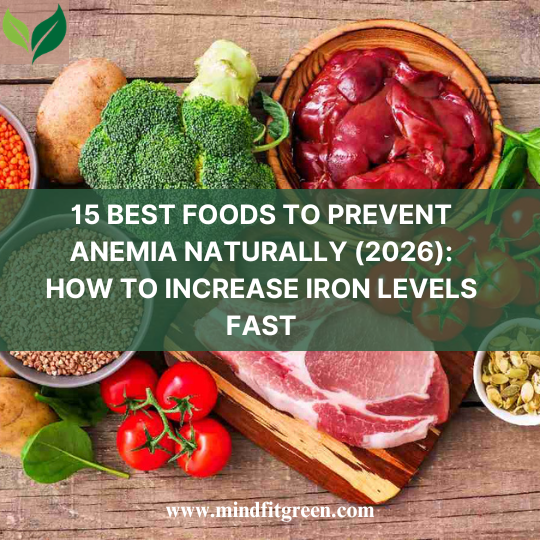
AdminThe best foods to prevent anemia naturally include lean beef, spinach, lentils, beans, liver, oysters, pumpkin seeds, tofu, and other iron-rich foods that help increase iron levels and support healthy hemoglobin production. If you’re looking for natural ways to prevent iron deficiency anemia or wondering what to eat for low iron, choosing the right foods is one of the most effective places to start.
Iron deficiency anemia affects millions of people worldwide and is one of the leading causes of persistent fatigue, weakness, dizziness, pale skin, headaches, and poor concentration. It develops when your body doesn’t have enough iron to produce healthy red blood cells, reducing the amount of oxygen delivered to your tissues and organs. The good news is that many cases can be prevented or improved through a balanced diet rich in iron and nutrients that enhance iron absorption.
In this comprehensive guide, you’ll discover the 15 best foods to prevent anemia naturally, learn how to increase iron levels fast, understand which foods improve or block iron absorption, and explore practical dietary tips to boost your hemoglobin levels and support long-term health. Whether you’re managing iron deficiency, looking for the best diet for anemia, or simply want to maintain healthy iron levels, this guide has everything you need.
What Is Anemia?
Anemia is a condition in which your body does not have enough healthy red blood cells or hemoglobin to carry oxygen efficiently throughout the body. Hemoglobin is a protein found in red blood cells that contains iron. Without enough iron, your body cannot produce adequate hemoglobin, leading to iron deficiency anemia.
Although there are different types of anemia, iron deficiency anemia is the most common. It often develops gradually, making it easy to overlook the early symptoms until they begin to affect your daily life.
Common Symptoms of Iron Deficiency Anemia
Recognizing the signs early can help you take action before the condition worsens.
Common symptoms include:
- Constant fatigue
- Weakness
- Pale skin
- Dizziness
- Frequent headaches
- Cold hands and feet
- Rapid heartbeat
- Shortness of breath
- Hair thinning or excessive hair loss
- Brittle nails
- Difficulty concentrating
- Reduced physical performance
If these symptoms persist, consult a healthcare professional for proper diagnosis and treatment.
What Causes Iron Deficiency?
Several factors can contribute to low iron levels, including:
- Eating too few iron-rich foods
- Heavy menstrual bleeding
- Pregnancy
- Frequent blood donation
- Digestive disorders that reduce iron absorption
- Stomach ulcers or internal bleeding
- Increased iron needs during childhood and adolescence
Understanding the cause is just as important as improving your diet.
Why Food Is the Best First Step
Your body absorbs iron from food every day. Choosing iron-rich foods consistently helps replenish iron stores while providing other nutrients such as protein, vitamin B12, folate, copper, and vitamin C that support healthy blood production.
Iron comes in two forms:
Heme Iron
Found in animal foods such as meat, poultry, and seafood. Your body absorbs this form more efficiently.
Non-Heme Iron
Found in plant foods such as beans, spinach, nuts, and whole grains. Although absorption is lower, pairing these foods with vitamin C-rich fruits and vegetables significantly improves iron uptake.
15 Best Foods to Prevent Anemia Naturally
1. Lean Beef
Lean beef is one of the richest natural sources of heme iron, making it one of the best foods for increasing iron levels quickly.
Besides iron, lean beef provides high-quality protein, zinc, and vitamin B12, all of which support healthy red blood cell production.
Best ways to eat it:
- Grilled beef
- Beef stew
- Stir-fried lean beef with vegetables
2. Chicken Liver
Chicken liver contains an impressive amount of iron in a small serving. It also supplies vitamin A, folate, and vitamin B12.
Because it is nutrient-dense, eating liver once or twice a month can significantly increase your iron intake.
People who are pregnant should seek medical advice before eating large amounts of liver because of its high vitamin A content.
3. Spinach
Spinach is among the most popular vegetables recommended for people with low iron.
Although it contains non-heme iron, spinach is also rich in antioxidants, folate, and vitamin C when combined with foods like tomatoes or bell peppers.
Tip: Add lemon juice to spinach salads to improve iron absorption naturally.
4. Lentils
Lentils are one of the healthiest plant-based sources of iron.
They’re also packed with:
- Protein
- Fiber
- Folate
- Magnesium
- Potassium
Lentils make an excellent addition to soups, curries, salads, and stews.
5. Beans
Kidney beans, black beans, white beans, and chickpeas provide a healthy dose of iron while supporting digestive health.
Beans are especially beneficial for vegetarians and vegans who rely on plant-based iron sources.
To improve iron absorption, serve beans with tomatoes, citrus fruits, or fresh peppers.
6. Oysters and Shellfish
Oysters, mussels, and clams contain some of the highest levels of heme iron found in seafood.
They also provide:
- Vitamin B12
- Zinc
- Copper
- Protein
These nutrients work together to support healthy blood production and immune function.
7. Sardines
Sardines are an affordable source of iron, healthy fats, calcium, and vitamin D.
Because they contain soft edible bones, sardines also support bone health while contributing to your daily iron intake.
Enjoy them on whole-grain toast, in salads, or with brown rice.
8. Eggs
Eggs are a nutritious addition to an iron-rich diet.
Although they contain moderate amounts of iron compared to meat, they provide high-quality protein, vitamin B12, and several nutrients that support overall health.
Pair boiled eggs with vitamin C-rich fruits such as oranges or strawberries for a balanced breakfast.
9. Pumpkin Seeds
Pumpkin seeds are a nutrient-dense snack that can help increase your daily iron intake. They are especially beneficial for vegetarians and vegans because they provide plant-based iron along with other essential minerals.
In addition to iron, pumpkin seeds contain:
- Magnesium
- Zinc
- Healthy fats
- Protein
- Antioxidants
Enjoy a handful as a snack, sprinkle them over salads, or mix them into oatmeal and yogurt.
10. Tofu
Tofu is an excellent source of non-heme iron and a staple in many plant-based diets. It is also rich in protein and calcium, making it a nutritious alternative to meat.
For better iron absorption, pair tofu with vitamin C-rich vegetables such as broccoli, bell peppers, or tomatoes.
11. Fortified Breakfast Cereals
Many breakfast cereals are fortified with iron, making them one of the easiest ways to increase your daily iron intake.
When shopping, read the nutrition label and choose cereals that are:
- High in iron
- Low in added sugar
- High in fiber
- Made with whole grains
Serving fortified cereal with orange juice instead of coffee can help your body absorb more iron.
12. Quinoa
Quinoa is often called a superfood because it contains protein, fiber, and important minerals, including iron.
Unlike many grains, quinoa is a complete protein, meaning it provides all nine essential amino acids.
Use quinoa as a substitute for rice or add it to salads, soups, and grain bowls.
13. Dark Chocolate
If you enjoy chocolate, you’ll be pleased to know that dark chocolate contains iron and beneficial antioxidants.
Choose dark chocolate with at least 70% cocoa for the greatest nutritional value. While it should be enjoyed in moderation, it can be a healthier dessert option for people looking to increase their iron intake.
14. Dried Fruits
Dried fruits are convenient, naturally sweet, and contain small but useful amounts of iron.
Some of the best choices include:
- Raisins
- Dried apricots
- Prunes
- Dates
They also provide fiber and potassium, making them a nutritious snack when eaten in moderation.
15. Vitamin C-Rich Fruits
Although fruits like oranges and strawberries are not significant sources of iron, they play a vital role in preventing anemia because they help your body absorb non-heme iron from plant foods.
The best vitamin C-rich fruits include:
- Oranges
- Guava
- Kiwi
- Strawberries
- Pineapple
- Papaya
- Grapefruit
Pair these fruits with iron-rich meals to maximize iron absorption naturally.
How to Increase Iron Absorption Naturally
Eating iron-rich foods is only part of the solution. Your body must also absorb the iron efficiently. These simple strategies can make a noticeable difference.
Pair Iron with Vitamin C
Vitamin C significantly improves the absorption of non-heme iron.
Good combinations include:
- Spinach with lemon juice
- Lentils with tomatoes
- Beans with bell peppers
- Fortified cereal with orange juice
Cook with Cast Iron Cookware
Cooking acidic foods like tomato sauce in cast iron cookware can increase the iron content of your meals.
Include Both Animal and Plant Sources
Combining heme iron from meat with plant-based iron sources can improve your overall iron intake.
Foods and Drinks That Can Reduce Iron Absorption
Certain foods and beverages can interfere with your body’s ability to absorb iron if consumed at the same time as iron-rich meals.
These include:
- Tea
- Coffee
- Large amounts of dairy products
- Calcium supplements
- High-fiber bran cereals eaten without vitamin C
Instead of avoiding these foods completely, consume them at least one to two hours before or after your main meals.
Best Drinks for Anemia
Staying hydrated is important, but some drinks offer additional nutritional benefits.
Choose:
- Fresh orange juice
- Guava juice
- Tomato juice
- Smoothies made with spinach and berries
- Water infused with citrus fruits
Avoid drinking tea or coffee immediately after meals because they can reduce iron absorption.
One-Day Iron-Rich Meal Plan
Breakfast
Fortified whole-grain cereal with sliced strawberries and a glass of fresh orange juice.
Mid-Morning Snack
A handful of pumpkin seeds and one kiwi.
Lunch
Grilled lean beef served with quinoa and a spinach salad topped with tomatoes and lemon dressing.
Afternoon Snack
Dried apricots with a handful of almonds.
Dinner
Lentil stew served with brown rice and steamed broccoli.
Dessert
A small portion of dark chocolate with fresh strawberries.
Who Is Most at Risk of Iron Deficiency?
Anyone can develop anemia, but certain groups have a higher risk.
These include:
- Women with heavy menstrual periods
- Pregnant women
- Infants and young children
- Teenagers during growth spurts
- Older adults
- Vegetarians and vegans
- Frequent blood donors
- People with digestive disorders such as celiac disease or Crohn’s disease
If you fall into one of these groups, paying close attention to your iron intake is especially important.
Frequently Asked Questions
What food is highest in iron?
Organ meats such as liver contain the highest amount of iron. Other excellent sources include lean beef, oysters, clams, mussels, spinach, lentils, beans, and fortified breakfast cereals.
Which fruit is best for anemia?
Guava, oranges, kiwi, strawberries, pineapple, and papaya are among the best fruits because they are rich in vitamin C, which helps your body absorb iron more effectively.
Can anemia be reversed naturally?
Mild iron deficiency caused by poor dietary intake can often improve with an iron-rich diet and healthy eating habits. However, severe anemia or anemia caused by underlying medical conditions requires proper diagnosis and treatment by a healthcare professional.
How long does it take to increase iron levels?
The timeline varies depending on the severity of the deficiency and the treatment plan. Many people begin to notice improved energy within a few weeks, but restoring iron stores may take several months.
What foods should I avoid if I have anemia?
Limit tea, coffee, excessive dairy products, and calcium supplements during iron-rich meals because they can reduce iron absorption. Instead, consume them between meals.
Conclusion
Preventing anemia naturally starts with making smart food choices every day. By eating a balanced diet rich in iron, pairing plant-based iron with vitamin C-rich foods, and limiting foods that interfere with iron absorption, you can support healthy red blood cell production and maintain optimal energy levels.
Remember that nutrition is only one part of the solution. If you experience ongoing fatigue, dizziness, pale skin, or other symptoms of anemia, seek medical advice for proper testing and treatment. Early diagnosis can help prevent complications and ensure you receive the care you need.
Adding these 15 iron-rich foods to your weekly meal plan is a simple yet effective step toward improving your overall health, boosting your hemoglobin levels, and reducing your risk of iron deficiency anemia naturally.

 Admin
Admin